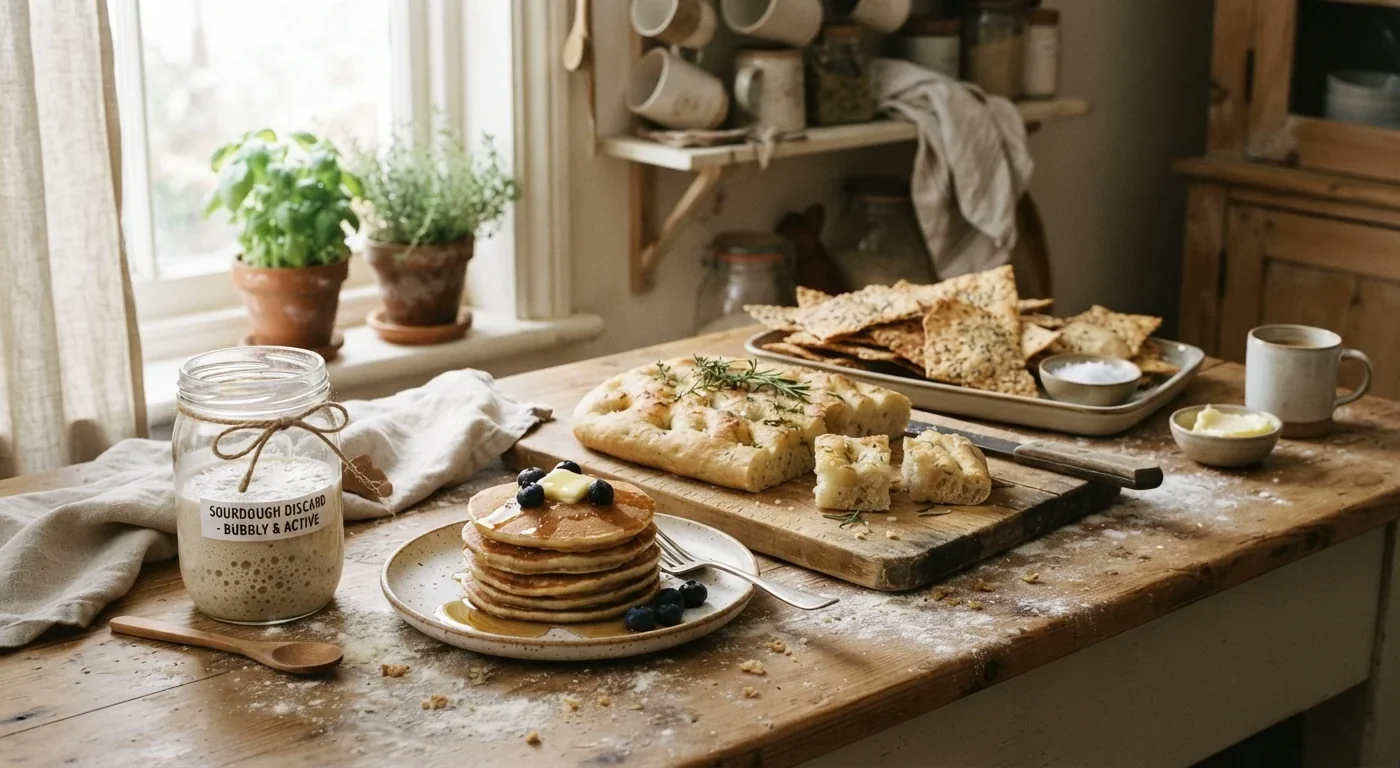

If you’ve been feeding a sourdough starter for more than a few weeks, you already know the guilt of scraping discard into the trash every single time. These 20 sourdough discard recipes exist specifically to solve that problem, turning what would otherwise be wasted starter into pancakes, crackers, focaccia, and more, all built around ingredients you likely already have in the kitchen. This isn’t a list of vague suggestions either. Each recipe here is something I’ve actually made in my own kitchen, using discard straight from the fridge, so you know exactly what to expect before you start mixing anything together this week.
Start Here: Discard Pancakes
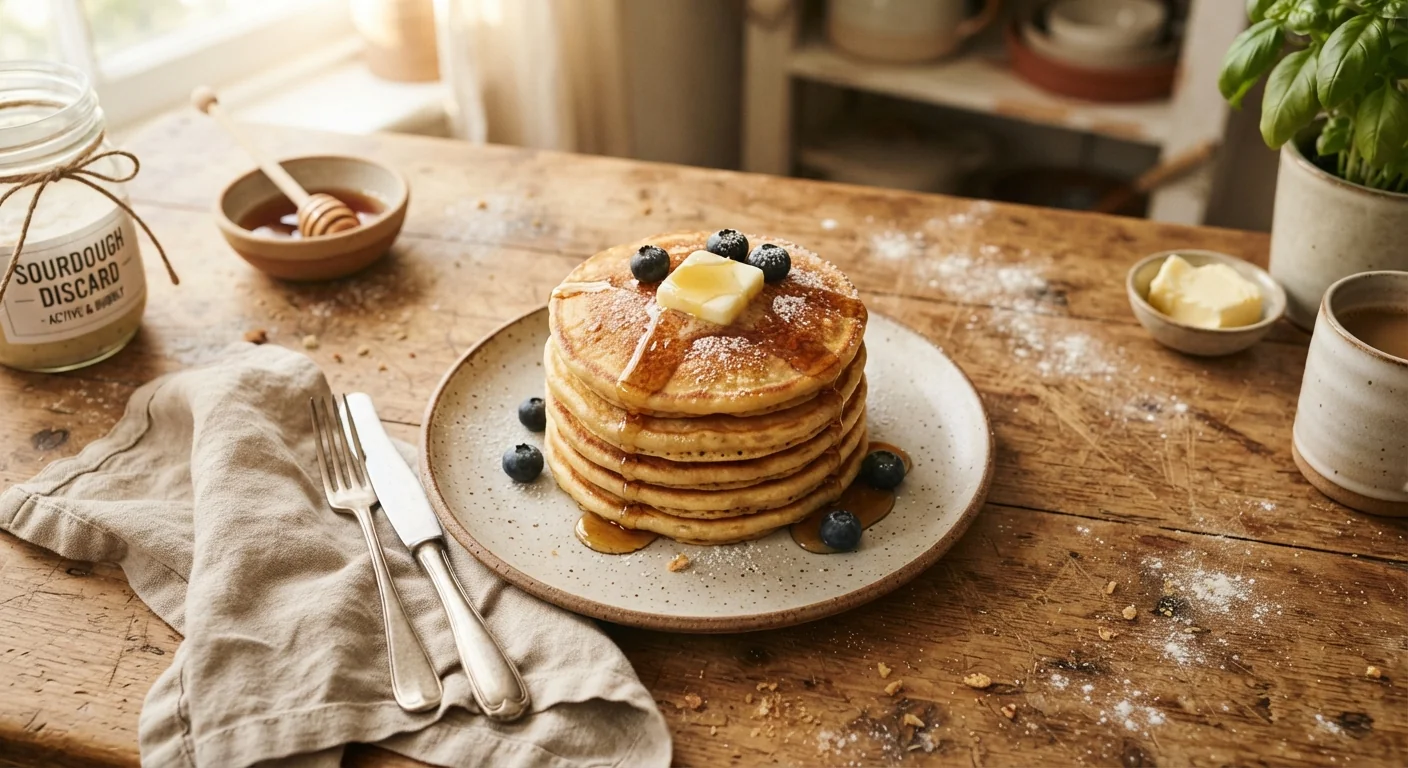
This is genuinely the easiest recipe on the whole list, needs no extra rise time, and it’s the one I hand beginners first because it never fails.
Discard Pancakes
This is my go-to recipe whenever the discard jar starts looking full, mostly because it comes together so fast on a busy morning when nobody wants to wait around for breakfast. You just whisk the discard right into your regular pancake batter, no extra fermentation time needed, and the tang from the starter gives the pancakes a flavor that a plain buttermilk version just doesn’t have. My kids didn’t even notice anything different the first time I made these, they just asked for seconds, which is honestly the only review that actually matters in my house on a weekday morning before school.
The batter also holds up surprisingly well in the fridge for a day or two, so if you’re meal prepping breakfasts for the week, this is a genuinely easy one to knock out in bulk on a Sunday afternoon. I like adding a handful of blueberries or a swirl of cinnamon into the batter right before cooking, since the discard’s mild tang pairs well with almost any mix-in you’d normally reach for. If you’re brand new to using discard, start here, since it’s the recipe least likely to go wrong, and it builds confidence fast for everything else on this list.
- Discard pancakes come together in one bowl with no separate rise time needed at all.
- The tangy flavor from the starter adds real depth compared to a plain box mix.
- Leftover batter keeps well in the fridge for a quick breakfast the next morning too.
- This is genuinely the easiest recipe on this entire list to start with.
Discard Crackers
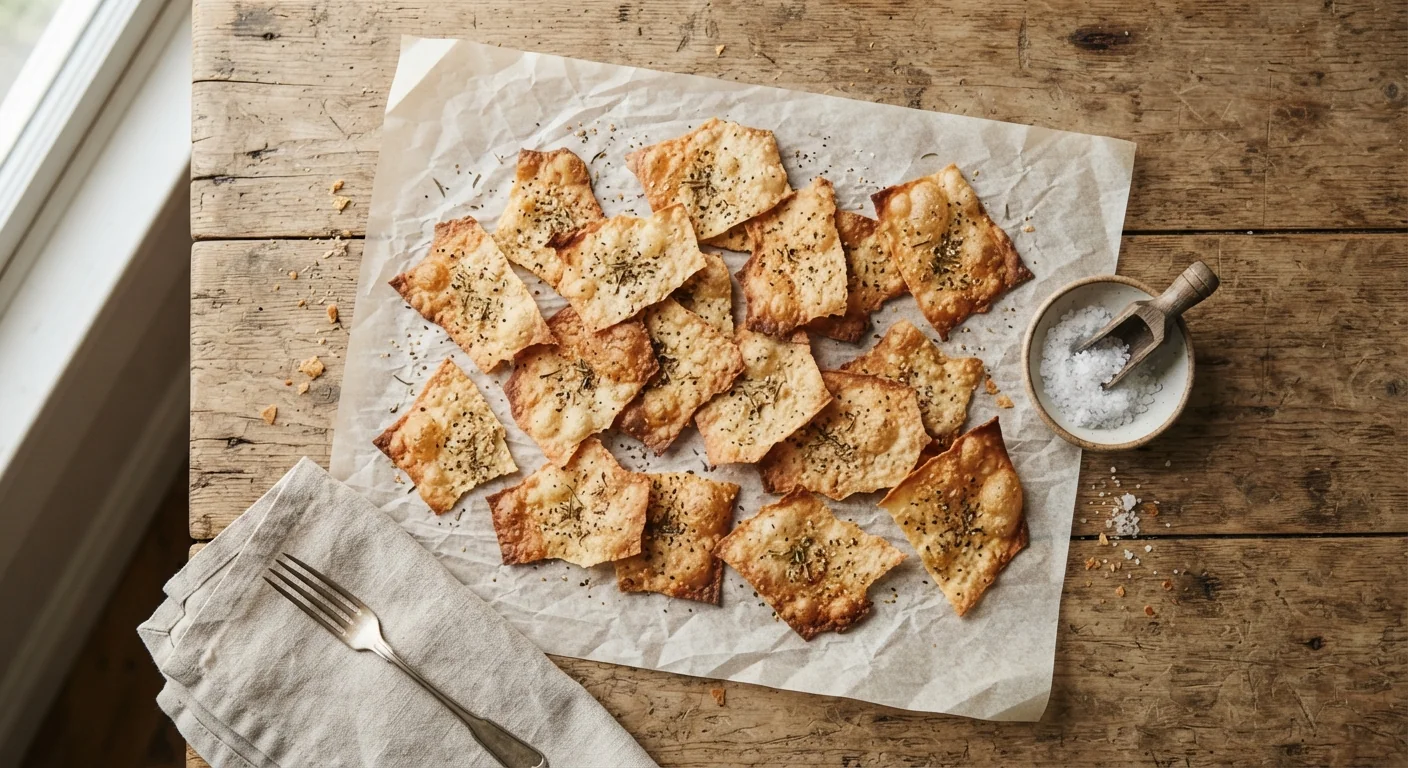
- Rolling the dough thin is the single most important step for getting a proper crunch.
- A sprinkle of flaky salt right before baking makes a noticeable difference in flavor.
- These keep in an airtight container for well over a week without going stale.
Crackers were honestly the recipe that convinced me discard was worth saving in the first place, since store-bought crackers add up fast and these cost basically nothing beyond flour, oil, and salt you probably already have sitting in the pantry. The dough comes together quickly, and rolling it thin, thinner than feels right at first, is really the whole secret to getting that satisfying snap when you bite into one instead of something soft and chewy in the middle. A pizza cutter makes portioning the dough into even squares before baking much easier than trying to cut it with a knife.
I add everything bagel seasoning to mine most of the time now, since it turns a simple snack into something that disappears within a day around here, especially once my husband finds the container in the pantry. These also freeze well before baking if you want to portion out dough ahead of time and bake a fresh batch whenever the craving hits, which happens more often than I’d like to admit some weeks. Once you make these once, buying crackers at the store starts to feel like a genuinely unnecessary expense for something this simple to make at home.
Discard Pizza Dough
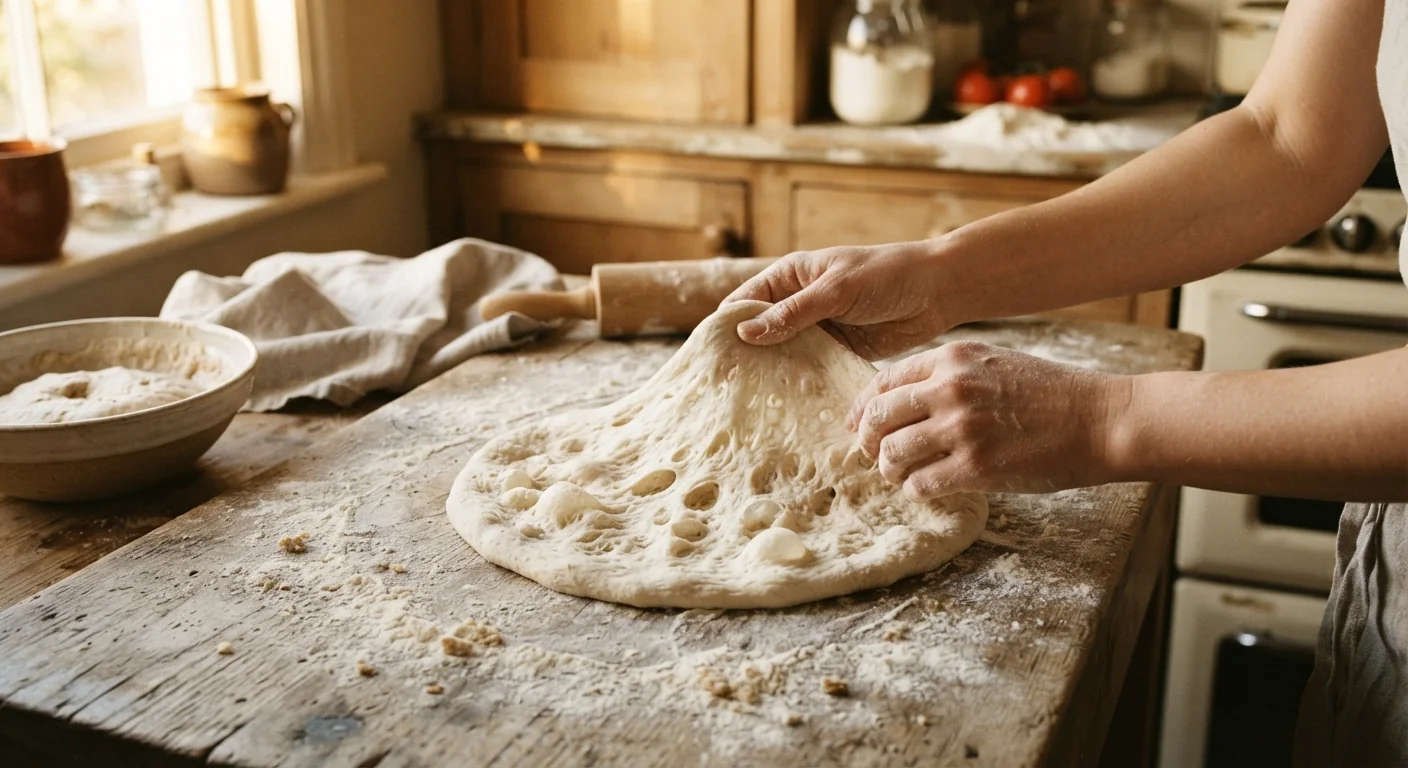
Friday night pizza has become a whole tradition in my house since I started making the dough with discard instead of tossing it, and honestly the crust turns out better than most of the regular dough recipes I used to use before switching over entirely. The starter adds a subtle sourdough flavor to the crust without needing an actual long fermentation process, which makes it a realistic weeknight option rather than something you have to plan two days ahead for like a true sourdough pizza crust would genuinely require from start to finish.
I usually let the dough rest for about thirty minutes after mixing, just enough time to relax the gluten so it stretches easily instead of springing back on you every time you try to shape it into a circle. It works for both a thin, crispy crust and a slightly thicker pan-style pizza, depending on how thin you roll it out before topping it with whatever’s in the fridge. Making a double batch and freezing half means there’s always dough ready to go on a night when cooking feels like too much effort but everyone still wants pizza.
- Discard adds a subtle tang to the crust that plain pizza dough doesn’t have.
- A short rest time is still needed for the dough to relax before stretching.
- This dough works well for both thin-crust and slightly thicker pan pizza styles.
- Leftover dough freezes well, making it easy to pull out for a quick weeknight pizza.
Discard Banana Bread
- Overripe bananas and discard work together to keep this loaf especially moist.
- The tang from the starter balances out the sweetness in a way plain banana bread doesn’t.
- This freezes well sliced, making it easy to grab a piece straight from the freezer.
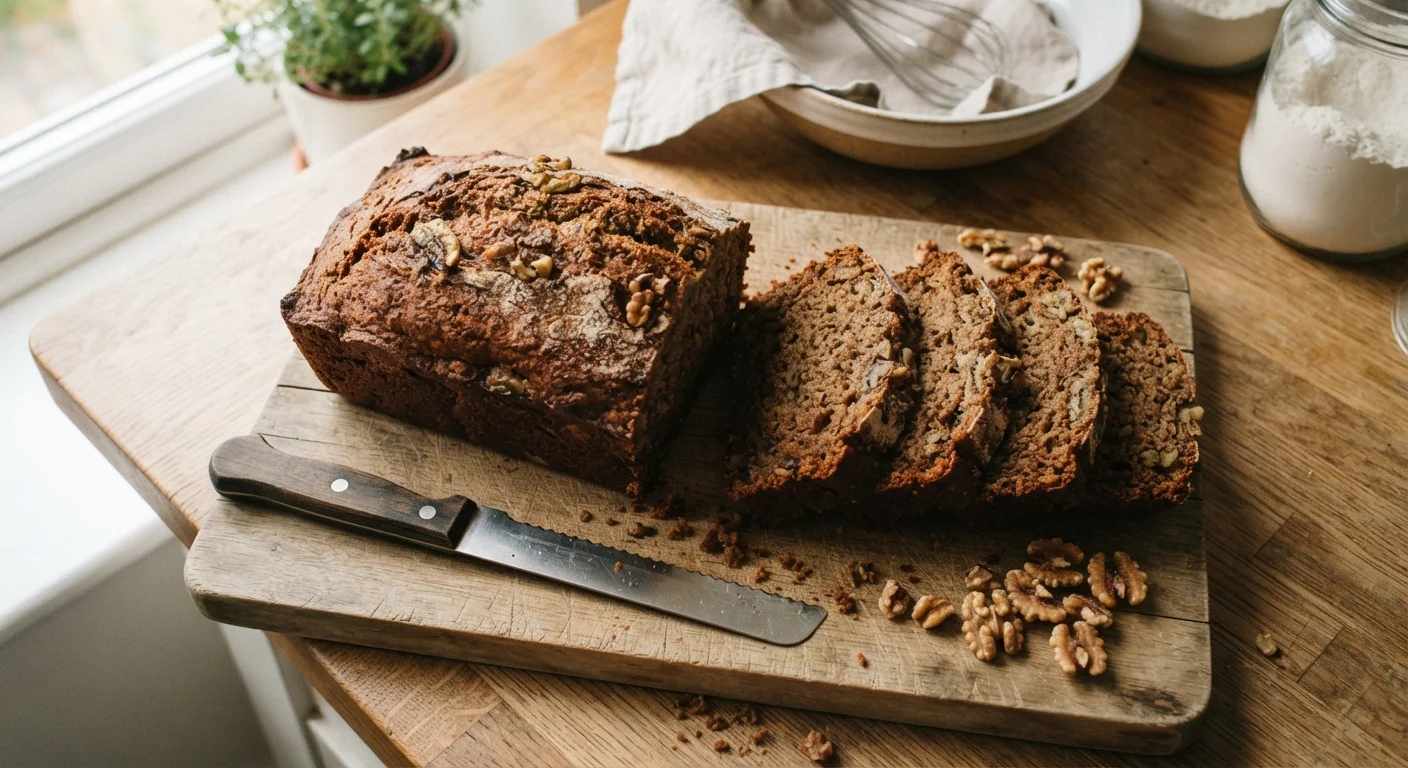
Banana bread was already a regular thing in my kitchen before I started adding discard to it, but once I made the swap, I genuinely can’t go back to the plain version anymore, even on the days I’m tempted to skip a step. The discard adds moisture on top of what the bananas already bring, so the loaf comes out even more tender, and the slight tang cuts through the sweetness in a way that makes the whole thing taste a little more balanced instead of just sugary from start to finish.
This is also a great way to use up discard alongside those bananas that have gone a little too spotty to eat on their own, so you’re solving two kitchen waste problems with one loaf baked in under an hour. I slice the whole thing once it cools and freeze individual pieces, so there’s always a slice ready for a quick breakfast or an after-school snack without needing to bake something fresh every single time this happens. It reheats well in the toaster too if you like it warm, with a little butter melted on top.
Discard Muffins
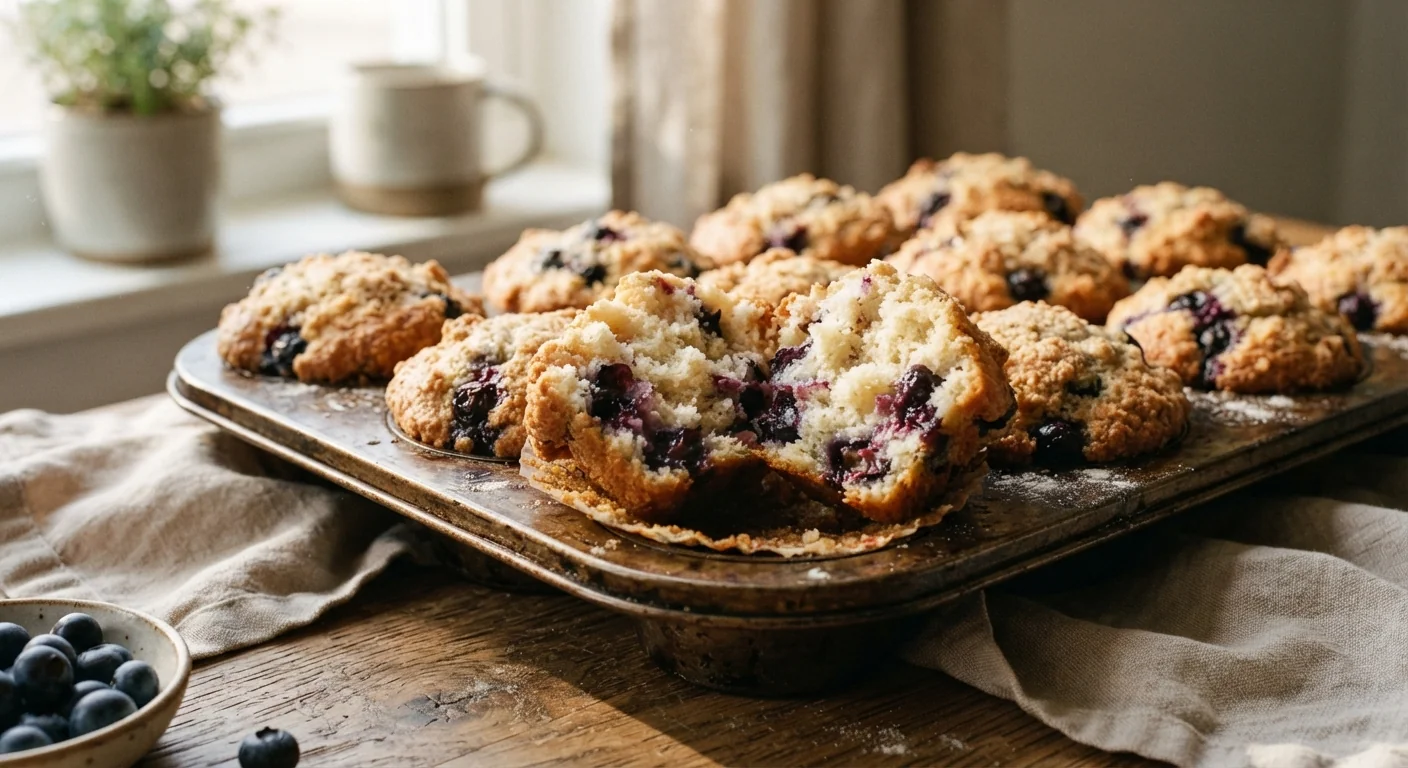
Muffins are one of those recipes where discard just quietly makes everything better without changing the basic process much at all, which is exactly why they became a regular thing in my weekly baking rotation over the past year or so. The batter comes together in one bowl, no mixer needed, and the discard adds a soft, tender crumb alongside a barely-there tang that works with almost any mix-in, blueberries, chocolate chips, or even just a sprinkle of cinnamon sugar on top before baking them until golden.
These freeze beautifully once fully cooled, which makes them a genuinely reliable grab-and-go breakfast option for busy mornings when there’s no time to sit down and eat something properly before heading out the door. I usually make a double batch specifically so half can go straight into the freezer for later, wrapped individually so they’re easy to grab one at a time. Letting kids help scoop the batter into the tin is also a good way to get them involved in the kitchen without much risk of anything going wrong along the way for either of you.
Discard Pretzels
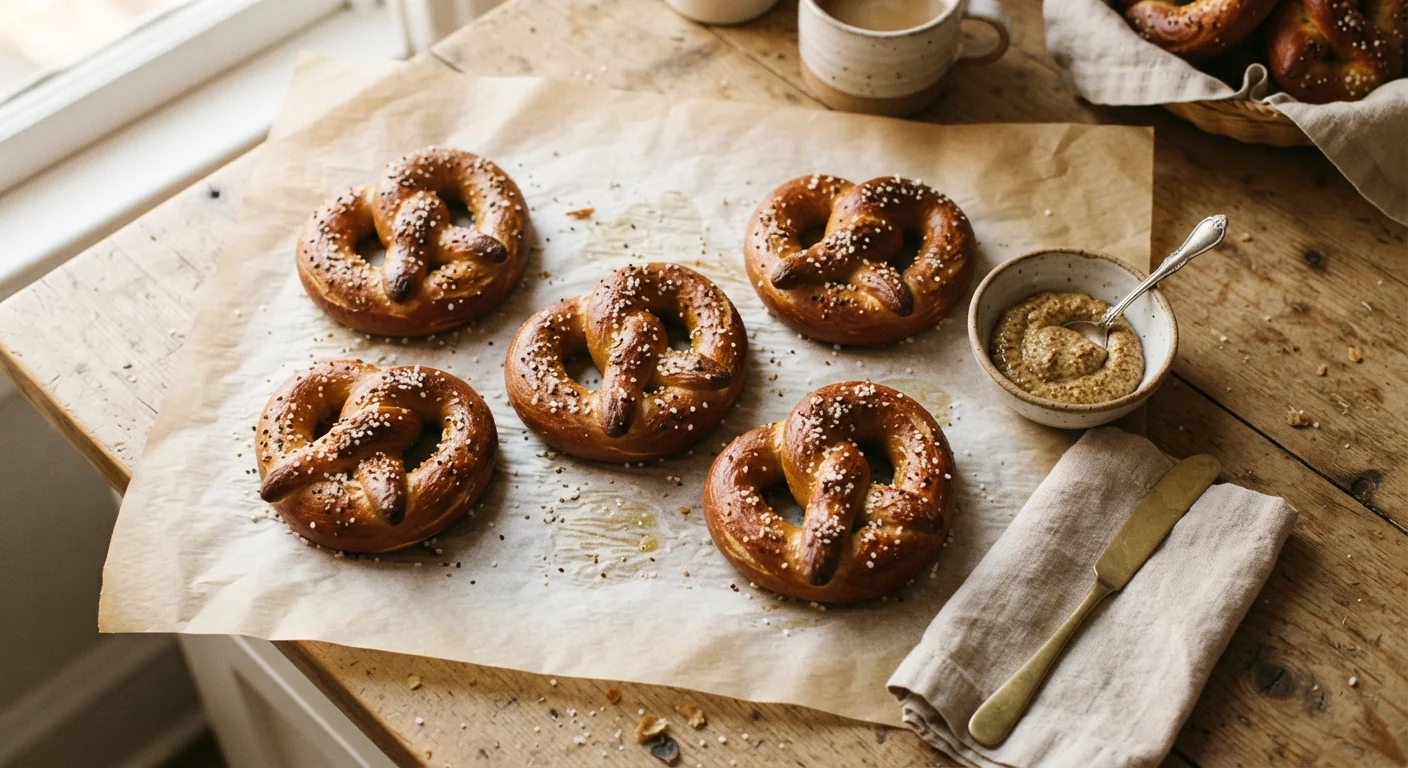
Soft pretzels felt intimidating before I actually tried making them with discard, but they turned out to be far more forgiving than I expected, and now they’re a regular weekend project in my kitchen whenever the discard jar starts piling up. The discard adds flavor to the dough while the classic baking soda bath right before baking gives them that proper chewy, slightly shiny exterior that makes a soft pretzel actually taste like one instead of just a shaped piece of bread pulled straight from the oven.
Twisting the dough into shape is honestly the most fun part, and it’s a good activity to do with kids since a slightly wonky pretzel shape still tastes exactly the same as a perfect one once it’s baked and salted. Sprinkling coarse salt on immediately after the baking soda dip, while the surface is still wet, helps it actually stick instead of falling off once they’re baked and cooling on the rack. Fresh out of the oven with a little mustard on the side is genuinely hard to beat on a lazy weekend afternoon.
- A quick baking soda bath before baking gives these pretzels their classic chewy exterior.
- Coarse salt sprinkled on top right after the bath sticks better than adding it later.
- These are best eaten the same day, though a quick oven reheat brings them back nicely.
Discard Biscuits
- Cold butter cut into the dough is what actually creates those flaky, distinct layers.
- Discard adds tang without making the biscuits dense the way you might expect.
- A light touch when mixing the dough keeps the final texture soft rather than tough.
Biscuits made with discard have become the thing I make on lazy weekend mornings when there’s finally time to actually sit down and enjoy breakfast instead of rushing through it before everyone scatters for the day. The discard adds a subtle tang that pairs perfectly with a smear of butter and jam, and despite adding extra liquid to the dough, the biscuits still come out properly flaky as long as the butter stays cold going into the oven, which is really the key step for good biscuits regardless of the specific recipe you’re following.
I’ve learned not to overwork the dough, since the more you handle it, the tougher the final biscuits turn out, so a light touch really does matter here more than it seems like it should when you’re mixing everything together by hand. These freeze well unbaked too, so I often portion out a batch and freeze them on a tray before transferring to a bag, meaning fresh biscuits are just an extra few minutes away in the oven whenever the craving hits on a random weekday morning with no advance planning at all.

Discard Chocolate Cake
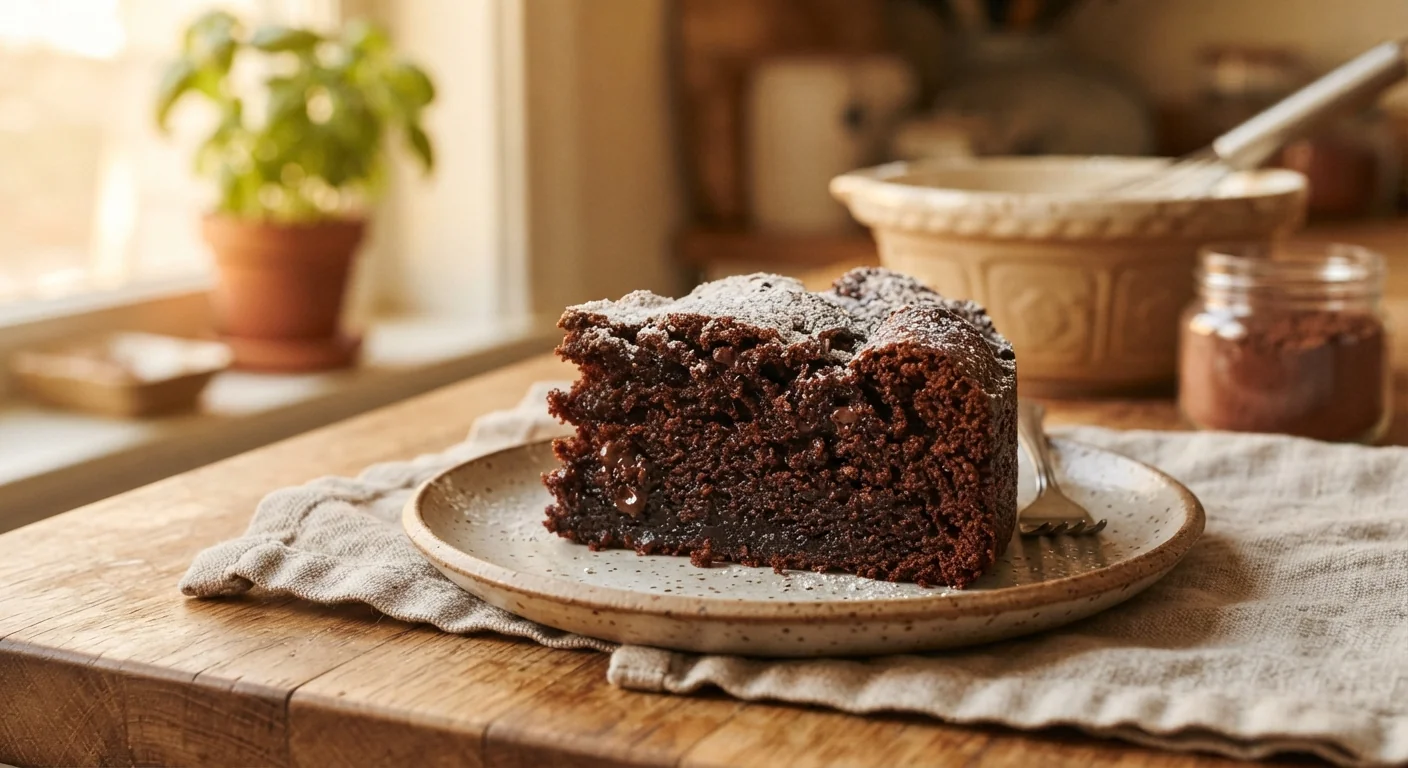
This chocolate cake genuinely surprised me the first time I made it, since I expected the discard to be barely noticeable and instead it made the whole cake noticeably more moist than my usual recipe, without adding any tang you’d actually detect once the chocolate flavor takes over completely. It’s become my go-to for birthdays now, partly because it’s genuinely a better cake, and partly because it feels good using up discard for something that ends up being the centerpiece of the whole celebration instead of an afterthought.
The batter comes together in one bowl, which matters a lot on a day when there’s already too much else going on to manage a multi-step baking process on top of everything else for the party. A simple chocolate ganache poured over the top dresses it up enough for a special occasion without requiring any actual frosting skills or a piping bag anywhere in sight. This is one of those recipes where nobody at the table would ever guess there’s sourdough discard involved unless you told them yourself first, which is honestly half the fun of serving it.
Discard Focaccia
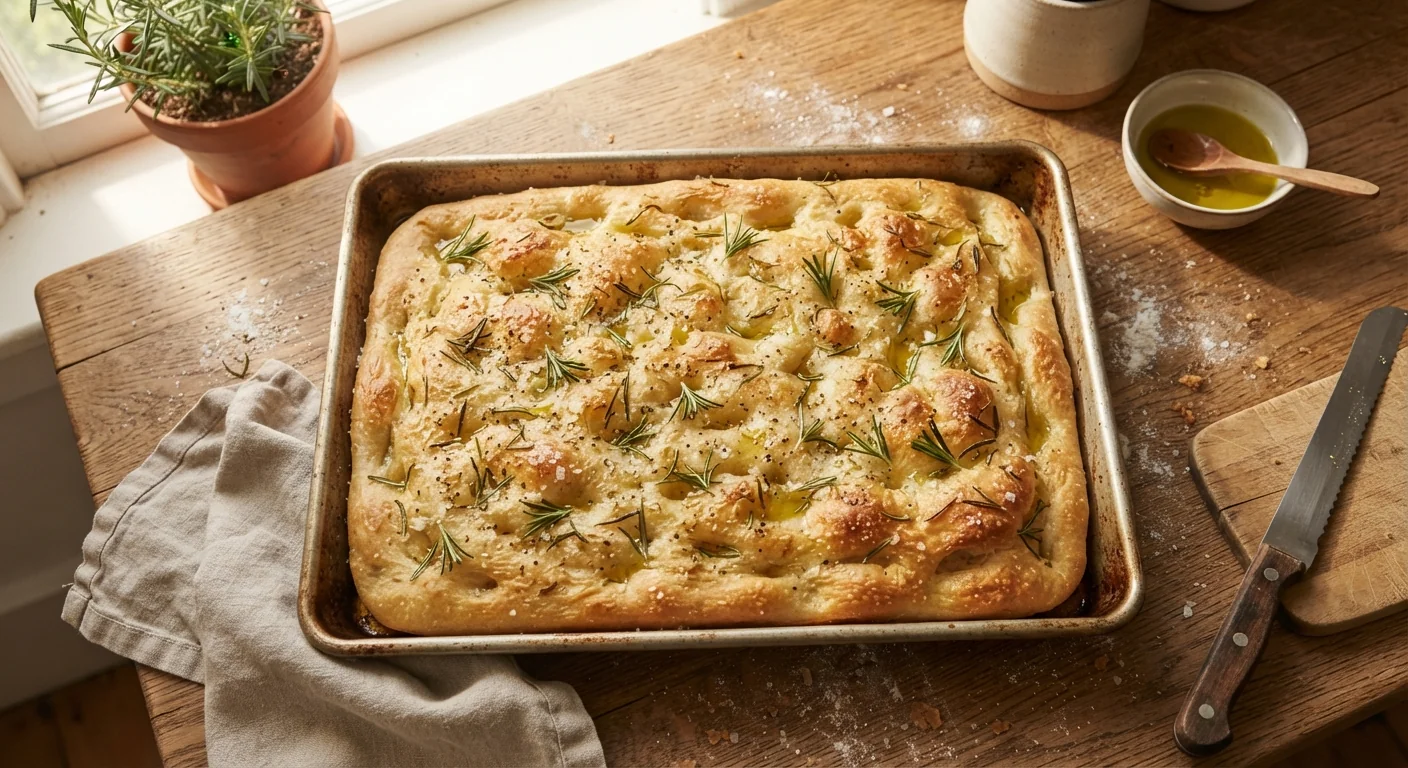
Focaccia was the recipe that made me feel like a real bread baker for the first time, even though it’s genuinely one of the more forgiving breads out there once you know the basic steps involved in shaping and dimpling it correctly. The discard adds flavor and helps the dough develop a nice open crumb, while a generously oiled pan gives the bottom that crispy, almost fried texture that makes focaccia so satisfying to eat on its own, no butter or dip needed at all if you don’t want it that way.
Dimpling the risen dough with oiled fingers right before baking isn’t just for looks, those little pockets fill with olive oil and create bursts of flavor throughout the finished bread with every single bite you take. I top mine with fresh rosemary and flaky salt most of the time, though cherry tomatoes pressed into the dough before baking make a beautiful variation too when they’re in season. This has become the bread I bring to gatherings now, since it always disappears fast and people always ask for the recipe afterward, every single time.
- Generously oiling the pan before baking gives focaccia its signature crispy bottom crust.
- Dimpling the dough with your fingers before baking creates those classic pockets for olive oil.
- Fresh rosemary and flaky salt on top turn a simple bread into something special.
- This bread is genuinely more forgiving than it looks, even for a first attempt.
- Leftover focaccia makes excellent sandwich bread the next day, sliced horizontally.
Discard Tortillas
- Rolling the dough thin and evenly is the key to soft, pliable tortillas.
- A hot, dry skillet is all you need, no oil required for cooking these.
- Homemade tortillas taste noticeably fresher than most store-bought packaged options.
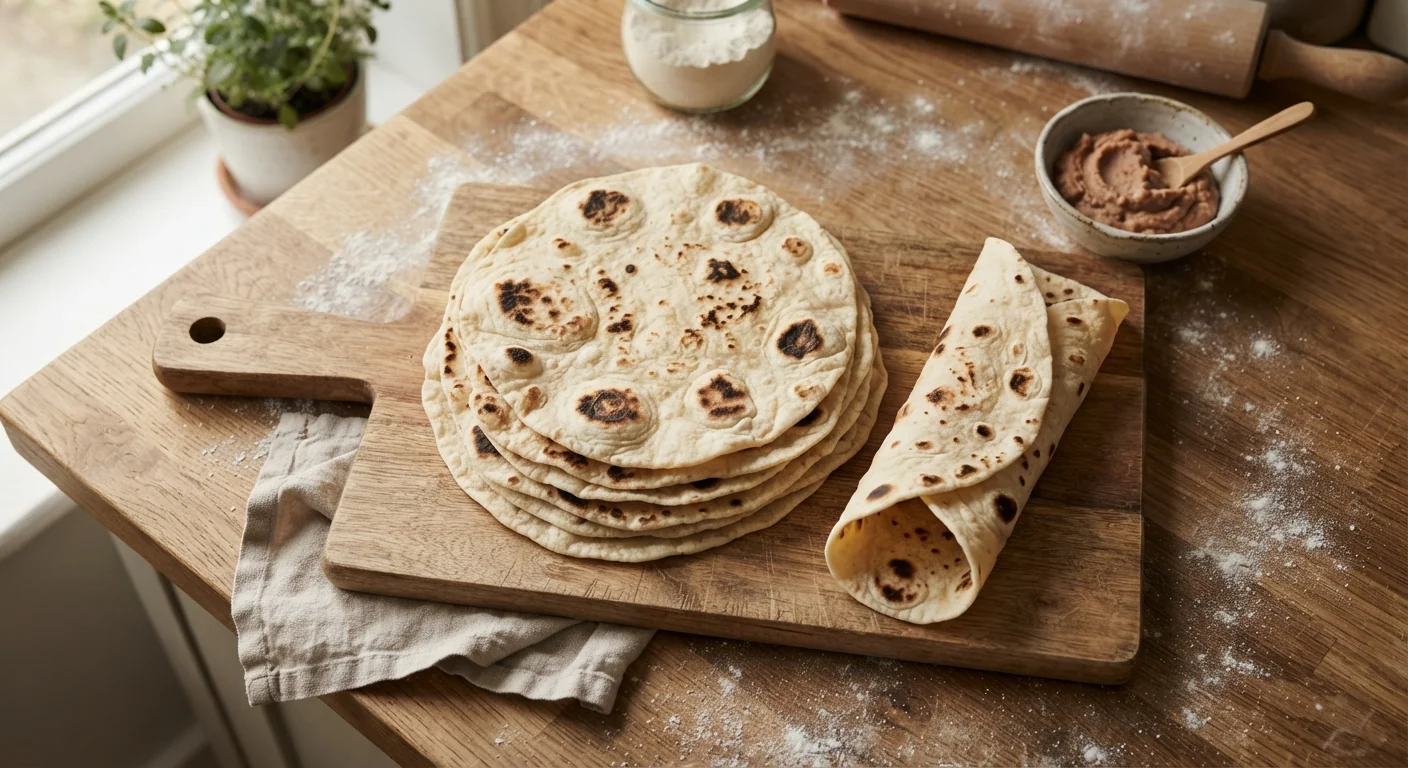
Once I started making tortillas with discard, buying the packaged kind started feeling pointless, since these taste so much fresher and the discard adds a flavor depth that plain flour tortillas just don’t have no matter which brand you pick up at the store. The dough itself is simple, discard, flour, a little fat, and salt, and rolling it thin and even is really the only technique that takes a bit of practice to get consistently right across a whole batch of a dozen or more.
A hot, dry skillet is all you need for cooking these, no oil required, just a minute or so per side until you see those characteristic brown spots forming across the surface of each one. I make a big batch on taco night and keep the extras wrapped in a clean towel to stay soft and warm at the table while everyone builds their own plate. Once you taste a fresh, slightly puffy homemade tortilla straight off the skillet, the store-bought version genuinely stops comparing at all, and there’s really no going back after that.
Discard Naan
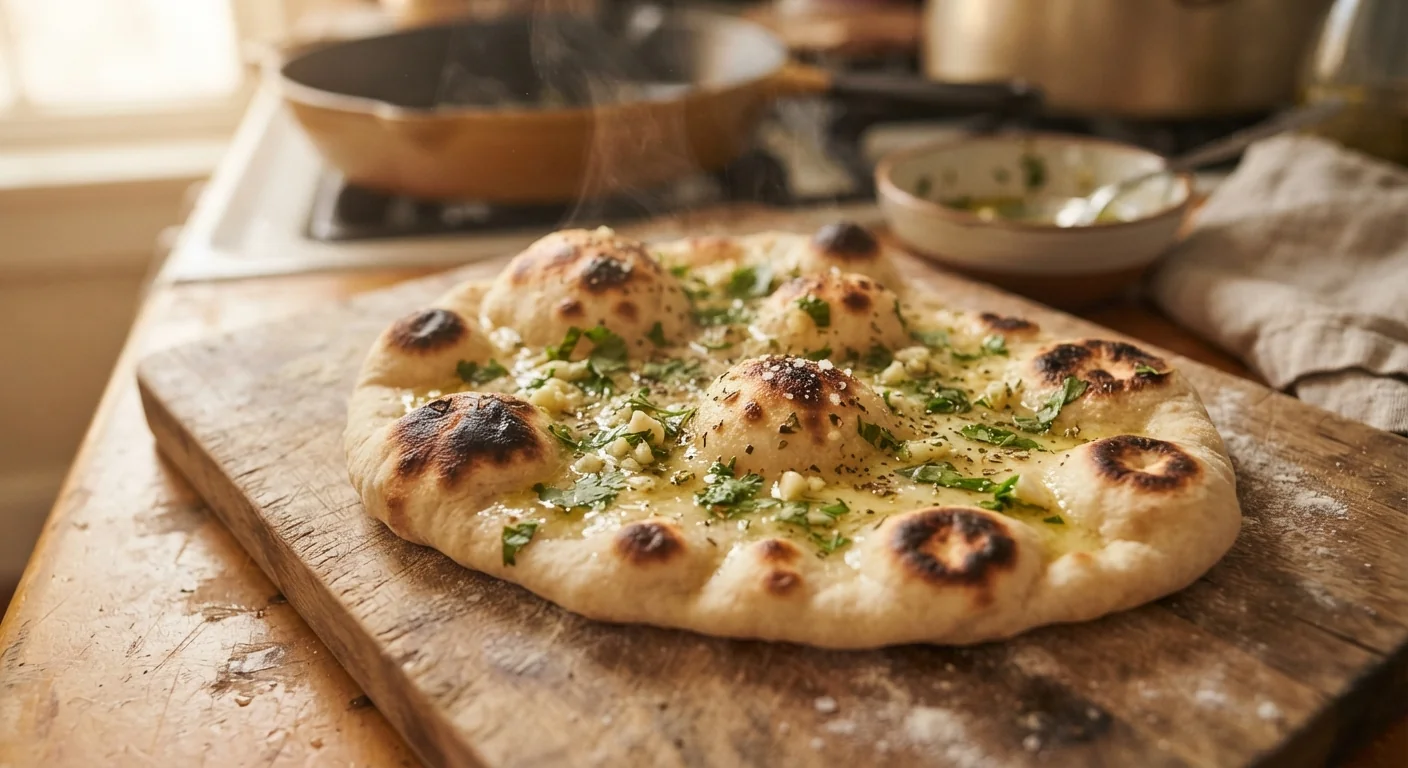
Naan made with discard has genuinely become one of my favorite ways to use it up, since the fermented tang in the starter actually gets you closer to that authentic naan flavor than a plain yeasted dough typically does without any special ingredients involved. The dough needs a bit of rest time to relax before rolling, but the actual cooking happens fast in a hot skillet, just a minute or two per side until it puffs up and gets those characteristic dark blistered spots across the surface of the bread.
Brushing it with melted butter and a little crushed garlic the moment it comes off the pan is non-negotiable in my house at this point, since that’s genuinely half of what makes naan so good in the first place, no matter how well the dough itself turns out. This pairs perfectly with any curry or dal, and honestly it’s good enough on its own that I’ve caught my kids eating it plain as a snack more than once. Making a double batch and freezing extras means good naan is always just a quick reheat away on a busy night.
Discard Bagels
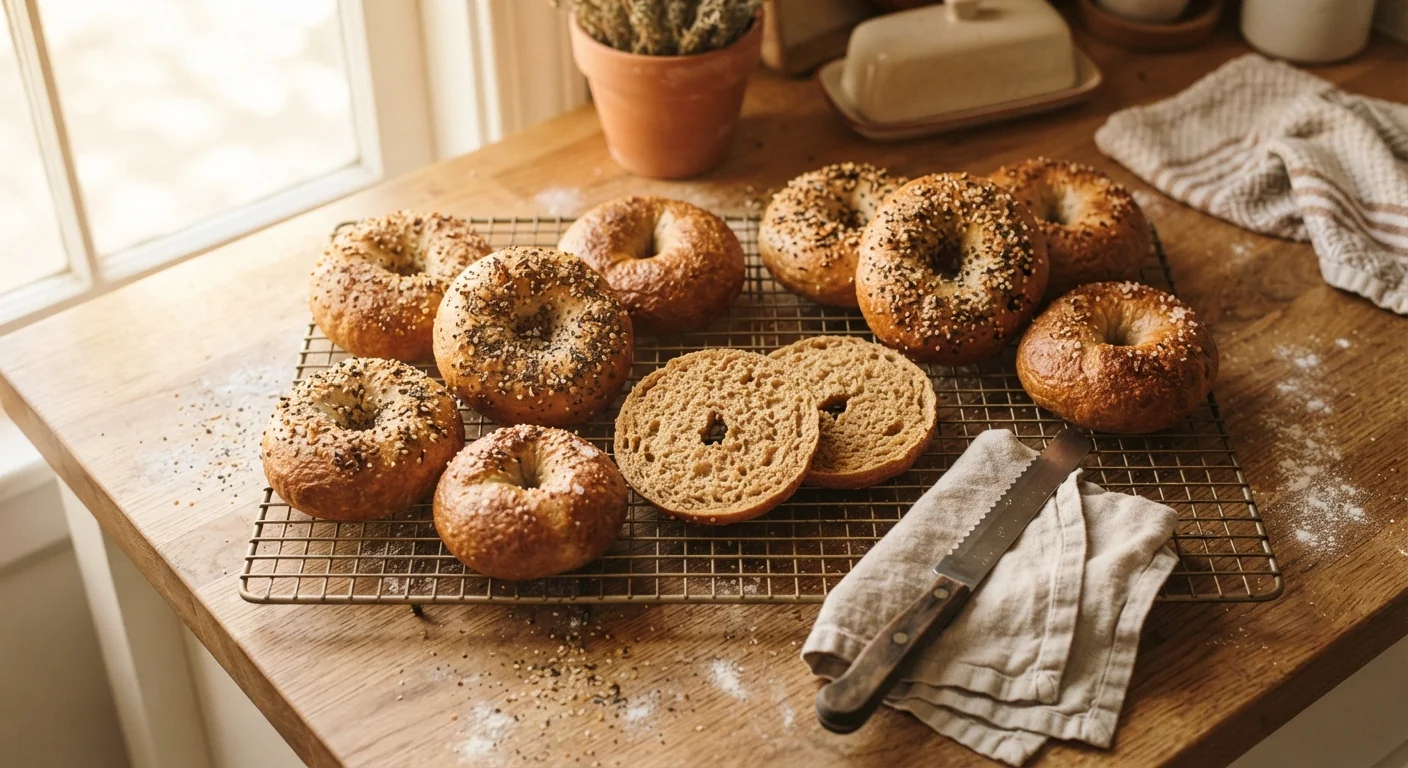
Bagels felt like an ambitious weekend project the first time I tried them, but discard made the dough forgiving enough that I actually pulled it off on the first attempt, which felt like a genuine kitchen win worth bragging about to anyone who’d listen. The classic boiling step before baking is what gives bagels their signature chewy crust, and it’s not a step worth skipping even though it feels like an extra hassle when you just want to get them into the oven already and move on with your morning.
I add a spoonful of honey to the boiling water, which deepens the color of the crust and adds just a hint of sweetness that works well with an everything seasoning topping sprinkled on right after the bath while they’re still wet. Shaping the dough into rings takes a little practice, and mine were genuinely lopsided the first few times, but a slightly uneven bagel still tastes exactly as good as a perfectly round one once it’s toasted and covered in cream cheese the next morning at breakfast.
- A boiling water bath before baking gives these bagels their proper chewy crust.
- Adding a spoonful of honey or malt syrup to the boiling water deepens the color.
- Shaping bagels takes a bit of practice, but a slightly uneven one still tastes great.
Discard Brownies
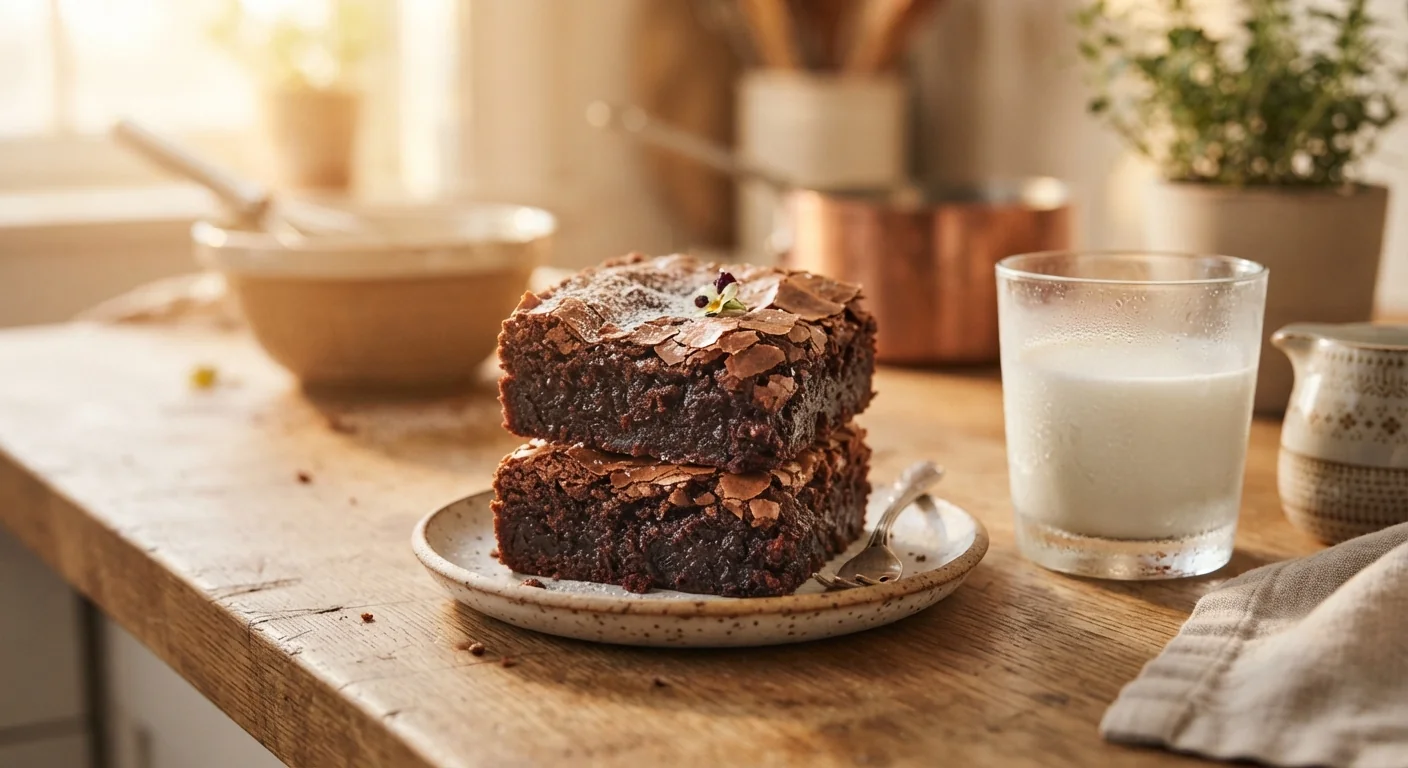
Brownies were the recipe that finally convinced my husband discard wasn’t just a weird baking phase, since these turned out fudgier than my normal recipe and he genuinely couldn’t tell there was anything unusual mixed in until I told him well after the pan was already half gone. The discard adds moisture without watering down the chocolate flavor at all, and the batter comes together in one pot, which means minimal cleanup on a weeknight when a chocolate craving hits and patience for dishes is already running low for everyone in the house.
I always pull these slightly underbaked, since they continue setting as they cool and that’s really the secret to getting that fudgy, slightly gooey center rather than a dry, cakey texture throughout the entire pan once it’s fully cooled down. A sprinkle of flaky salt on top right before baking makes the chocolate flavor pop even more, which is a small step that makes a genuinely noticeable difference in the final result. These disappear fast enough in my house that I’ve started hiding a few pieces for myself before anyone else notices they exist.
Discard Scones
- Cold butter, grated rather than cubed, blends into scone dough more evenly.
- Handling the dough as little as possible keeps the final texture tender, not tough.
- A quick glaze on top adds sweetness without needing a full frosting.
Scones made with discard turn out with a slightly tangy edge that plays really well against a sweet glaze on top, which is exactly the balance I’m always chasing in a good breakfast pastry served alongside a strong cup of coffee. I’ve started grating the cold butter into the flour rather than cutting it in with a pastry blender, and it genuinely distributes more evenly through the dough, giving a more consistent flaky texture throughout the whole batch instead of a few lucky flaky bites here and there scattered randomly.
Dried cranberries and orange zest are my favorite mix-in combination, though these are genuinely flexible enough to take almost any add-in you have on hand, chocolate chips, blueberries, or even a savory version with cheese and herbs if you’re skipping the glaze entirely for a different occasion. Handling the dough gently and not overworking it is the real key to keeping these tender rather than dense and heavy once they come out of the oven. Fresh out of the oven with coffee is honestly one of my favorite weekend mornings all year round.

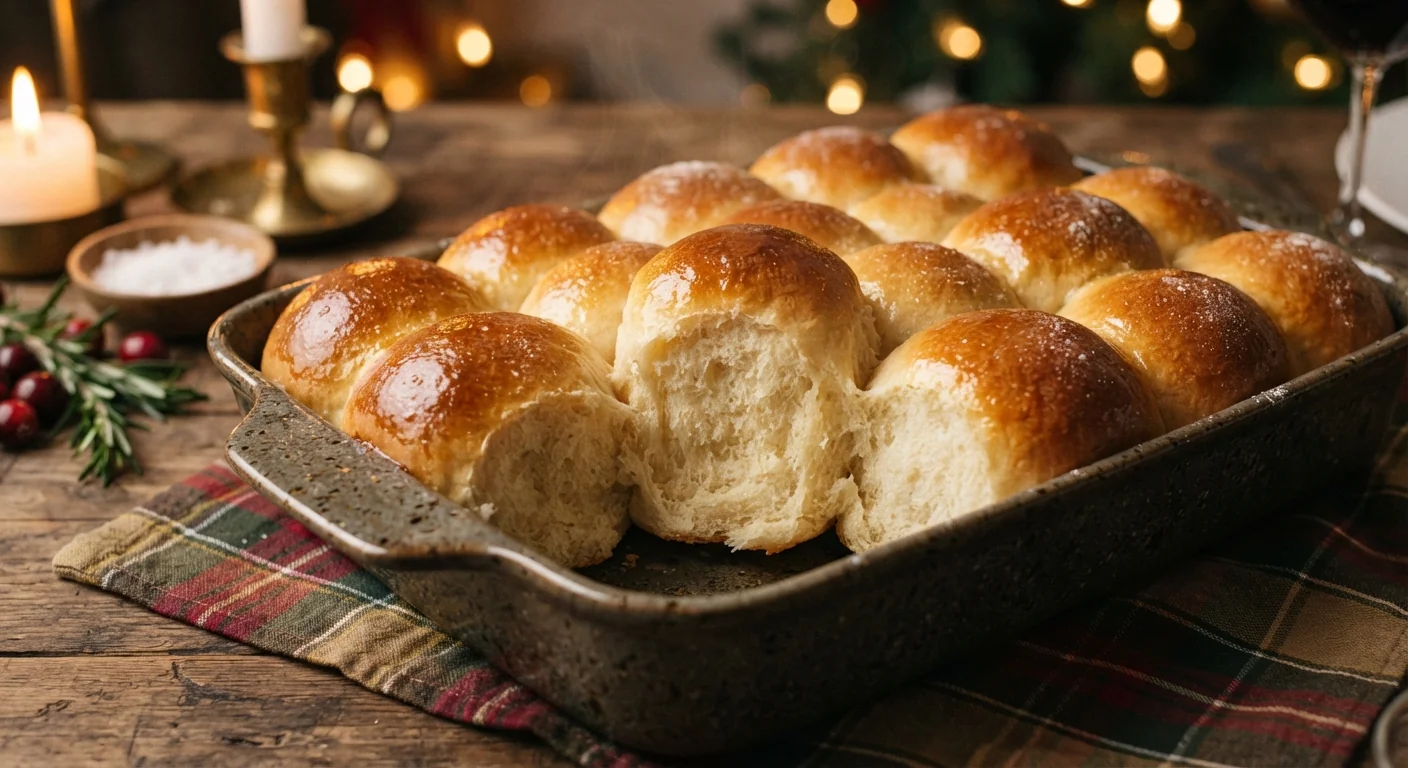
Discard Dinner Rolls
Dinner rolls made with discard have become my contribution to every holiday gathering now, since they’re soft, slightly tangy, and genuinely better than the rolls I used to buy from the store out of habit year after year without thinking twice about it. Baking them close together in the pan, so they rise into each other rather than staying separate, is what gives them that pull-apart texture everyone seems to love, tearing off a soft, warm piece rather than cutting a fully separate roll from the pan.
An egg wash brushed on right before baking gives them that shiny, golden top that makes them look genuinely impressive with very little extra effort involved beyond the single extra step. I make the dough the night before a big meal and let it do a slow rise in the fridge overnight, which actually deepens the flavor and means less to manage on the actual day of cooking everything else that’s already on the list. These reheat beautifully the next day too, wrapped in foil in a warm oven for a few minutes.
- A pan lined edge to edge helps these rolls rise into each other and stay soft.
- An egg wash before baking gives the rolls their glossy, golden finish.
- These reheat well the next day, wrapped loosely in foil in a warm oven.
- This is a genuinely reliable recipe to bring to a holiday gathering.
Discard Cinnamon Rolls
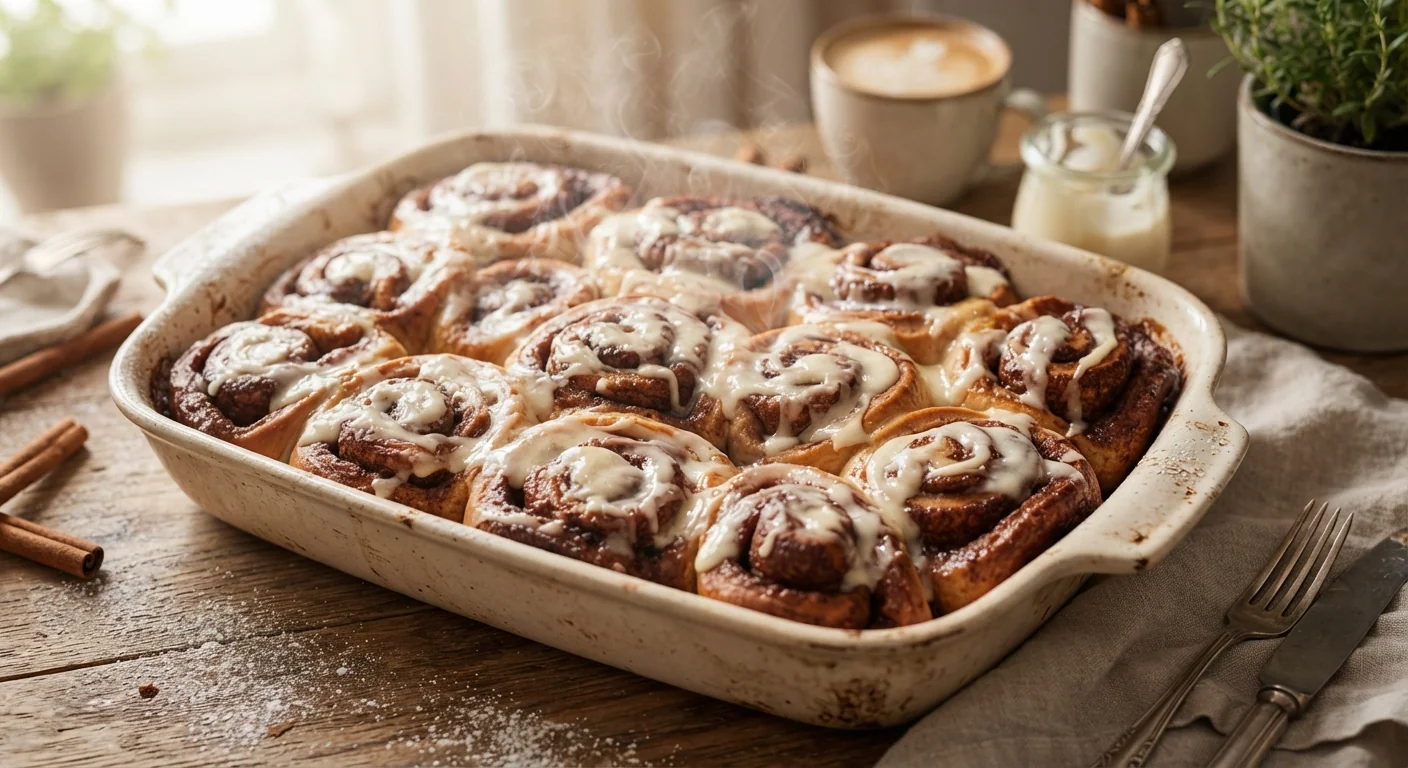
Cinnamon rolls made with discard genuinely taste like a bakery-quality treat, and the slight tang from the starter cuts through the sweetness of the filling and icing in a way that makes the whole thing feel a little more balanced than a purely sugary version would from a box mix. This is my go-to weekend baking project when I actually have the morning to spend on something a bit more involved, since the dough needs time to rise properly before rolling and cutting it into individual pieces.
I’ve started making the dough the night before and letting it rise slowly in the fridge overnight, which means fresh cinnamon rolls can actually happen on a weekday morning without needing to wake up hours early to start from scratch before everyone else is even awake. A generous cream cheese icing, spread on while the rolls are still slightly warm, melts into all the swirls in the best possible way imaginable. These are worth the extra effort compared to everything else on this list, saved for when there’s genuinely time to enjoy the whole process from start to finish.
Discard Crepes
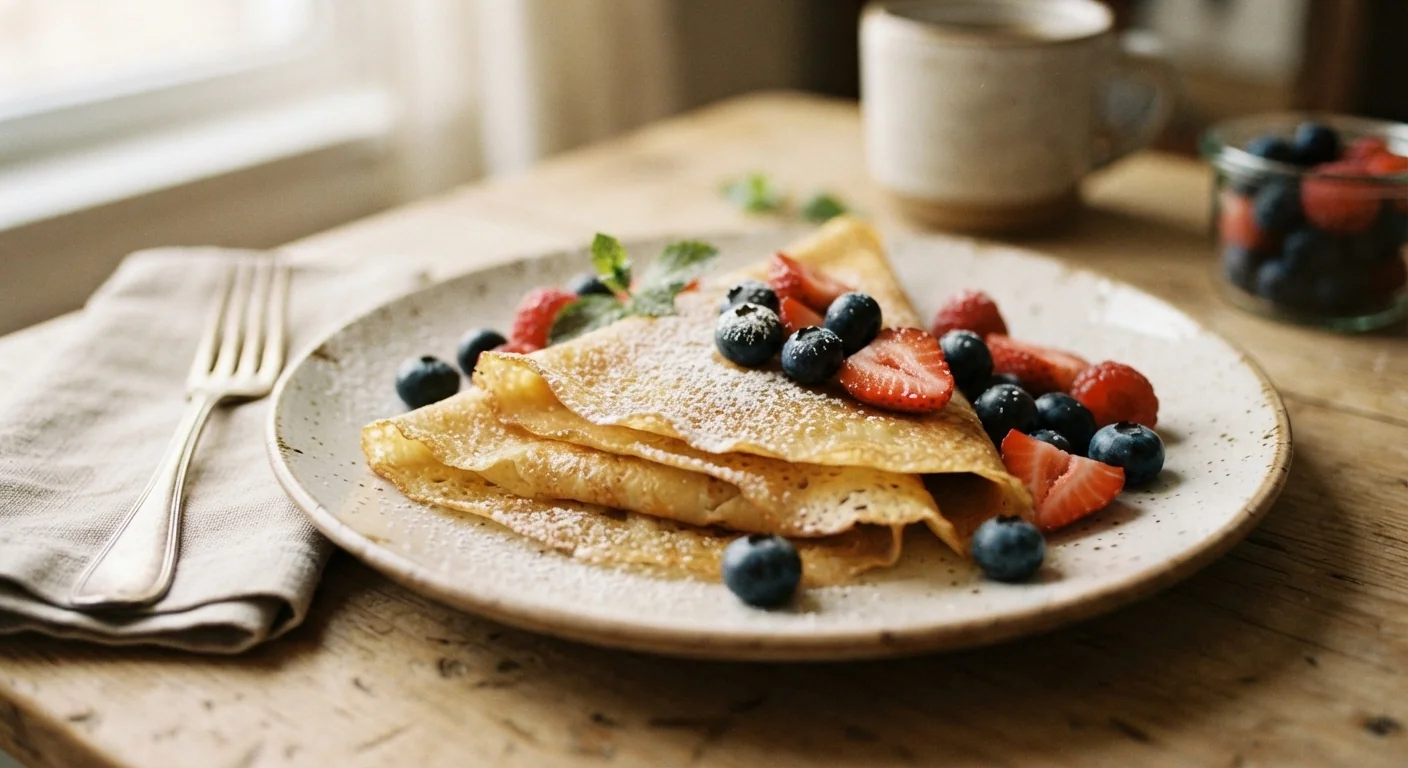
Crepes made with discard have a delicate tang that works beautifully with both sweet and savory fillings, which makes this one of the more versatile recipes on this entire list depending on what you’re actually in the mood for on a given morning or evening. The batter needs to be thin, thinner than pancake batter, closer to heavy cream in consistency, so a bit of extra milk or water beyond a standard pancake recipe usually gets you to the right texture for spreading thin across the pan evenly.
I fill mine with Nutella and sliced strawberries for a sweet version, or scrambled eggs and cheese when we’re doing a savory breakfast instead, and both directions work equally well with this exact same base batter every time. The first crepe in the pan is almost always a bit of a practice round, even for people who make these regularly, so don’t judge the whole batch by that first slightly uneven one that never looks quite right. These also freeze well, stacked with parchment paper between each crepe for easy separation later on.
- The batter should be thin, closer to heavy cream than pancake batter, for proper crepes.
- A hot, well-seasoned pan matters more here than any specific type of pan.
- These freeze well stacked with parchment paper between each one for easy separation.
Discard Granola Bars
- Pressing the mixture firmly into the pan before baking helps the bars hold together.
- Letting the bars cool completely before cutting prevents them from crumbling apart.
- These are a good way to use discard that’s a few days past its usual baking window.
- Customizing the mix-ins makes these easy to tailor to whatever snacks your family actually likes.
- These keep well at room temperature for several days in an airtight container.
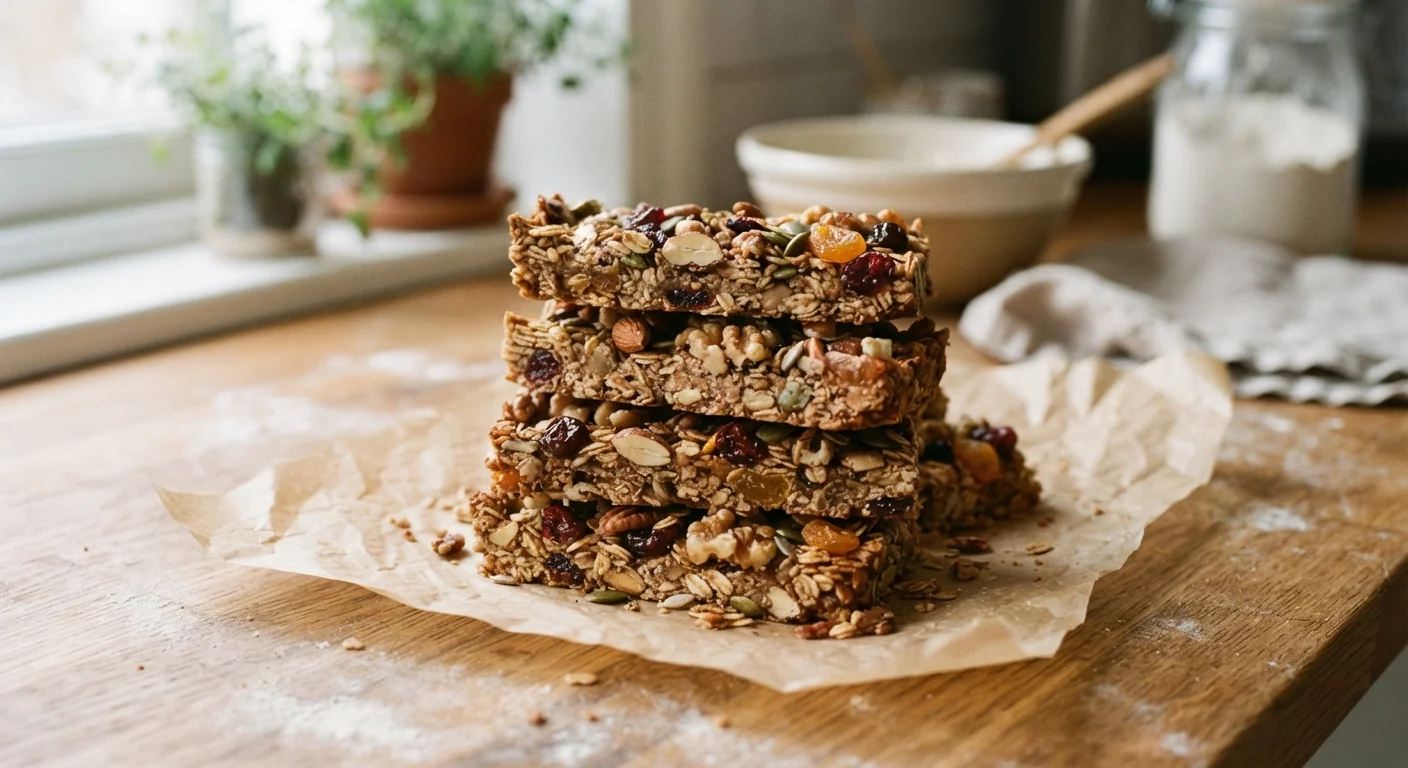
Granola bars weren’t the first thing I thought to make with discard, but they’ve become one of the more practical recipes on this list, since they solve the constant need for grab-and-go snacks in a house with kids who are always hungry between meals no matter what time of day it is. The discard binds the oats and mix-ins together while adding a subtle flavor that’s genuinely hard to pinpoint unless you know it’s there, which makes this an easy one to sneak into a snack rotation without any pushback from picky eaters at all.
Pressing the mixture firmly and evenly into the pan before baking really matters here, since a loosely packed mixture tends to crumble apart once you try cutting it into individual bars later on that same day. Letting the bars cool completely, ideally even chilling them briefly, before cutting makes a real difference in how cleanly they hold together afterward once they’re wrapped up for lunchboxes. I customize the mix-ins based on whatever’s in the pantry that week, chocolate chips, dried cranberries, sunflower seeds, whatever needs using up alongside the discard itself that particular day.
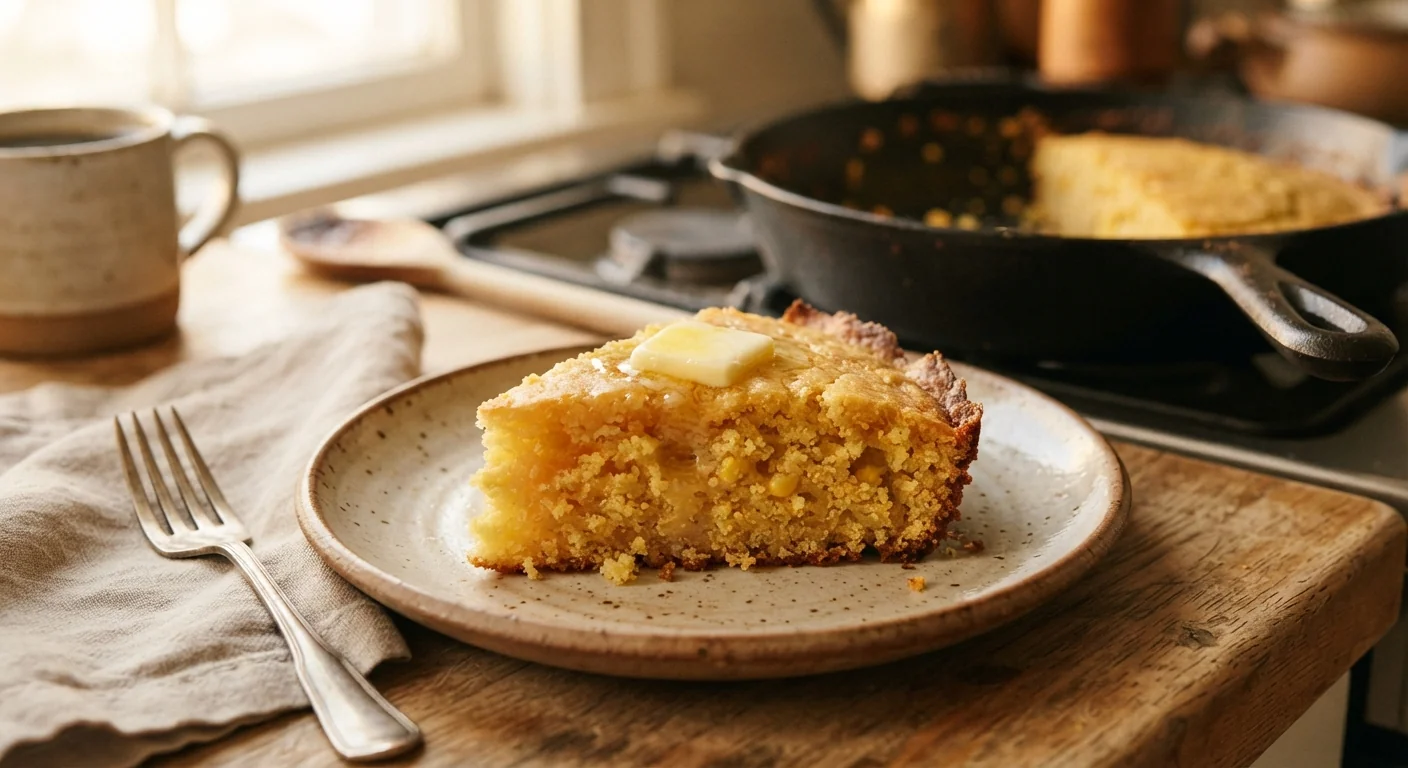
Discard Cornbread
- Baking this in a preheated cast iron skillet gives the bottom an excellent crispy crust.
- The discard adds moisture, helping avoid the dry, crumbly texture cornbread sometimes has.
- A touch of honey in the batter balances the cornmeal’s natural earthiness nicely.
Cornbread made with discard solves the dry, crumbly problem that regular cornbread sometimes has, since the added moisture from the starter keeps the crumb noticeably softer without making it dense or heavy in any way at all, even the next day. I bake mine in a cast iron skillet that’s been preheating in the oven while I mix the batter, since pouring the batter into that already-hot pan gives the bottom crust an excellent, almost fried texture that a regular baking pan just can’t replicate no matter how long you bake it.
A spoonful of honey mixed into the batter balances out the cornmeal’s natural earthiness, though this is easy to skip if you prefer a more savory version alongside chili or barbecue on the side. This has become the cornbread I make for every chili night now, since it disappears just as fast as the chili itself does at our table every single time we make it together. Leftover slices reheat well split and toasted, with butter melting into the warm, slightly crisp edges the next morning at breakfast.
Discard English Muffins
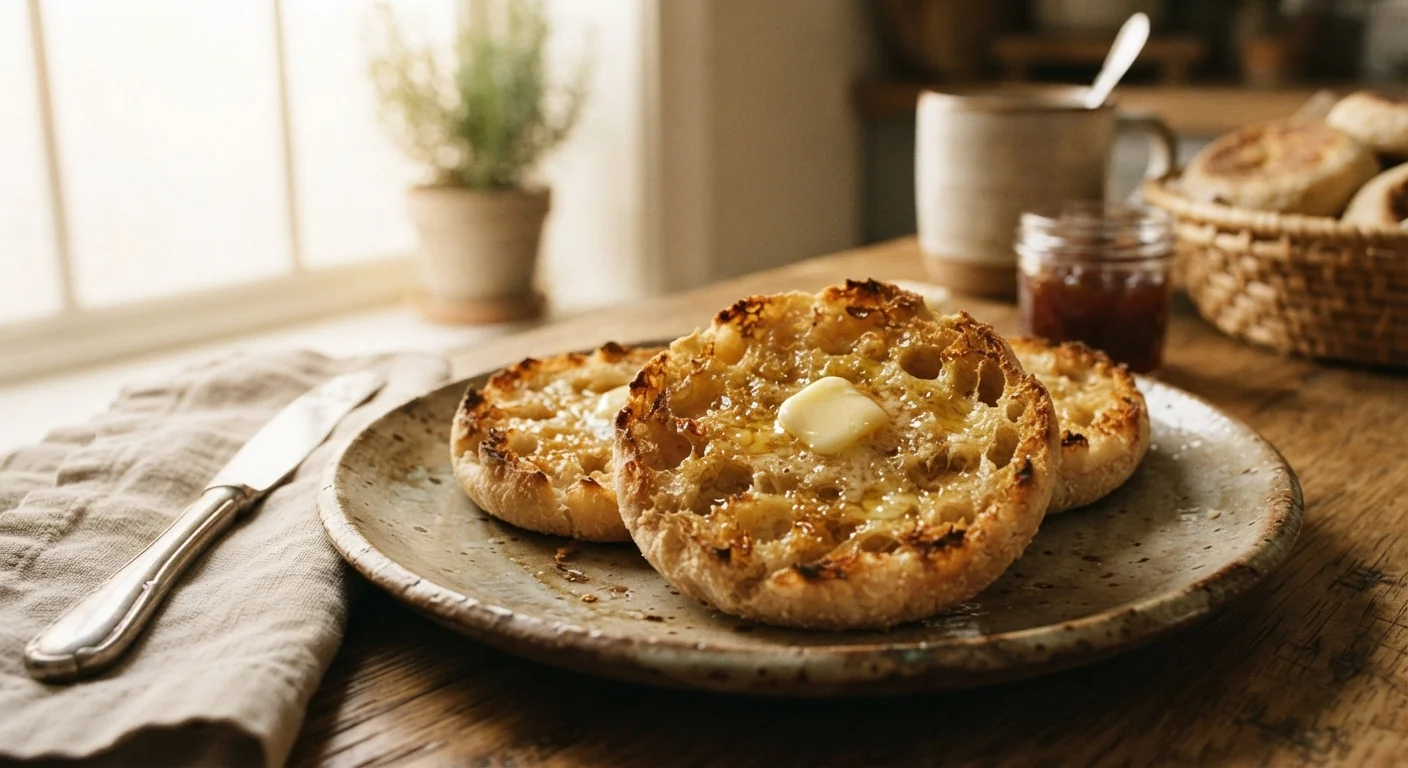
English muffins were genuinely one of the more surprising discoveries on this whole list, since the discard helps create those classic nooks and crannies that make a good English muffin so satisfying once it’s toasted and buttered properly on both sides. Cooking these on a griddle rather than baking them in the oven gives them that flat top and bottom, while cornmeal dusted on the outside before cooking adds both flavor and that classic slightly gritty exterior texture everyone genuinely associates with a good muffin.
Splitting them with a fork rather than slicing with a knife is actually the trick to getting those irregular, toasty nooks that hold melted butter so well, since a knife cuts too cleanly through the structure the dough naturally develops during cooking. These freeze beautifully once split, so I keep a stash ready for quick breakfasts, just a few minutes in the toaster from frozen on a busy weekday morning. Once you make these fresh, the plastic-wrapped grocery store version genuinely stops feeling worth buying anymore, and I mean that sincerely.
FAQ
How much discard do most of these recipes actually use?
Most recipes on this list use somewhere between half a cup and a full cup of discard, which is roughly what accumulates from a normal feeding schedule over a few days. Recipes like discard chips or crackers are flexible enough to scale up or down depending on how much you have on hand that day.
Does discard need to be fed or active to work in these recipes?
No, that’s actually the whole point of discard recipes. Unfed, unbubbly discard straight from the fridge works perfectly in every recipe on this list, since none of them rely on the starter’s rising power the way an actual sourdough loaf would.
How long can sourdough discard sit in the fridge before using it?
Discard generally stays usable for one to two weeks in the fridge, though it may develop a stronger, more sour smell over time, which is completely normal. If it develops any mold or an off, unpleasant smell beyond just sourness, it’s time to toss that batch and start fresh.
Can I substitute discard for some of the flour and liquid in a regular recipe?
Yes, and that’s essentially how most of these recipes work. A general rule is to reduce the flour and liquid in a base recipe slightly to account for what the discard itself already contributes, though the specific recipes on this list are already balanced for you.
What’s the best way to store extra discard between baking sessions?
A jar with a loose-fitting lid in the fridge works well, since discard needs some airflow and shouldn’t be sealed completely airtight. Give it a stir before using it in any recipe, since it naturally separates a bit while sitting.
Conclusion
That guilty feeling of scraping discard into the trash doesn’t have to be part of feeding a starter anymore. From easy pancakes on a rushed morning to a weekend project like cinnamon rolls or bagels, these 20 sourdough discard recipes turn what used to feel like waste into some of the best things coming out of my kitchen every week. Save this list to Pinterest before your next feeding, pick one recipe to try this week, and pass it along to any starter-owning friend who’s still feeling guilty about their own discard jar.