Browsing
Education
Education on The Idea Shelf is practical learning support for parents and students: study routines, reading and comprehension skills, science activities and exam preparation that work at home, not just in a classroom.
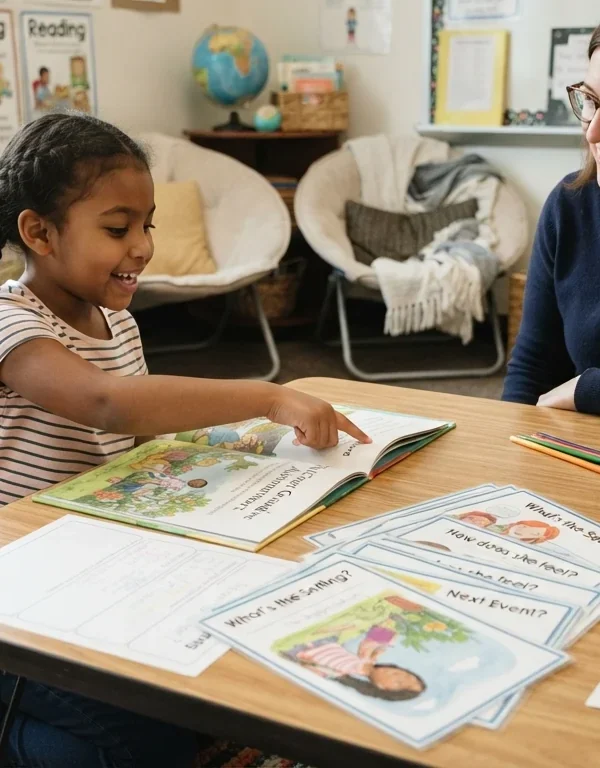
Reading & Comprehension
Understanding, not just decoding.
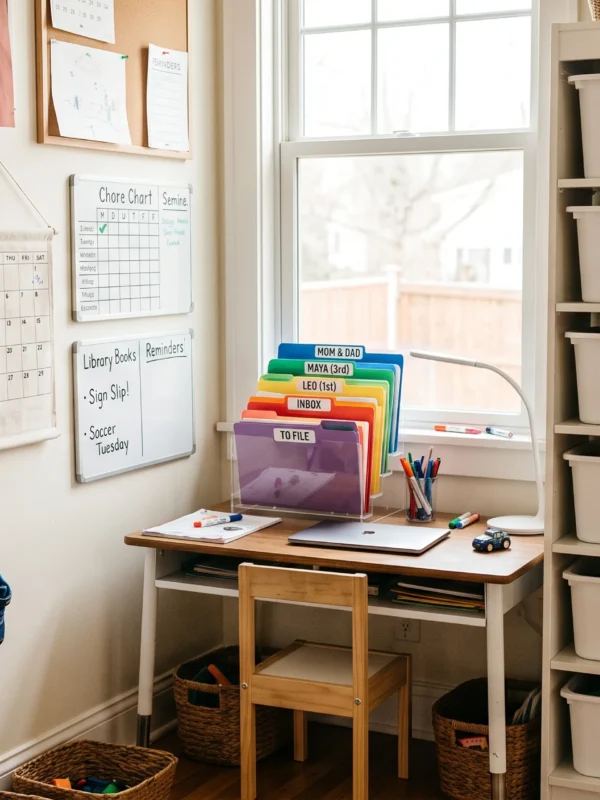
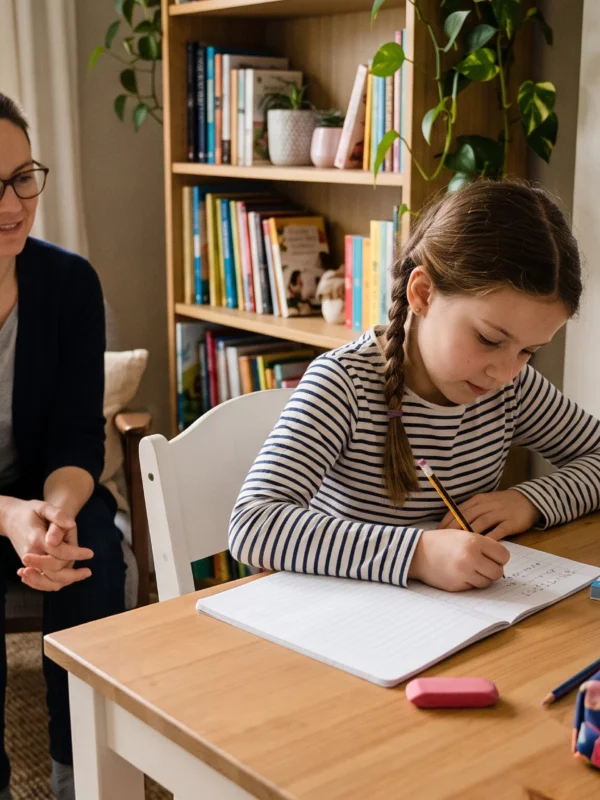
Homework & Study Routines
Routines that hold up.
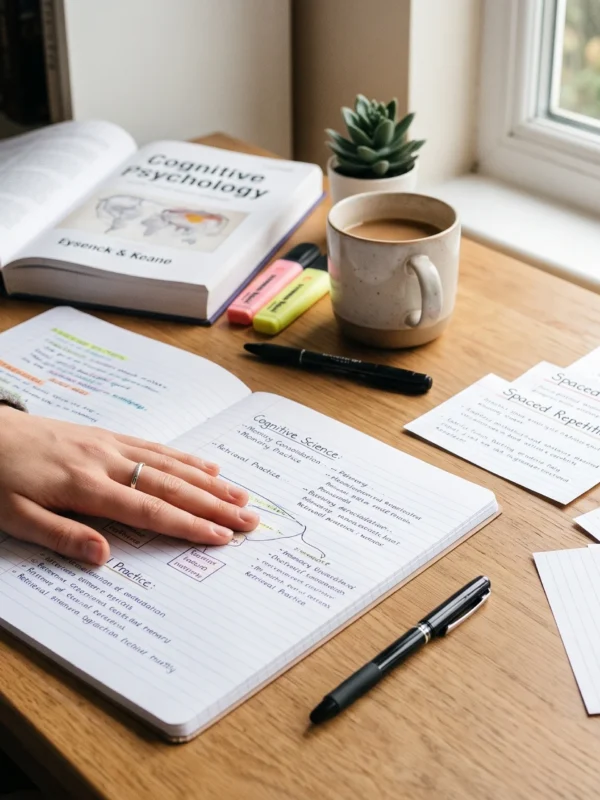
Exams & Study Skills
Revision, planning and exam confidence.
Hands-On Learning Activities
Screen-free learning through doing.
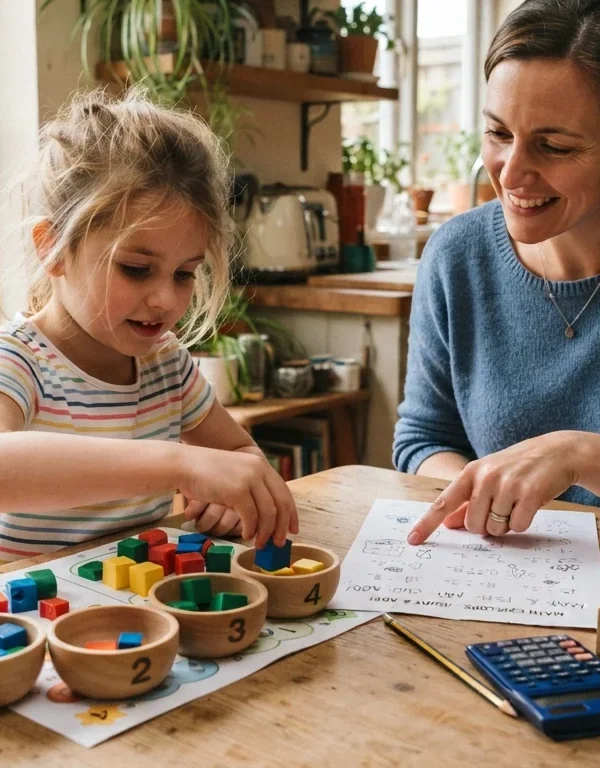
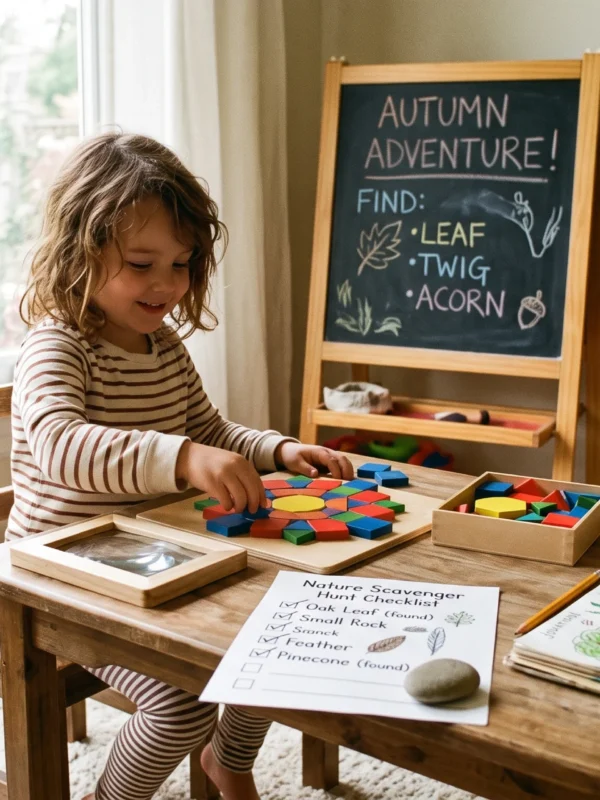
Latest in Education
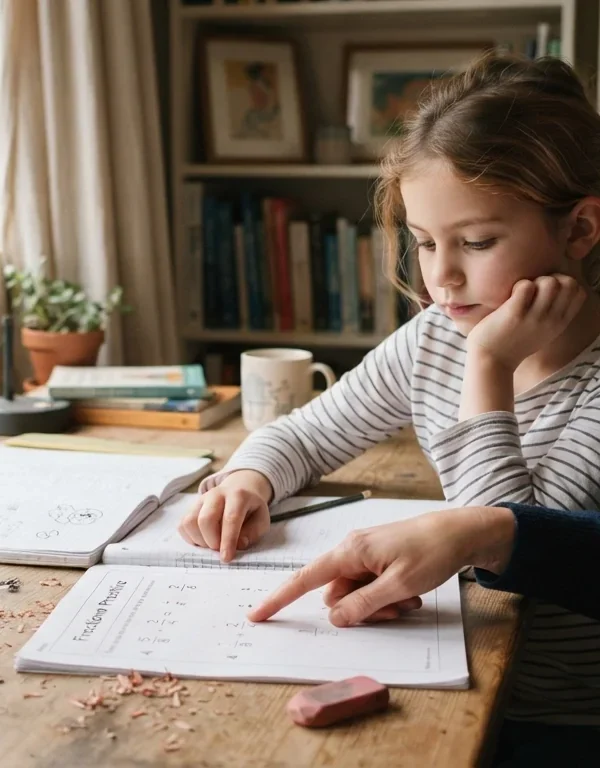
About this section
The section is curated by Syeda Misbah Hasnain, a science educator with more than ten years of teaching experience. Since 2018 she has taught Chemistry to Class 9 and 10 students as a Secondary School Educator (Science) with the School Education Department, Government of Punjab, preparing them for board examinations. Before that, she spent four years as a Chemistry lecturer at PAEC College, D.G. Khan, teaching undergraduate students and running laboratory sessions. She holds an M.Sc in Applied Chemistry from the University of Karachi, and has also designed lesson plans, worksheets and curriculum material for educational projects.
That background shapes the section. The ideas here favour understanding over memorising, and routines that a real student can keep up over a whole school year. Reading and comprehension covers building readers who understand what they read. Homework and study routines is about structure that holds up past the first week. Science at home offers simple, safe activities that make concepts visible. Exams and study skills covers planning, revision and managing test pressure. Hands-on learning activities includes screen-free ways to learn through doing.
These are the kind of suggestions a teacher might share with a parent at a parent-teacher meeting, with enough detail to actually use them at home.
Common Questions
How much time should children spend on homework?
A widely used guideline is about ten minutes per grade level each night: around 10 minutes in Grade 1, rising to about an hour by Grade 6 and more in secondary school. Consistency matters more than length. A short, calm, regular study time works better than long sessions that end in frustration.
How can I improve my child's reading comprehension?
Ask questions before, during and after reading: what they predict, what just happened and why a character acted as they did. Have them retell the text in their own words, and pause to explain new vocabulary in context. Understanding grows when reading becomes a conversation rather than a test.
How do I build a study routine that sticks?
Keep the same time, the same place and the same order every day. Start with a short break, clear the space of distractions, and tackle the hardest subject first while energy is highest. A visible checklist lets students track progress themselves, which reduces arguments and builds independence.
What is the best way to prepare for board exams?
Start revision early and spread it out, rather than cramming in the final weeks. Understand concepts before memorising answers, practise with past papers under timed conditions, and review mistakes to find weak topics. Short daily sessions, enough sleep and a written revision plan make a bigger difference than long late-night study.
What are simple, safe science experiments to do at home?
Kitchen experiments work well under adult supervision: baking soda and vinegar show a chemical reaction producing gas, red cabbage water acts as a natural pH indicator, and dissolving sugar or salt in water at different temperatures shows how heat affects dissolving. Ask the child to predict the result first, then explain what they saw.