
Quick answer: Reading comprehension activities work best when a child thinks before, during and after reading. Try a picture walk with young children, story sequencing cards after a picture book, and a small group discussion (a Socratic circle) with older readers. Pick one or two by age, keep sessions short, and ask your child to explain the story in their own words.
After the next story, close the book and ask what happened and why one character acted that way. If your child reads the words but can’t answer the why, that is the gap these activities work on. Since I started teaching, I have seen capable readers stumble on comprehension questions. They could decode the text, but no one had shown them how to think while reading. Children learn more from activities than from reading theory, so here are fourteen, sorted into before, during and after reading.
Start Here: Which reading comprehension activity fits your child’s age?
Find your child’s age band first. It points you to two or three activities to try this week, so you don’t need to read all fourteen in order.
Which reading comprehension activity fits your child’s age?
Start from the one thing you want your child to practice, then pick the activity that checks it at your child’s age.
The National Reading Panel describes comprehension as intentional thinking in which meaning is built from the text and the reader.
- Before reading. Picture walk: ages three to seven, five to ten minutes, checks noticing details. Prediction chain and journals: ages four to twelve, five minutes, checks prediction.
- During reading. Partner check-ins: ages six to twelve, ten minutes, checks recall. Context clues hunt: ages eight to fourteen, ten minutes, checks word meaning. Audiobook plus text: age seven and older, ten to fifteen minutes, checks following the text. Question cubes: ages six to eleven, five to ten minutes, checks asking questions.
- After reading, story skills. Retelling and sequencing cards: ages three to eight, ten minutes, checks story order. Text-to-self connections: ages five to twelve, five minutes, checks personal links. Character interview: ages five to twelve, ten minutes, checks character motive. Story map: ages six to twelve, ten to fifteen minutes, checks story structure.
- After reading, bigger ideas. Illustrated summaries and sketchnotes: ages six to fifteen, ten to fifteen minutes, checks summarizing. Venn diagram: age eight and older, fifteen minutes, checks comparison. Socratic circles: age eleven and older, twenty to thirty minutes, checks reasoning. Real-world projects: age nine and older, a few short sessions, checks using ideas beyond the book.
- Ages and times are practical suggestions, not research figures. Age six is roughly class one in Pakistan.
1. Picture Walk Before Reading
Before reading · Ages: about three to seven · Checks: noticing details and guessing ahead · Time: five to ten minutes · Materials: a picture book
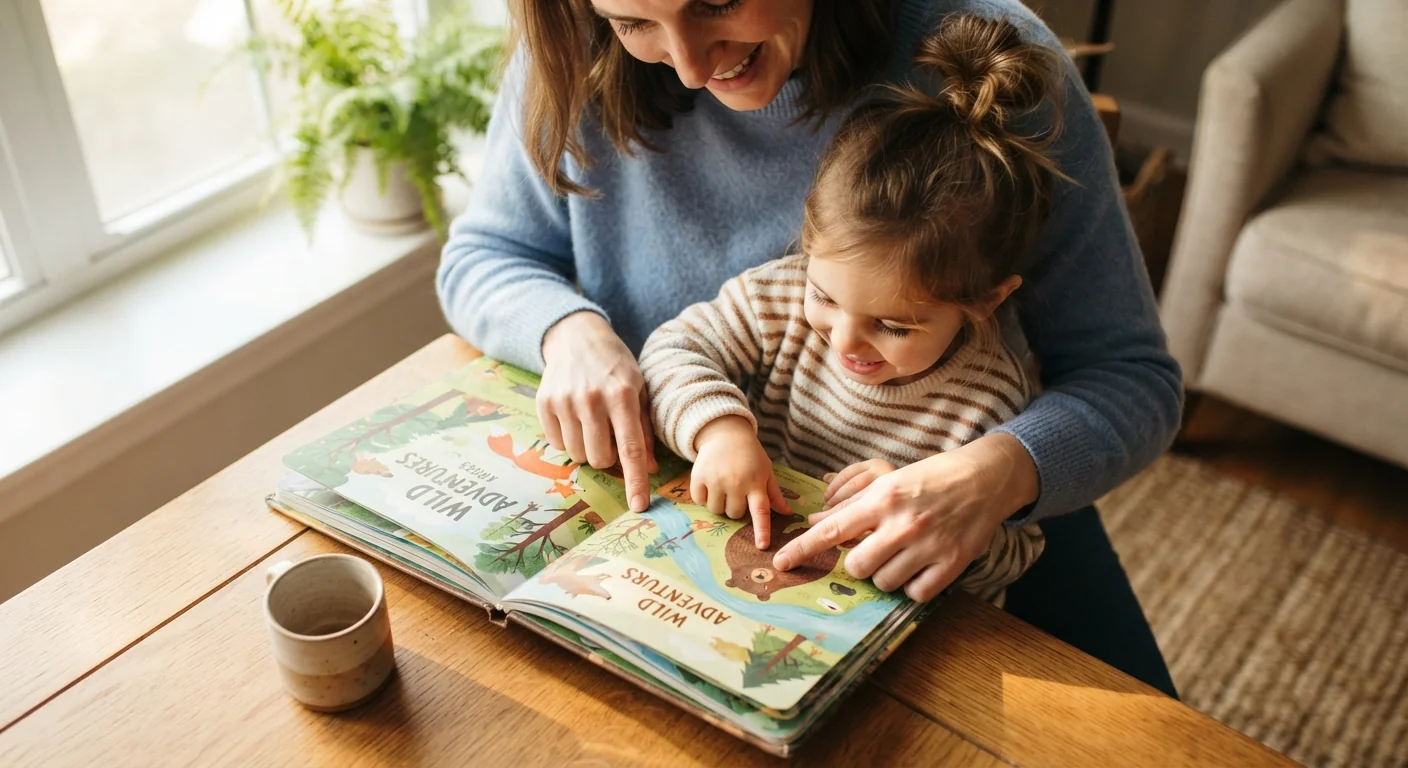
A picture walk means turning the pages of a new book together and talking about the pictures before reading any words. Asking what your child notices, instead of “What is this?”, gets them looking more closely at the pictures. This short step gives the child a frame that the words will fill in later.
Answer every question your child asks. Even a question that wanders off the page shows your child is thinking, and answering it builds confidence.
What a weak answer tells you: if your child only names objects, such as “a cat, a tree”, they are not yet linking the pictures into a story. Ask what the cat might want.
2. Prediction Chain and Chapter Prediction Journals
Before and during reading · Ages: about four to twelve · Checks: prediction and using clues · Time: five minutes · Materials: sticky notes or a notebook
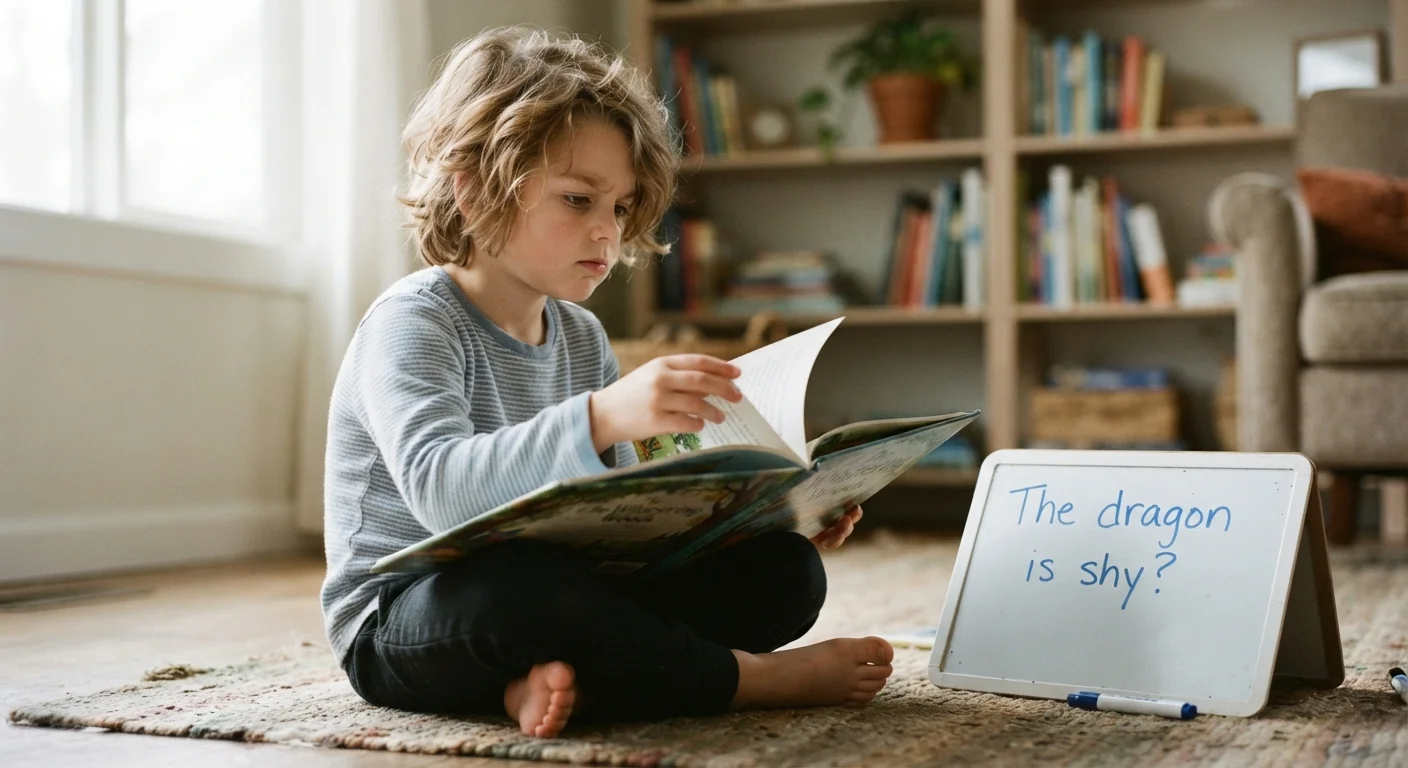
Stop at a few points and ask, “What do you think happens next, and why?” Each guess links to the last one, which makes a chain. A US Department of Education practice guide, based on research with children aged about five to nine, rates teaching strategies like predicting as strong evidence. It suggests asking for a prediction halfway through and having the child explain how they decided.
For older readers, the chain becomes a prediction journal for chapter books: one short guess at the end of each chapter, checked at the start of the next. Each chapter break becomes a small moment to look forward to. With my students, one habit showed who was thinking about the story and who was only waiting for it to end: asking what happens next.
What a weak answer tells you: a guess with no reason means your child is guessing, not reading for clues. Ask, “What in the story made you think that?”
3. Partner Reading Check-Ins
During reading · Ages: about six to twelve · Checks: recall and retelling in their own words · Time: ten minutes · Materials: one book for two readers
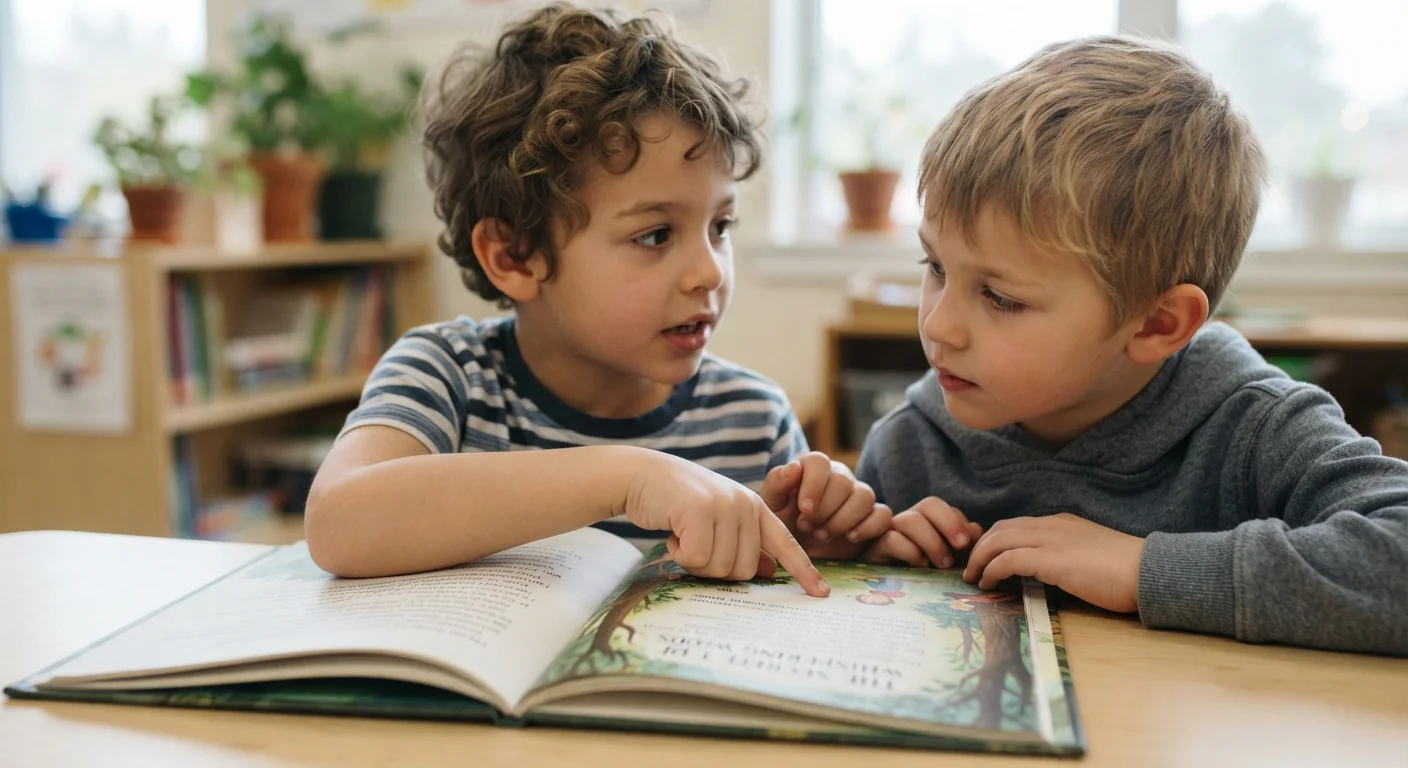
Two readers share one book and take turns reading a page aloud. After each page, the listener says what just happened in a sentence or two, and the reader adds anything missed. The reading panel counted cooperative learning, where students learn reading strategies together, among methods with a solid scientific basis.
I pair a stronger reader with a developing one on purpose, because both gain something. One practices putting the story into words, and the other hears a clearer example of it.
What a weak answer tells you: if the listener repeats the sentences word for word, they are remembering, not understanding. Ask for it again “in your own words”.
4. Vocabulary Context Clues Hunt
During reading · Ages: about eight to fourteen · Checks: inference and word meaning · Time: ten minutes · Materials: a pencil and a notebook
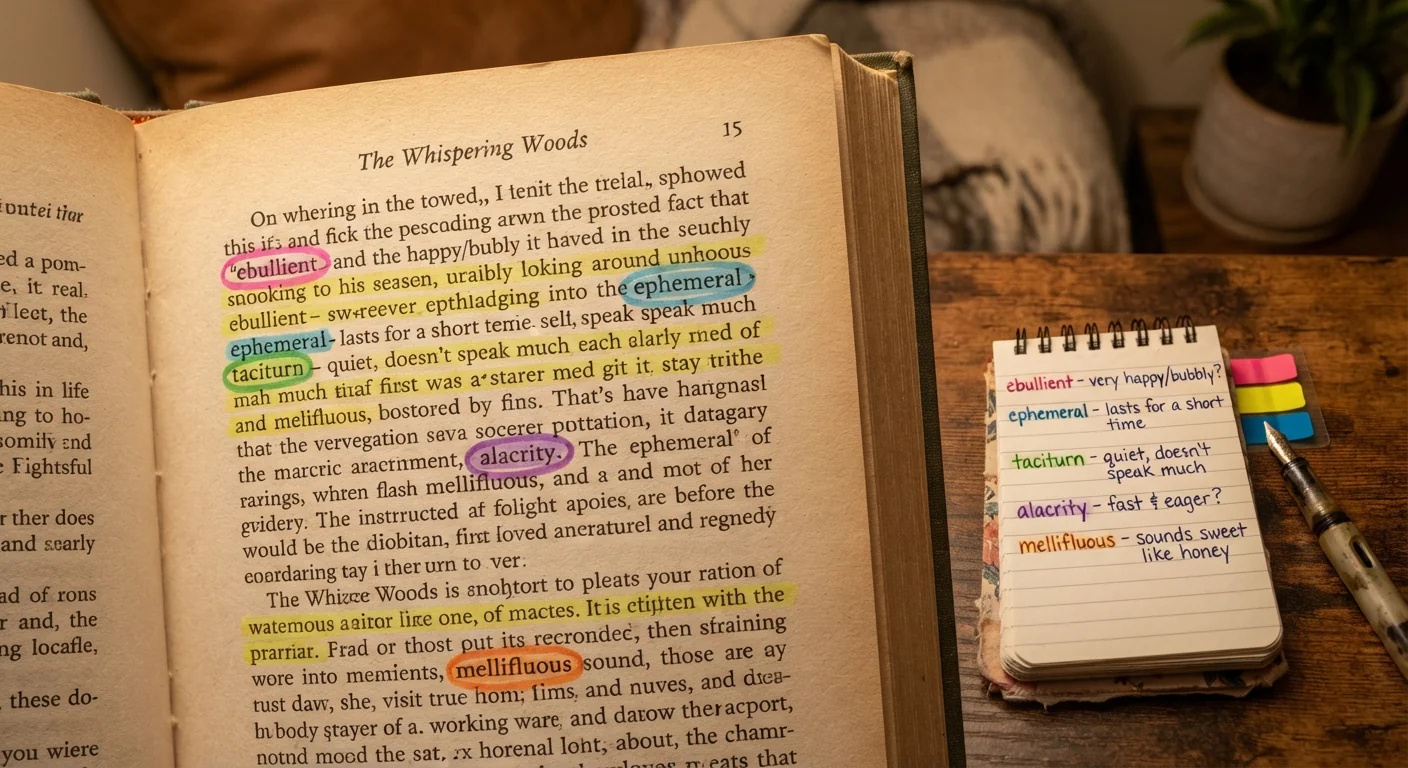
A context clue is a hint in the nearby words that shows what an unknown word means. Before looking a word up, your child circles it, reads the sentences around it and writes a guess. Then they check the guess in a dictionary. In the practice guide, all three studies of inference training found positive effects on comprehension.
For a child reading in a second language, this step matters even more. Guess the meaning from the story first, then translate. A child who jumps straight to the Urdu or Arabic word learns the word but skips the thinking.
What a weak answer tells you: a guess that doesn’t fit the sentence shows your child read the word but not the sentence around it.
5. Audiobook Plus Text (Read-Along)
During reading · Ages: about seven and older · Checks: following the text · Time: ten to fifteen minutes · Materials: an audiobook and the same printed book
Your child listens to the audiobook while following the same words in print, with a finger under the line. Pause every few pages to ask what just happened. Pairing the audio with the page can open up harder, age-appropriate books to a reader who finds the printed text alone too difficult.
A review by the National Literacy Trust found that audiobooks can support decoding, comprehension and enjoyment, including reading while listening. It also says more research is needed, so treat this as a helpful option, not a proven fix.
What a weak answer tells you: if your child can’t answer at a pause, they were listening to the voice but not following the page. Pause more often.

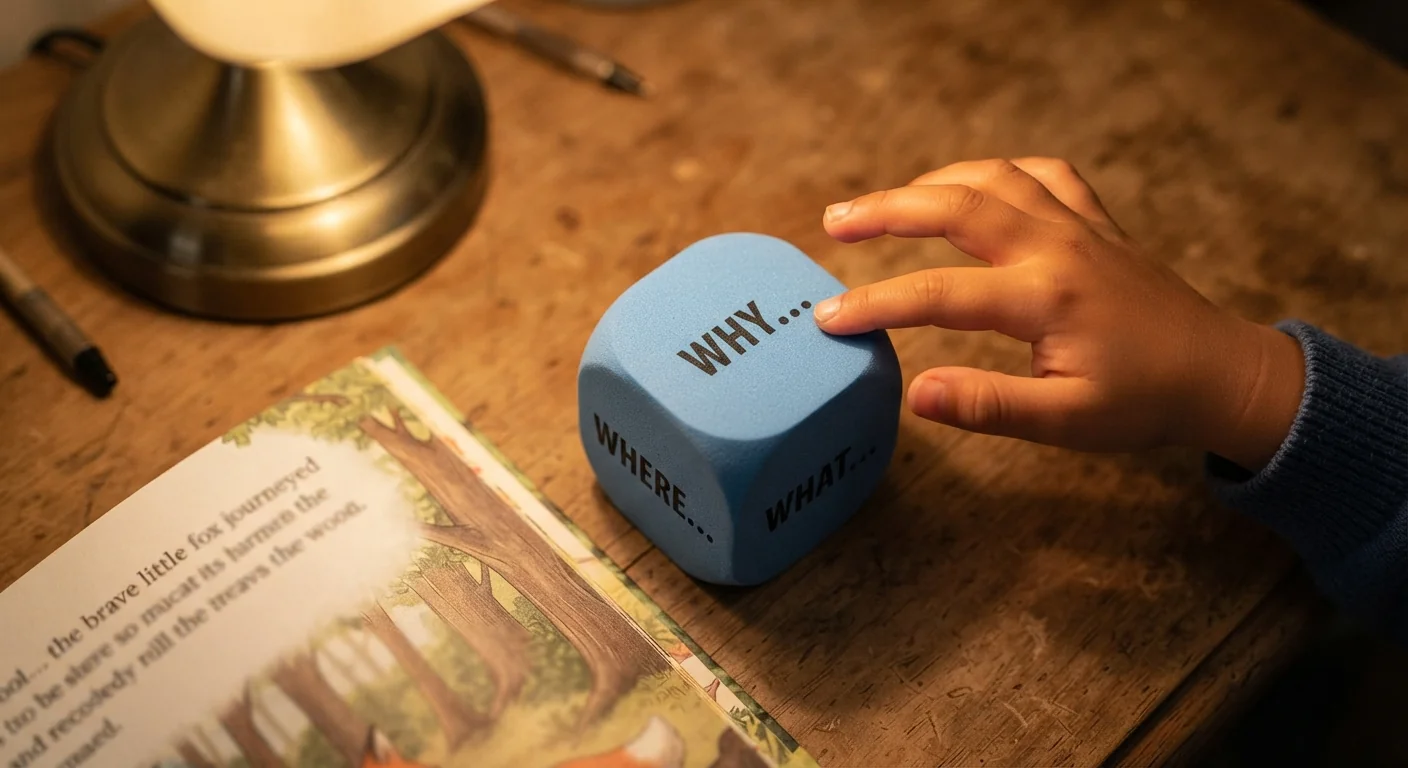
6. Comprehension Question Cubes
During or after reading · Ages: about six to eleven · Checks: asking questions · Time: five to ten minutes · Materials: a paper or foam cube
Write one question starter on each face of a cube: who, what, where, when, why and how. Your child rolls it and asks a question about the story with that word.
Answer the question, or reply with guiding questions instead of answers if your child could find it in the book.
What a weak answer tells you: if every question starts with who or what, your child is recalling facts. Roll again until the cube lands on why or how.
7. Story Retelling and Sequencing Cards
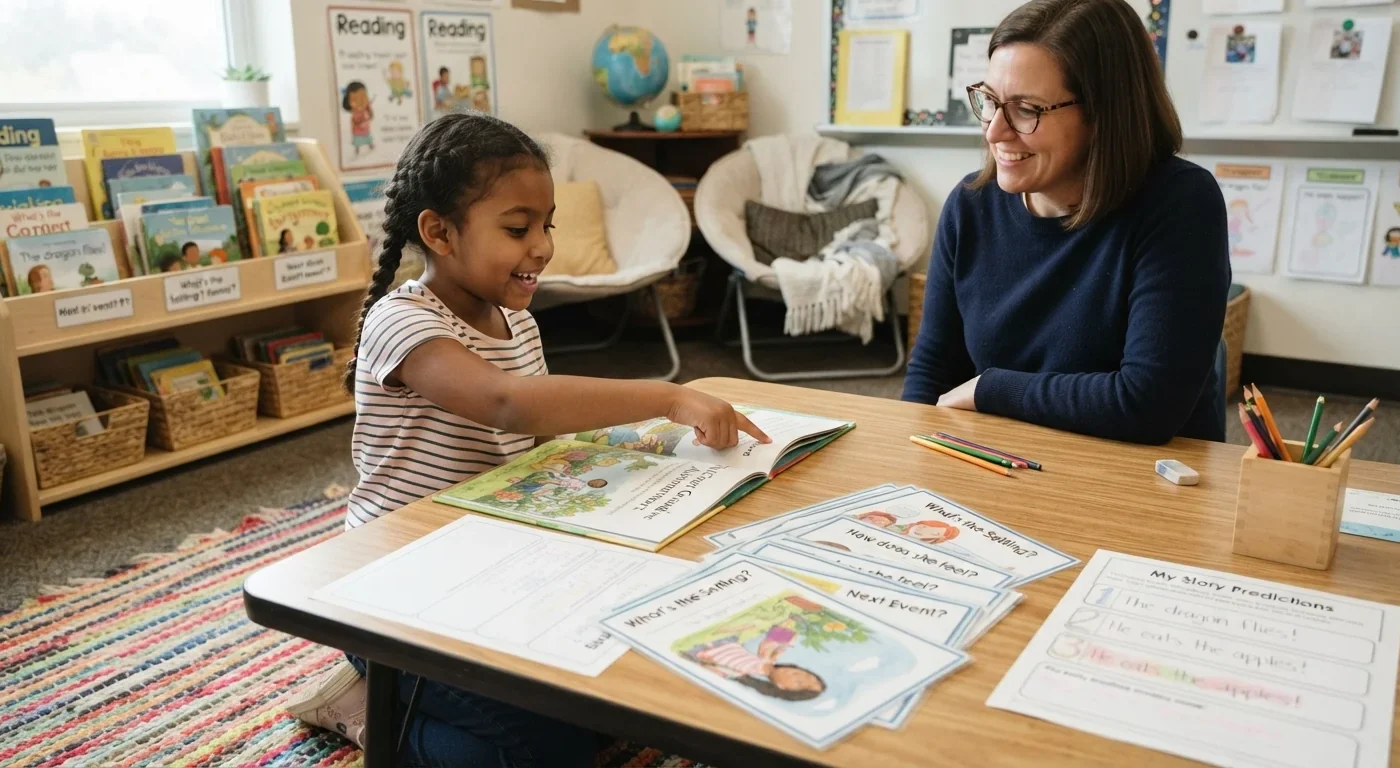
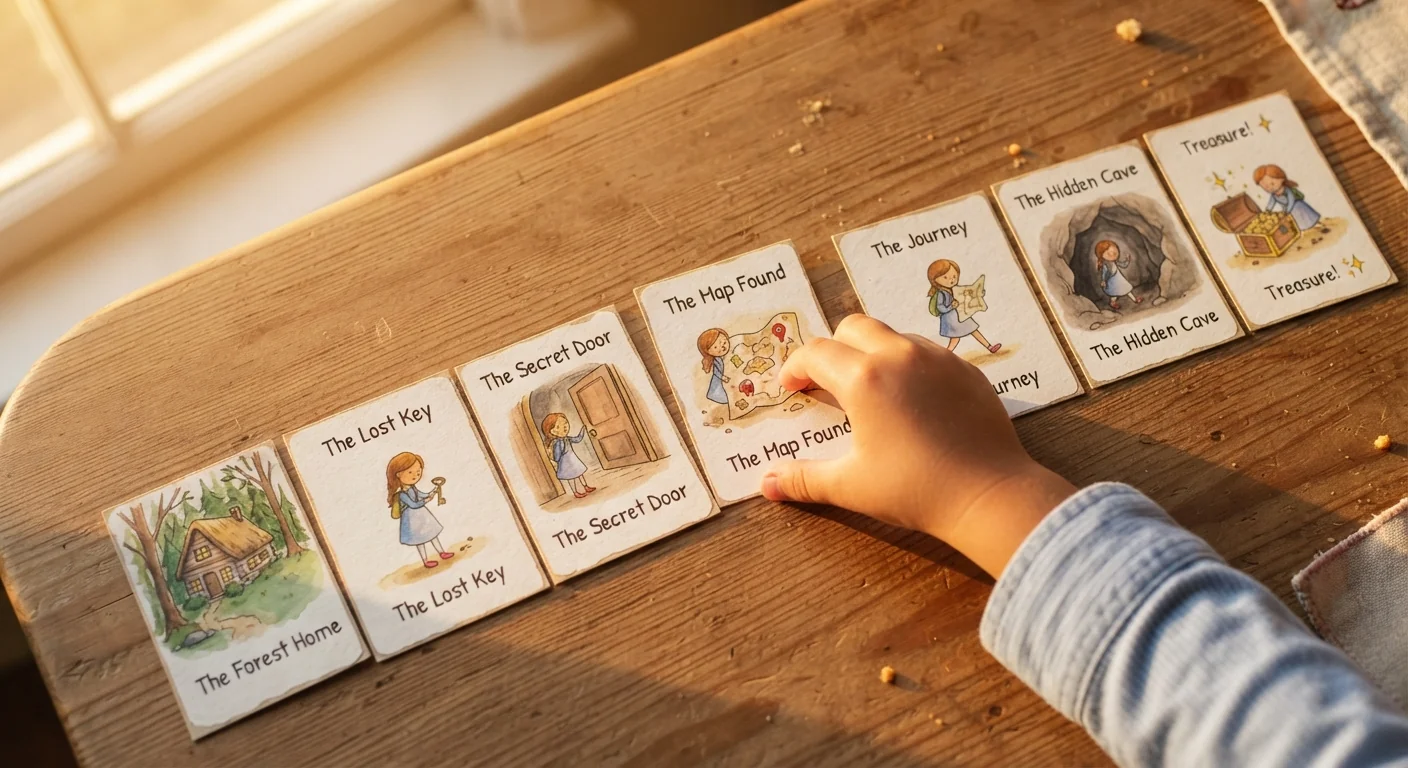
After reading · Ages: about three to eight · Checks: story order and cause and effect · Time: ten minutes · Materials: picture cards, toys or props
Retelling with props and sequencing cards both ask your child to put the story back in order. Draw or print pictures of the main events, mix them up, and ask your child to put them in order and tell the story. The practice guide describes this sequencing activity for younger children, and four studies found retelling had positive effects on comprehension.
Some of my students could not retell a story in words, but managed it easily once they had cards or objects to move while they talked. Toys and props work the same way.
What a weak answer tells you: cards in order with no reason for each step mean your child remembers scenes, not how one event caused the next.
8. Text-to-Self Connections
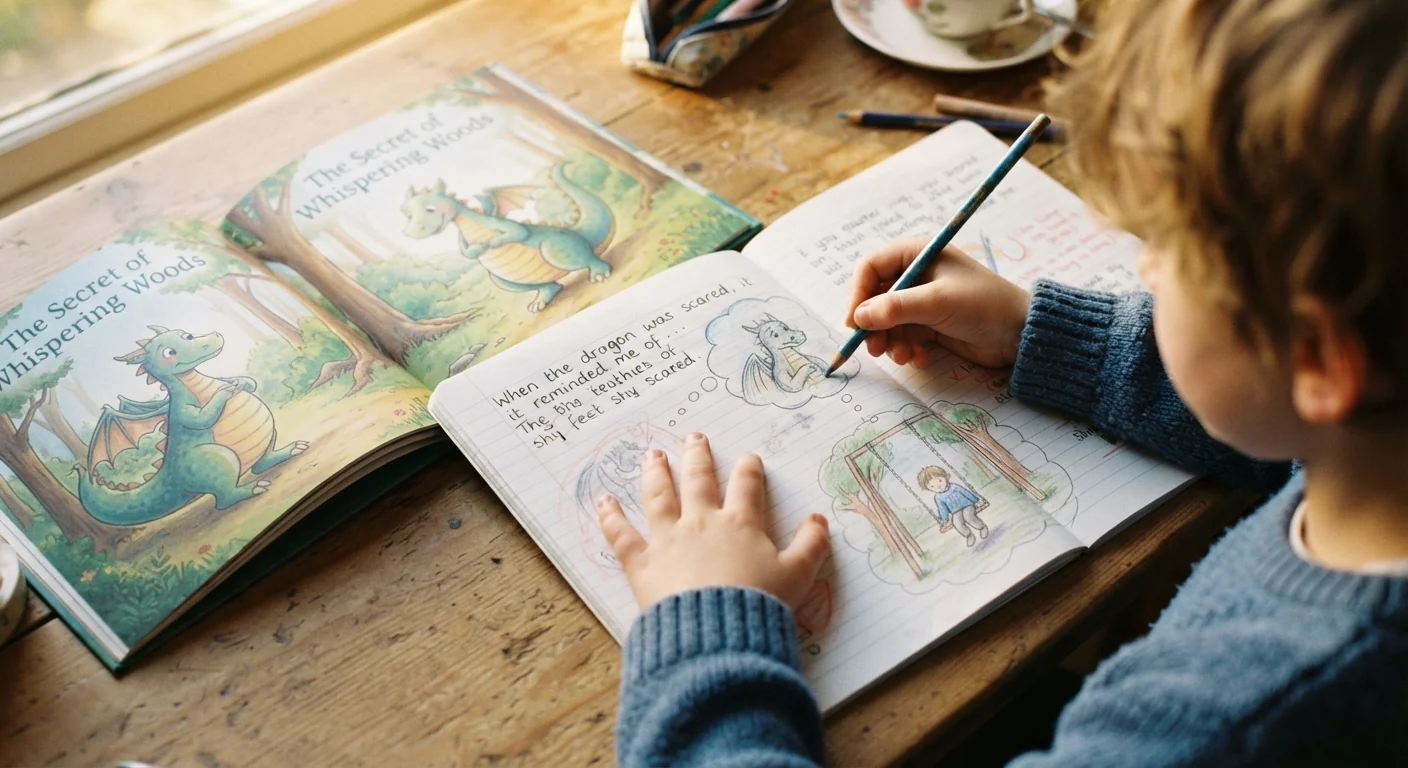
After reading · Ages: about five to twelve · Checks: linking the story to your child’s own life · Time: five minutes · Materials: none, or a notebook
A text-to-self connection is a link between something in the story and the child’s own life. Ask, “Has anything like this happened to you?”
The reading panel found that comprehension improves when readers relate what they read to their own knowledge and experiences. Even one real personal link helps a child hold on to more of a story than reading only for the plot.
What a weak answer tells you: a link that only matches a surface detail, like owning the same pet, is a start. Ask how it changes the way your child sees the character.
9. Character Interview Role-Play
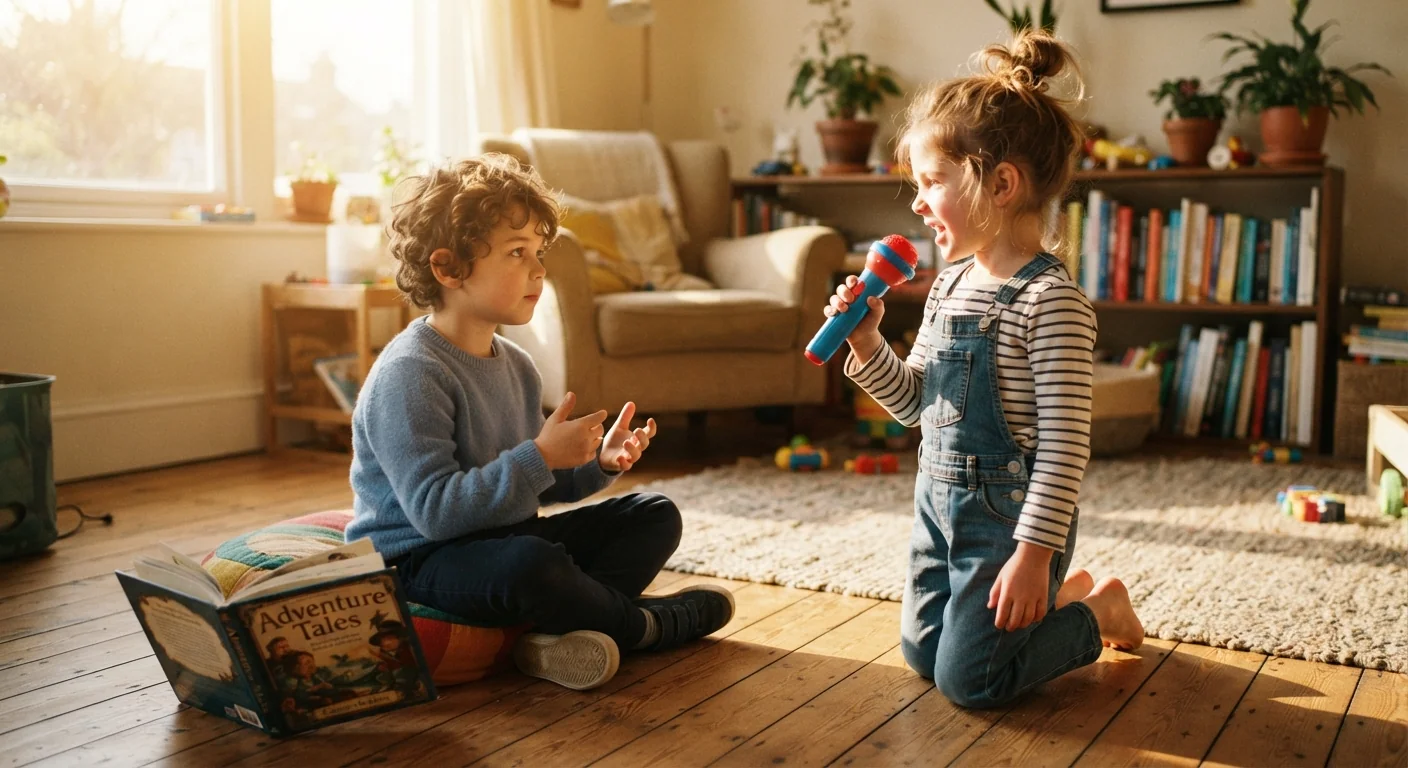
After reading · Ages: about five to twelve · Checks: character motive and inference · Time: ten minutes · Materials: a toy microphone, if you have one
One person plays a character from the book, and the other interviews them. Ask questions the book doesn’t answer directly, such as “Why did you leave home?” Your child has to answer from what the story shows.
Take the first turn as the character yourself, with a silly voice or a hat. “Bacho k sath bacha banna parta hai”: with young children, you have to become a child yourself.
What a weak answer tells you: an answer that only retells the plot shows your child remembers events but hasn’t yet worked out how the character changed.
10. Graphic Organizer (Story Map)
After reading · Ages: about six to twelve · Checks: story structure · Time: ten to fifteen minutes · Materials: paper and a pencil
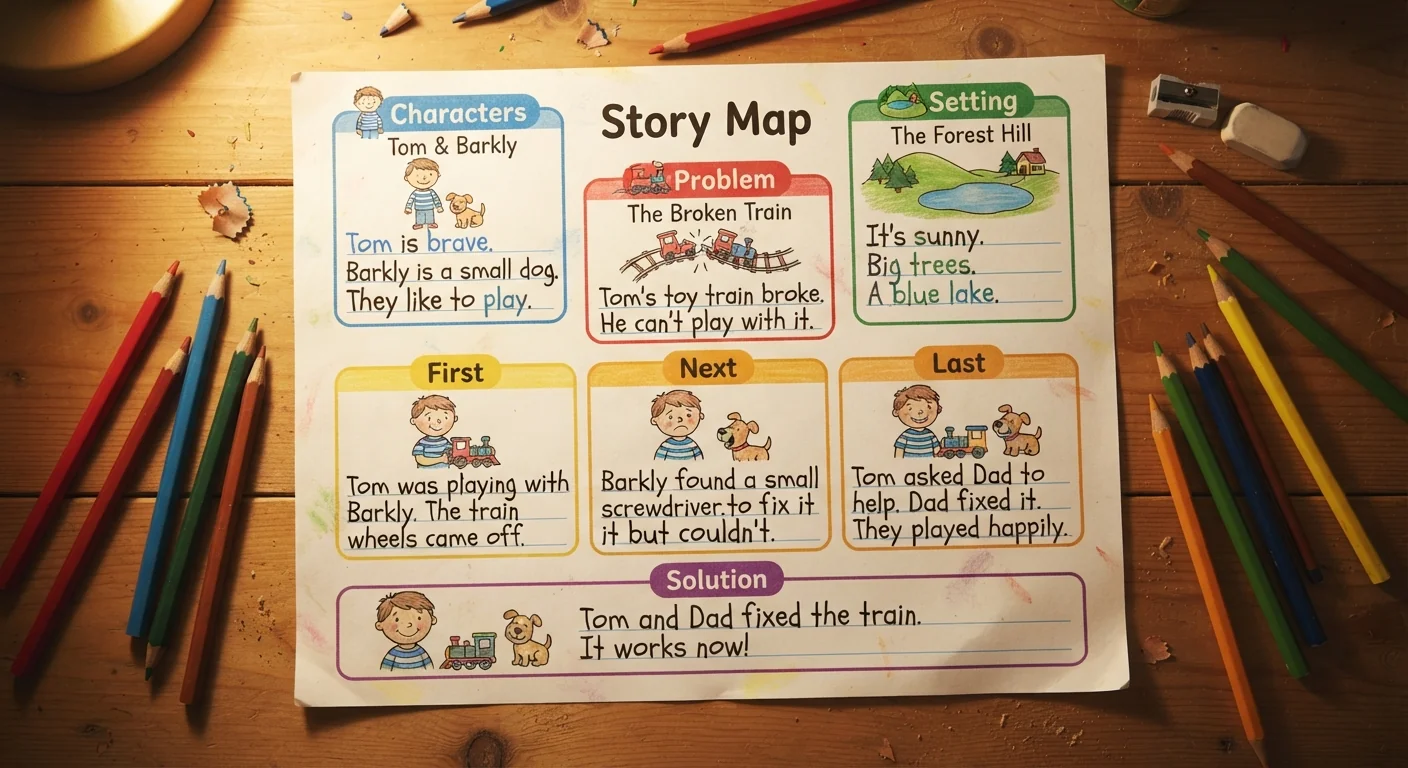
A graphic organizer is a simple chart that shows how the parts of a text connect. For a story map, draw boxes for characters, setting, problem, main events and ending, and let your child fill them in after reading.
Graphic organizers, including story maps, are among the methods the reading panel found to have a solid scientific basis. The map also helps children who understand a story aloud but find it hard to organize on paper.
What a weak answer tells you: an empty problem box is common. Your child knows what happened but not what the story was about, so ask what the main character wanted.
11. Illustrated Summary Journals and Sketchnotes
After reading · Ages: about six to fifteen · Checks: summarizing and picturing the story · Time: ten to fifteen minutes · Materials: a notebook and colored pencils
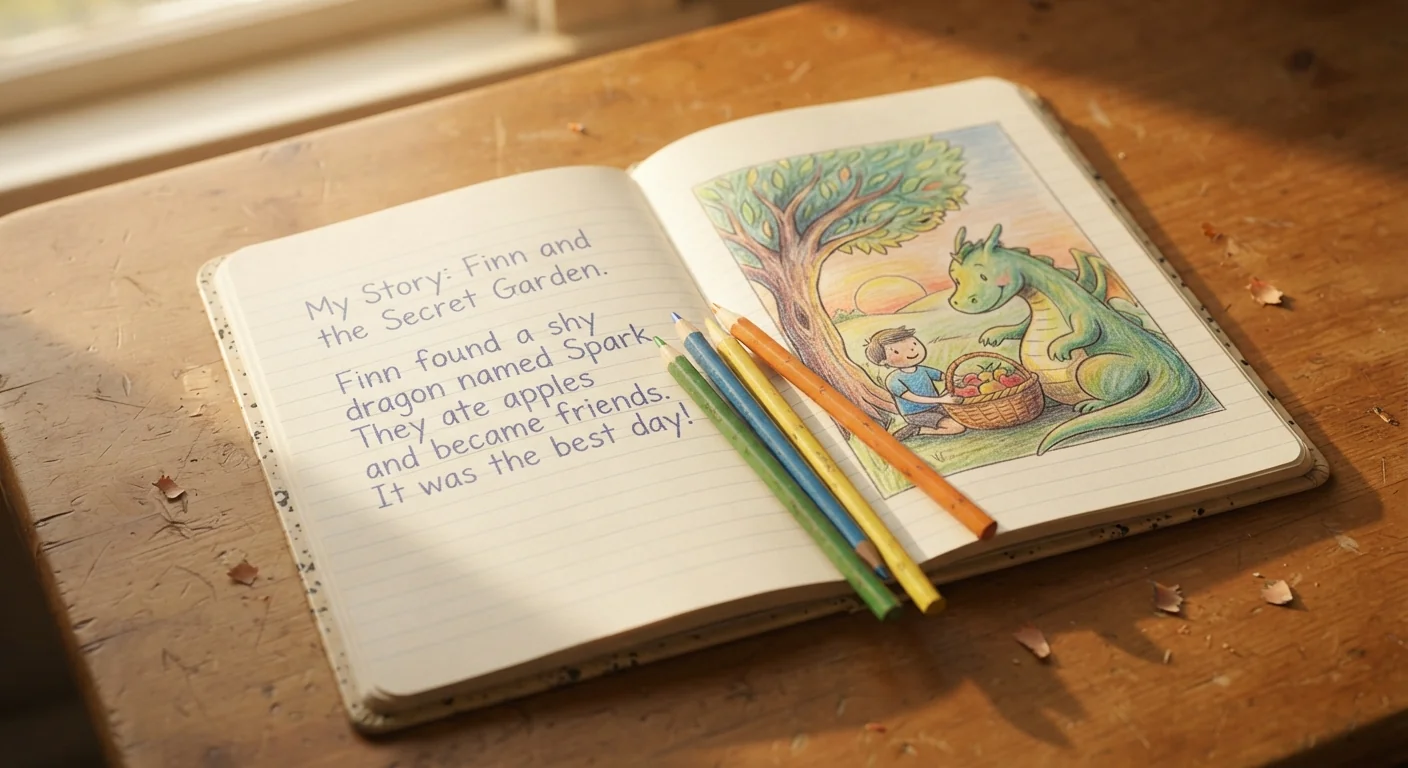
Younger children draw one scene, then write a sentence or two under it. Older readers make sketchnotes: quick drawings, arrows and short phrases for each chapter. Sketchnotes let older readers capture big ideas without getting stuck on sentence structure. A drawing first, then the summary: students of mine who dreaded writing one alone often wrote their most detailed, accurate ones once a drawing came first.
Picturing the story in the mind is one of the strategies in the practice guide, and two studies found large gains from it. Summarizing is also an exam skill. Federal Board English papers for class 9 include a reading passage with questions, including a compulsory summary.
What a weak answer tells you: a summary that copies sentences from the book shows your child can find the text but can’t yet shrink it to the main idea.
12. Compare and Contrast Charts (Venn Diagram)
After reading · Ages: about eight and older · Checks: comparison and evidence · Time: fifteen minutes · Materials: paper with two overlapping circles
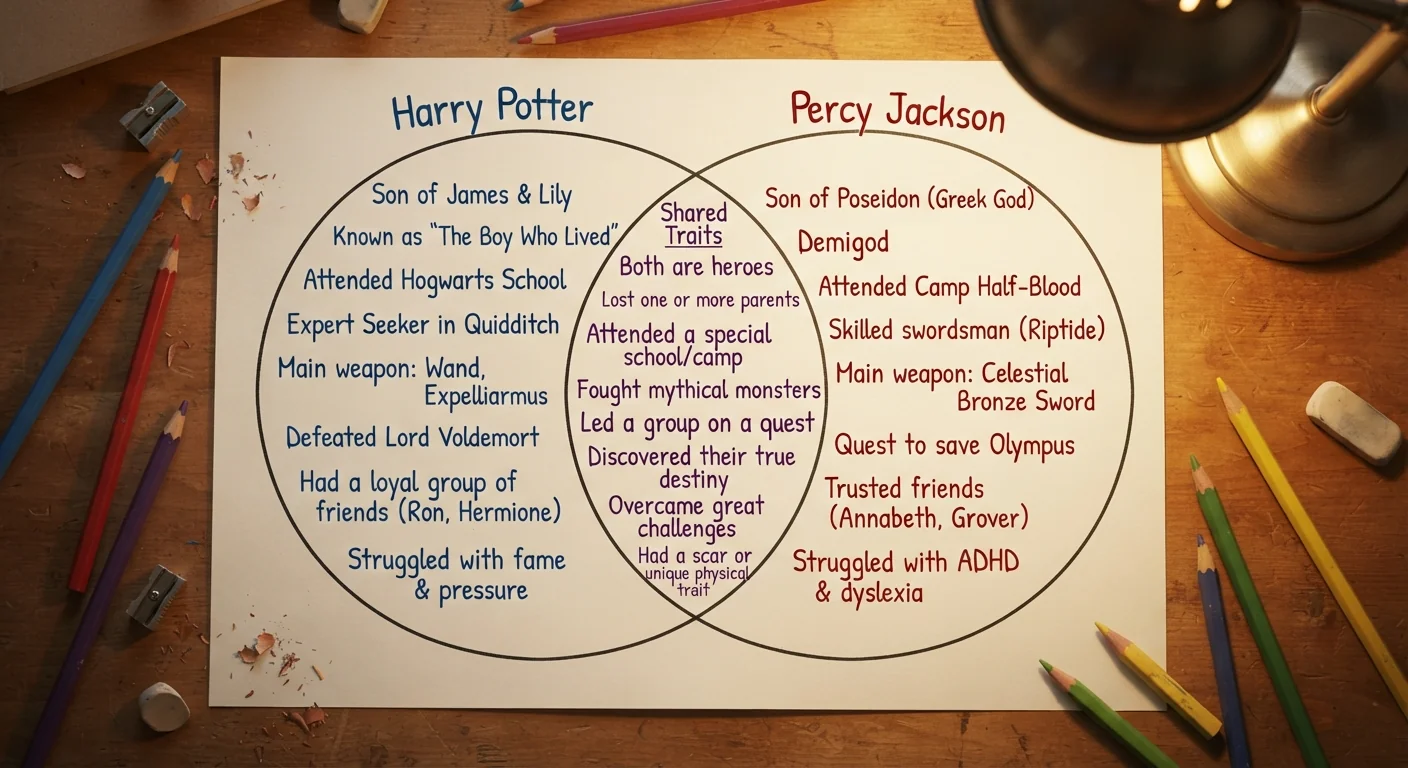
A Venn diagram is two overlapping circles. What belongs only to one side goes in its own circle, and what both share goes in the middle. Compare two characters, two books, or a book and its film.
Ask for a reason from the text for each entry. The middle is often the hardest part, because it asks your child to see what two things have in common.
What a weak answer tells you: a chart of surface details, like names and hair color, with nothing about choices means your child is comparing descriptions, not ideas.
13. Socratic Discussion Circles
After reading · Ages: about eleven and older · Checks: reasoning, evidence and listening · Time: twenty to thirty minutes · Materials: a shared text and one open question
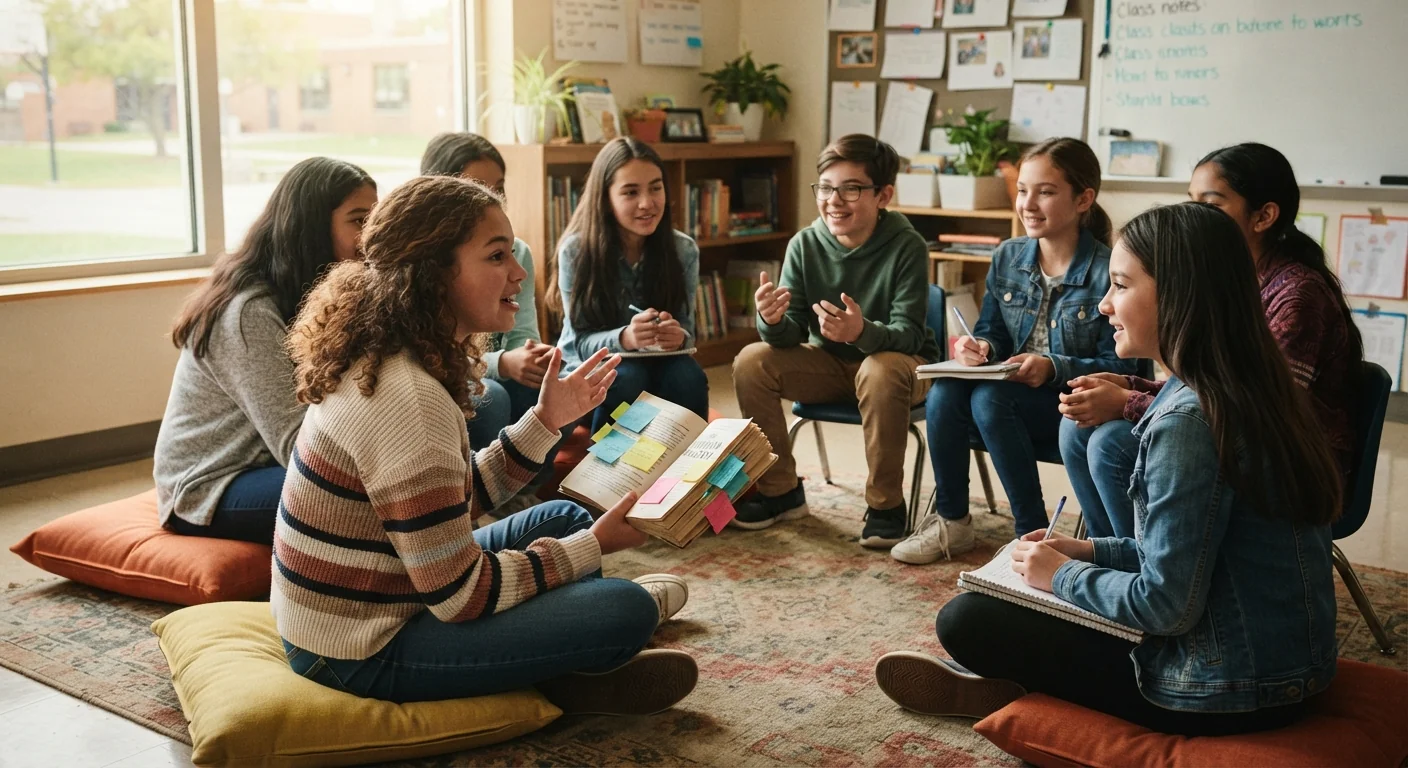
A Socratic circle for kids is a small group discussion built on one open question, such as “Was the main character right to lie?” Readers answer with evidence from the text and respond to each other, not only to the adult. The adult says as little as possible and lets readers challenge each other’s ideas.
Reading experts recommend discussion like this, but the practice guide rates its evidence as minimal, so treat it as good practice, not a proven method. For teenagers with exams ahead, pair it with these study tips for older students.
What a weak answer tells you: a reader who only agrees with someone else, with no reason from the text, is following the group, not the book.
14. Real-World Connection Projects
After reading · Ages: about nine and older · Checks: using ideas beyond the book · Time: a few short sessions · Materials: whatever the project needs
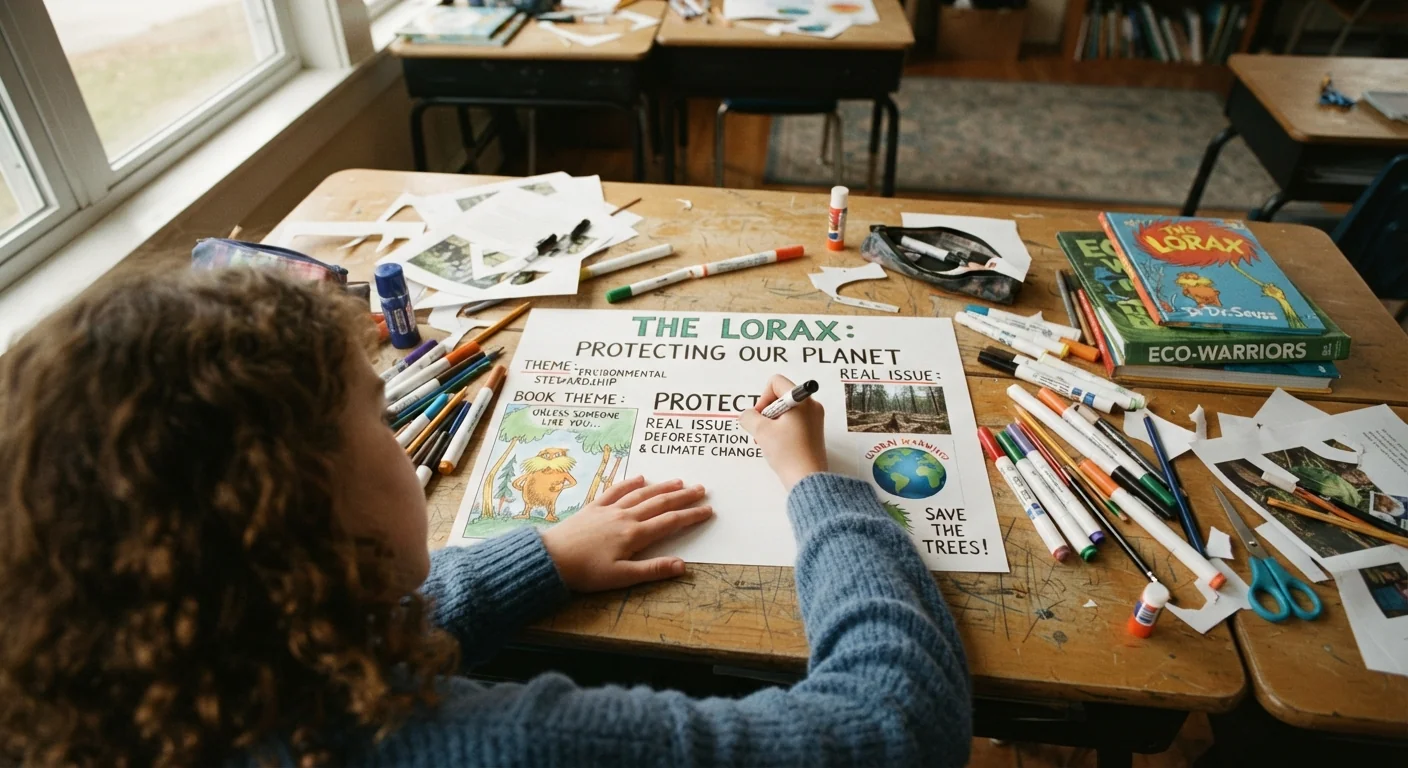
Your child takes an idea from the book into real life: a poster about a problem in the story, or a small survey of family members.
In my classroom, book discussions built around a real-world project were the most memorable of the school year, because the stakes felt real.
What a weak answer tells you: a project that copies facts from the book without linking them to the real issue misses why the book matters.
How do you build comprehension in a second-language reader?
Let your child explain the story in the language they think in, then build the English words. Understanding shown in Urdu is still understanding.
Many children read English at school and think in another language at home: Urdu or Punjabi in Pakistan, Spanish or Arabic elsewhere. A World Bank education blog notes evidence that children who learn to read well in a first language carry those skills into a second one, such as English.
Watch for ratta, the Urdu word for memorizing textbook answers by heart. Memorizing has its place, but a memorized answer can look like understanding, and memorizing without the concept doesn’t last. Ask your child to say the answer again in their own words, in any language.
Federal Board inter English papers also include a reading passage, and one model paper asks students to translate an English passage into Urdu. For exams, reading alone is not enough: understanding the concept, practicing short questions, solving past papers and regular revision all matter. Sab se important (most important of all): read beyond the textbook as well.
Common mistakes that look like comprehension
These four common mistakes can make a child look like a strong reader while the understanding stays thin.
- Turning every activity into a written quiz. The practice guide notes that worksheets rarely teach what a reader should do in their head. Talk first and write later.
- Taking smooth reading aloud as understanding. Check with a retell, not by ear.
- Brushing off questions. A child who hears “not now” too often stops asking, so answer the question, then return to the page.
- Reading only the board textbook. Children read more closely when the topic interests them, so mix in books your child chooses.
When should a parent ask for extra reading support?
Talk to your child’s teacher if your child reads aloud well but still can’t retell a short, simple story after several weeks of regular practice. Other signs include avoiding reading and a clear gap between the words your child uses when talking and how slowly they read aloud.
Before that meeting, try not to compare your child with others. Work with the teacher to find the real problem, set small, achievable targets and praise every improvement, because confidence is part of progress. This list of signs a child needs extra support can help you prepare.
If the teacher shares your concern, ask the school about an assessment. Only a qualified professional can diagnose a reading difficulty, and providers usually use a series of tests to do it.
Not every child who struggles with reading has a learning disability. The International Dyslexia Association says some simply need more structured teaching, and that early help makes sense either way.
FAQ
Why can a child read the words but not understand them?
Decoding, turning letters into words, can run ahead of understanding. To check for the gap, pick a page your child just read smoothly. Ask for a three-sentence retell and one why question. A fluent page with no retell is the gap. A retell that only lists events means your child needs practice linking them with “because”.
Is a short daily session better than one long one on weekends?
There is no research figure for this, so treat any time as a guide. A realistic routine works better than a long one: five to ten minutes after a story, on most days, is enough for many children. No routine fits every child, so build it around your child’s attention, not a fixed timetable.
Do these activities work for both fiction and nonfiction books?
Most of them work with both. Context clues, Venn diagrams, question cubes and real-world projects suit nonfiction especially well, because they are full of new words and facts to compare. Retelling cards, character interviews and story maps lean toward fiction with a clear plot. Mixing both kinds of books helps your child use the same skills on any text.
What if the book is too hard for my child?
Try the five-finger method, a simple check the practice guide suggests, though its evidence is limited. Your child reads one page and folds down a finger for each word that causes trouble. If all five fingers go down on one page, choose an easier book for comprehension work, and keep the harder one for reading aloud together.
Conclusion
Pick one before-reading and one after-reading activity from the age guide, and try them with the next book your child picks up. Afterward, ask your child to explain the story in their own words. Answer their questions as they come, because that is where confidence starts. On days away from books, these screen-free learning activities build the same habits.
AI helped research and draft this article from Syeda Misbah Hasnain’s recorded answers and checked sources; all images are AI-generated.