
Every child has an off week at school, so it can be hard to know when a slow patch is normal and when it signals something worth addressing. Signs a child needs academic help rarely show up as one dramatic moment; they build quietly across weeks, in small patterns most parents only notice in hindsight. Rather than reacting to one isolated bad day, I have learned to watch for a cluster of these signals together. This list walks through eighteen patterns worth paying attention to, explained plainly, so you can respond early and calmly instead of waiting for a report card to confirm what you already sensed.
Start Here: Sudden Grade Drops
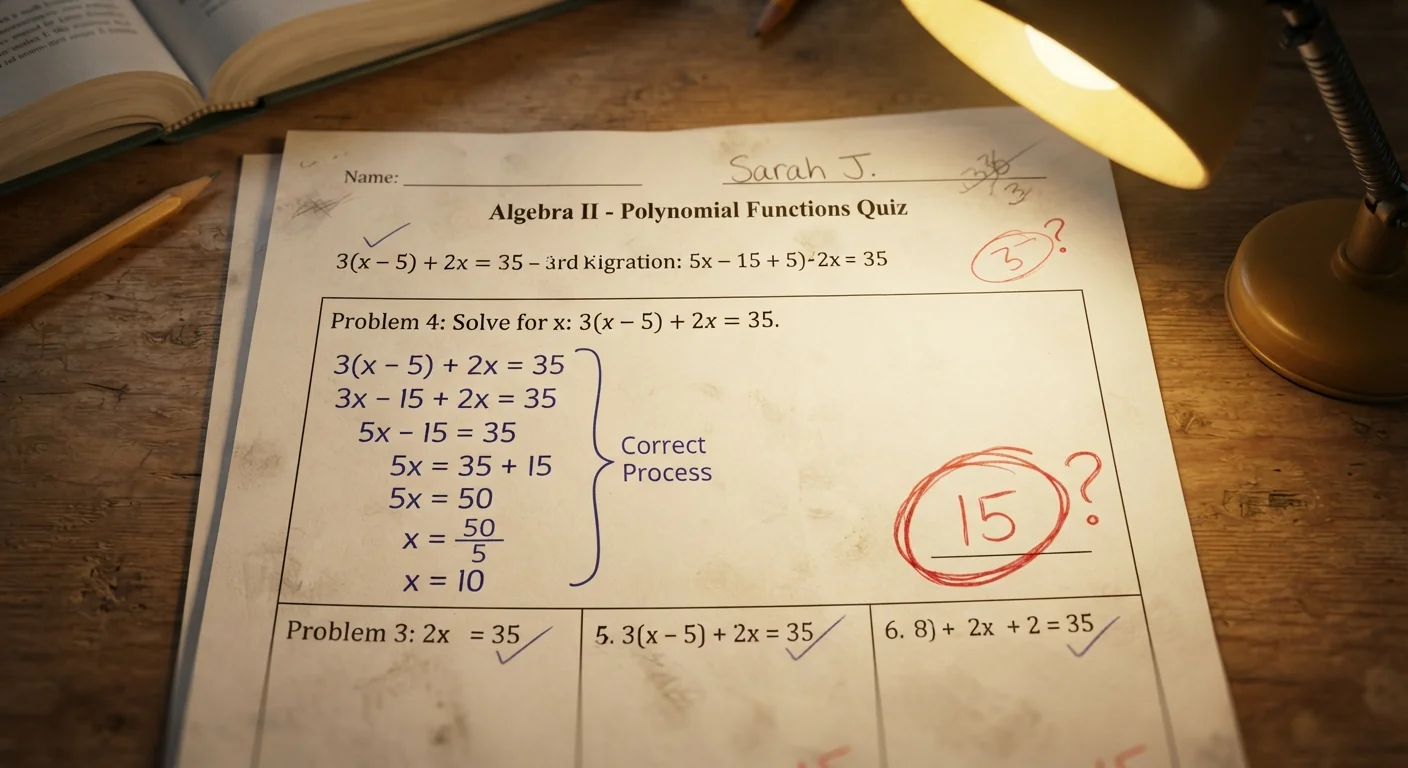
A sharp, unexplained drop in grades is the clearest and fastest signal to act on, since it usually points to a specific, fixable gap rather than a vague overall struggle.
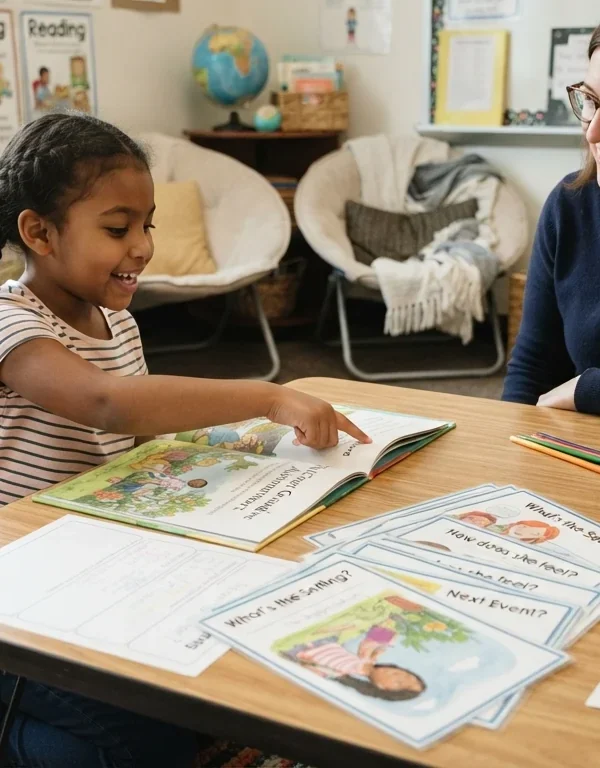
Reading Fluency Struggles
- Reading noticeably slower than classmates of the same age is one of the earliest visible signs.
- Frequent word-guessing based on the first letter, rather than sounding out the full word, is a common pattern.
- Losing the thread of a sentence partway through often points to a fluency gap, not a comprehension one.
- Skipping small connector words like ‘the’ or ‘and’ repeatedly is worth tracking over a few weeks.
Reading fluency struggles show up as choppy, effortful reading rather than smooth, connected sentences a child’s age would typically produce. A student might sound out nearly every word individually, even ones they’ve seen dozens of times before, which drains so much mental energy that little is left over for actually understanding the story. I usually notice this pattern first during read-aloud time, when the gap between a child’s spoken vocabulary and reading pace becomes hard to miss.
What makes this sign worth tracking is the gap between how a child talks and how they read aloud. A child who tells detailed, well-structured stories out loud but stumbles constantly over a simple picture book is showing a real mismatch worth noticing. This isn’t about reading perfectly on the first try, since every reader slows down occasionally, but about a consistent pattern across weeks. Catching it early, before frustration sets in, makes the eventual support far more effective and far less stressful for everyone involved.

Avoiding Homework Tasks
A child who used to sit down and start homework without much resistance, but has recently started stalling, complaining, or outright refusing, is often sending a signal worth listening to. Most people assume this is simply a motivation problem, but actually it’s frequently an avoidance strategy built around not wanting to face material that feels confusing or embarrassing. Stalling tactics like sudden bathroom trips, snack requests, or claiming there’s no homework at all tend to escalate specifically around certain subjects rather than appearing evenly across every assignment a child brings home.
The subject-specific pattern is the real clue here. A child avoiding only math homework while cheerfully doing a reading log points somewhere very different than a child avoiding everything equally across the board. More than once, I have watched capable students quietly abandon a subject the moment it felt unmanageable, long before a parent saw anything unusual on a report card. Paying attention to which specific homework gets avoided, rather than treating all avoidance the same way, usually reveals exactly where the real gap sits, and often much sooner than a grade ever would.

Sudden Grade Drops
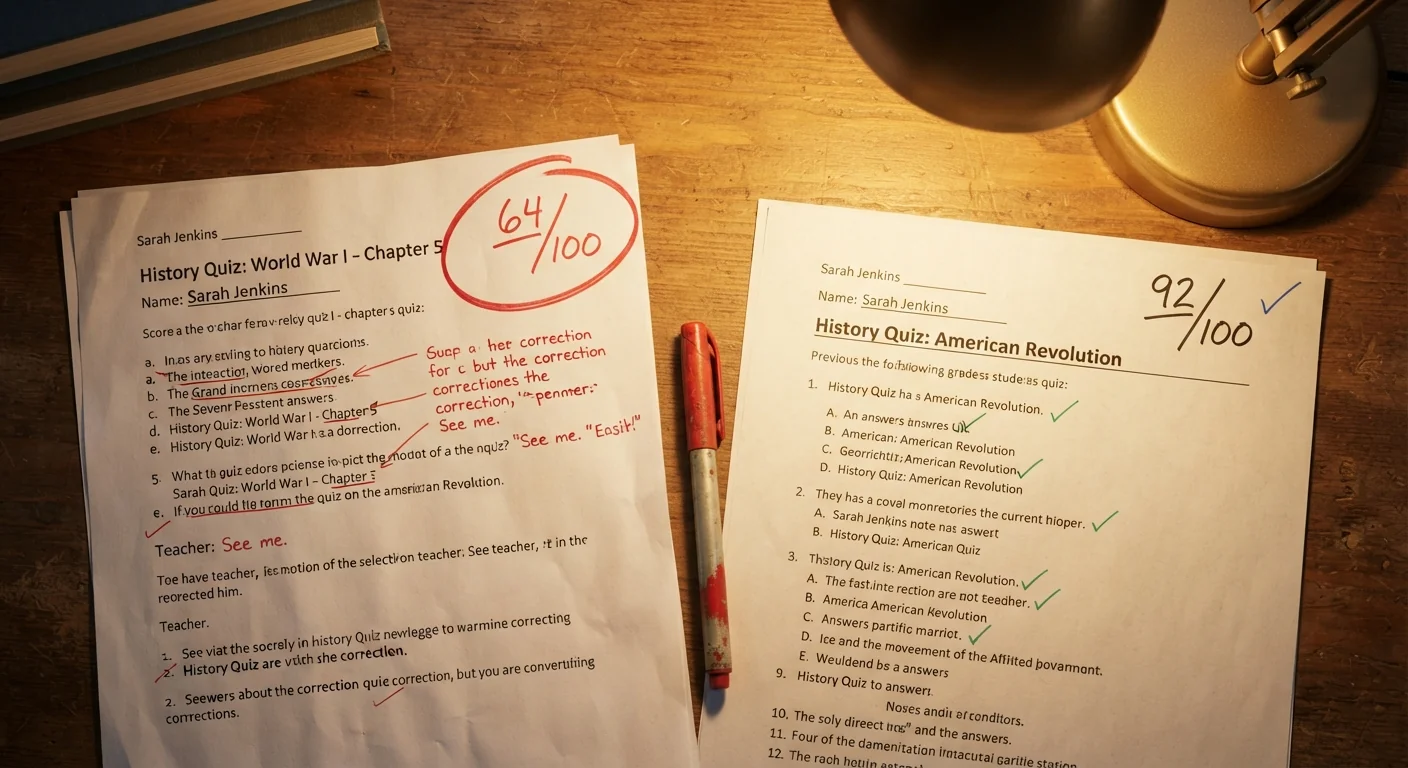
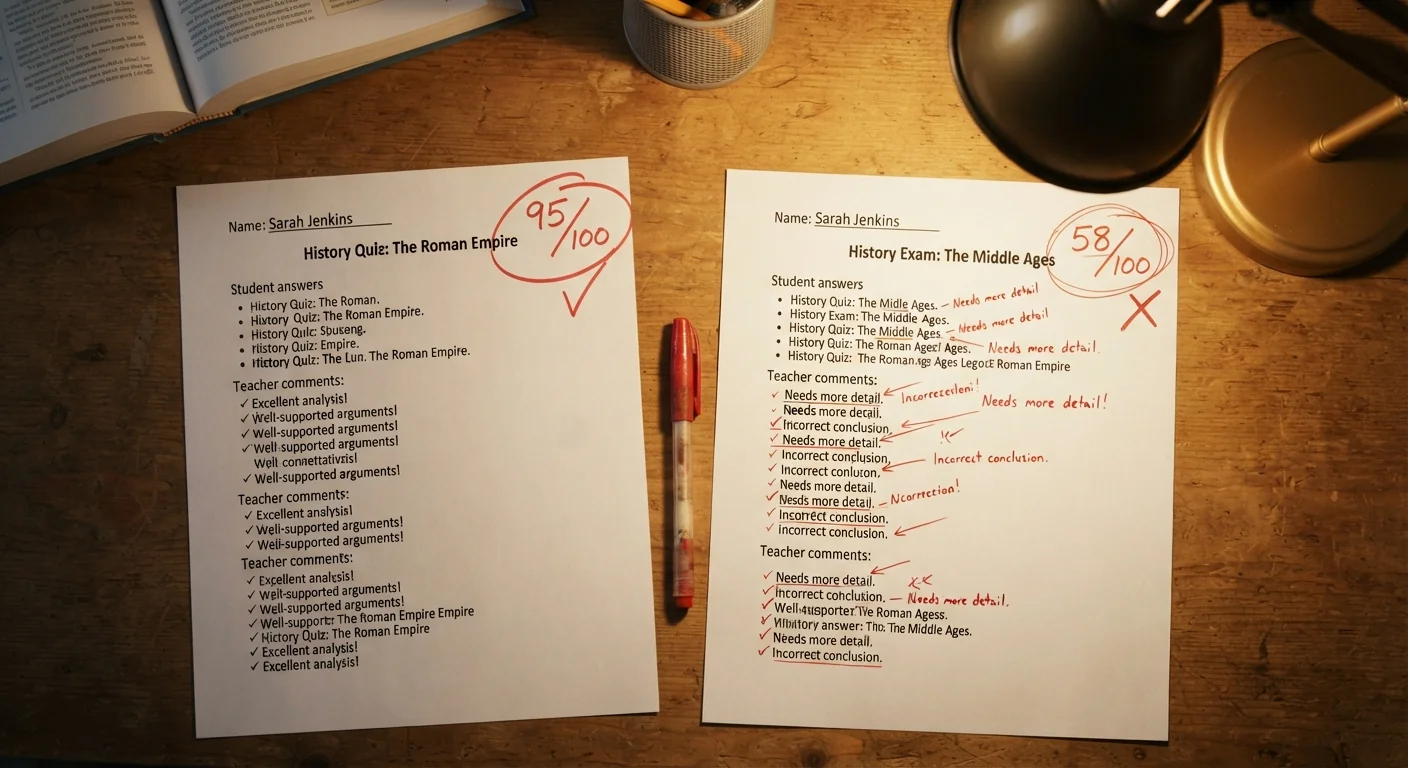
A single low grade rarely means much on its own, since every student has an off day, a rushed assignment, or a topic that simply didn’t click the first time around. What matters far more is a pattern: grades sliding steadily across several weeks, or a sharp drop that lines up with a new unit, a new teacher, or a harder textbook chapter. This kind of drop usually signals a specific gap opening up somewhere, not a general decline in effort or ability, which is an important distinction for figuring out what kind of support actually helps.
The most useful thing a parent can do here is compare recent work to the same child’s work from a few months back, rather than comparing to classmates. A drop from consistently high marks to noticeably lower ones is a much stronger signal than a naturally average student having one weaker unit. The students who caught up fastest, in my experience, had families who noticed this shift early and asked specific questions instead of waiting for a report card to confirm it.
- A drop across several assignments in one subject matters more than a single low grade on one test.
- Grades falling right after a new unit or teacher change often points to a specific new gap.
- A sudden drop paired with visible frustration at home is a stronger signal than the grade alone.
- Comparing recent grades to the same child’s grades from a few months earlier reveals the real pattern.
Trouble Following Directions
A child who consistently completes only the first step of a multi-step instruction, then stops or does something unrelated, is often struggling to hold several directions in mind at once rather than being careless or defiant. This shows up in worksheets with two or three instructions, in verbal requests like ‘grab your shoes, get your bag, and meet me at the door,’ and in classroom tasks with multiple sequential steps. It’s easy to mistake this for not listening, when the real issue is often that the working memory needed to hold the full sequence simply gets overloaded partway through.
This is worth distinguishing from a child who simply chooses not to follow directions, since the pattern and the child’s reaction look different. A child struggling with multi-step directions often seems genuinely confused or frustrated afterward, sometimes asking what they’re supposed to do next even right after being told, rather than appearing defiant. Breaking instructions into single steps and checking in after each one is usually how I find out whether a student understood the sequence or lost track in the middle.

Poor Organizational Skills
- Losing completed homework between finishing it and turning it in is a very common organizational sign.
- A backpack packed with crumpled, undated papers from weeks earlier often points to this same struggle.
- Forgetting which books or materials are needed for which class most days is worth tracking.
- Consistently underestimating how long an assignment will take can also stem from organizational gaps.
Some children genuinely understand the material but lose points and momentum purely from disorganization, not from any gap in actual knowledge. This looks like finished homework that never makes it out of the backpack, permission slips that vanish for days, or a desk and folder so cluttered that finding anything specific takes several frustrating minutes. It’s a genuinely different kind of struggle than a content gap, and treating it the same way, by reviewing math facts or spelling words again, misses the actual problem entirely and leaves a capable student still losing points for reasons that have nothing to do with what they actually know.
The tricky part is that organizational struggles often get labeled as laziness or carelessness, which genuinely isn’t fair or accurate for most children experiencing this pattern. Some of the strongest thinkers I have taught lost significant credit simply because a finished assignment stayed buried in a backpack for a week. A simple, consistent system, like one folder for ‘to turn in’ and a different one for ‘to keep,’ often closes this gap faster than any amount of content review ever could on its own.

Difficulty Retaining Information
A child who seems to understand a concept clearly during a lesson, but can’t recall it just a day or two later, is showing a retention gap rather than a comprehension one. This is a genuinely different problem than not understanding something in the first place, and it calls for a different response. Parents sometimes describe this as their child ‘getting it and then losing it,’ which is actually a fairly accurate description of what’s happening: the information was processed in the moment but never moved into longer-term memory in a way that holds.
This pattern is worth distinguishing from a general learning struggle, since retention issues often respond well to specific strategies rather than more repetition of the same teaching method. Spacing review sessions out across several days, rather than covering something once and moving on, tends to help significantly. Students of mine with this pattern often did better once review was spread across a week instead of one sitting, which suggests the understanding was there but not yet anchored.

Slow Processing Speed
- Needing noticeably more time than classmates to finish the exact same assignment is a common early sign.
- Understanding a concept correctly when given extra time, but running out during timed tasks, points here.
- Copying information from the board slower than peers, even when the content itself is understood.
- Appearing rushed and making small errors specifically during the final minutes of timed work.
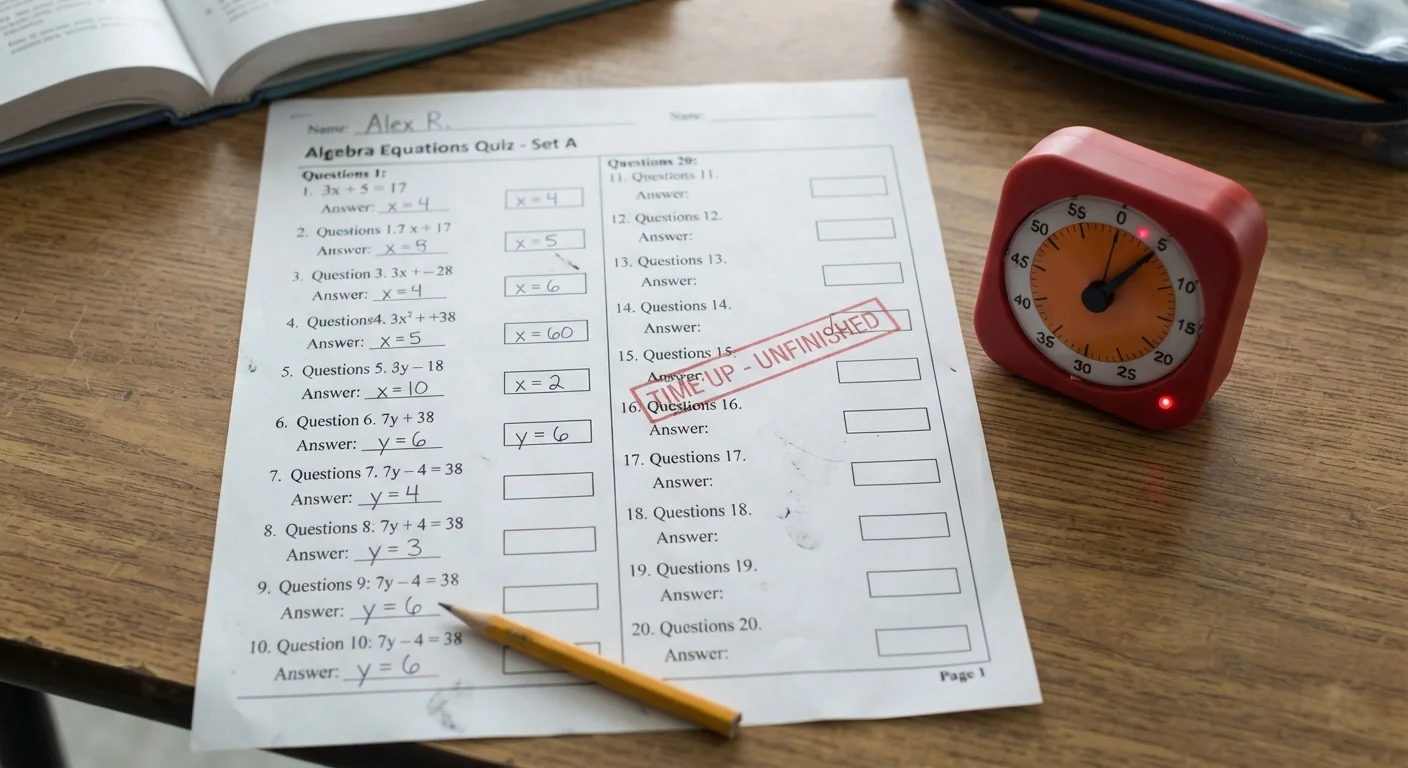
Some children genuinely know the material well but need more time than their classmates to process information, write it down, or move between tasks. This shows up most clearly during timed assignments, where a child who answers correctly when given extra time suddenly makes errors or leaves questions blank once a clock is involved. It’s a meaningfully different issue than not understanding the content, and mistaking one for the other often leads to more content review when what would actually help is more time or fewer timed constraints.
Once a timer started, I have seen students who understood a concept in untimed discussion freeze completely; processing speed and content mastery are separate skills. A useful way to check this at home is comparing how a child performs on the exact same type of problem with and without a strict time limit. A big gap between those two results is a strong signal worth discussing with a teacher, since accommodations like extra time often solve this far more effectively than additional practice alone.
Frequent Careless Errors
There’s a real difference between a child who doesn’t understand a concept and a child who understands it well but consistently loses points to small, avoidable errors, like copying a number wrong or missing a negative sign. This second pattern is worth paying attention to on its own, since it often points to rushing, attention slips, or difficulty double-checking work carefully rather than any actual gap in knowledge. A child making this kind of error repeatedly across several assignments, in a subject they otherwise seem to grasp well, is showing a pattern distinct from not knowing the material.
The fix here looks different from reteaching content, which is exactly why this sign matters as its own category. Slowing down, building in a specific checking step, or reducing distractions during work time often closes this particular gap far faster than reviewing the underlying concept again. What these students needed, I found, was a habit of pausing before submitting work, not another explanation of material they already knew well.
Limited Vocabulary Growth
Vocabulary growth is easy to overlook because it happens gradually, but a child whose word choices stay noticeably simple month after month, or who relies heavily on vague filler words instead of specific ones, may be missing exposure or practice that would otherwise happen naturally through reading and conversation. This isn’t about using impressively big words for their own sake, but about having a wide enough range of specific vocabulary to express and understand ideas clearly, both in writing and in everyday classroom discussion where precise language genuinely matters for full comprehension.
With my students, limited vocabulary often showed up first in writing, where their spoken explanations sounded far richer and more detailed than what reached the page. This gap between spoken and written vocabulary is a useful thing to watch for at home too. Reading aloud together, discussing unfamiliar words as they come up naturally, and encouraging a child to describe things in more specific detail during everyday conversation all help build this gap back up steadily over time, without ever needing to feel like a formal vocabulary lesson.
- Relying heavily on general words like ‘thing’ or ‘stuff’ instead of specific, precise vocabulary is common.
- Struggling to understand a written passage specifically because of unfamiliar words, not the overall idea.
- Vocabulary that hasn’t noticeably expanded over several months, compared to a sibling or peer at a similar age.
- Frequently asking what a word means during conversations that use fairly common, everyday language.

Math Concept Confusion
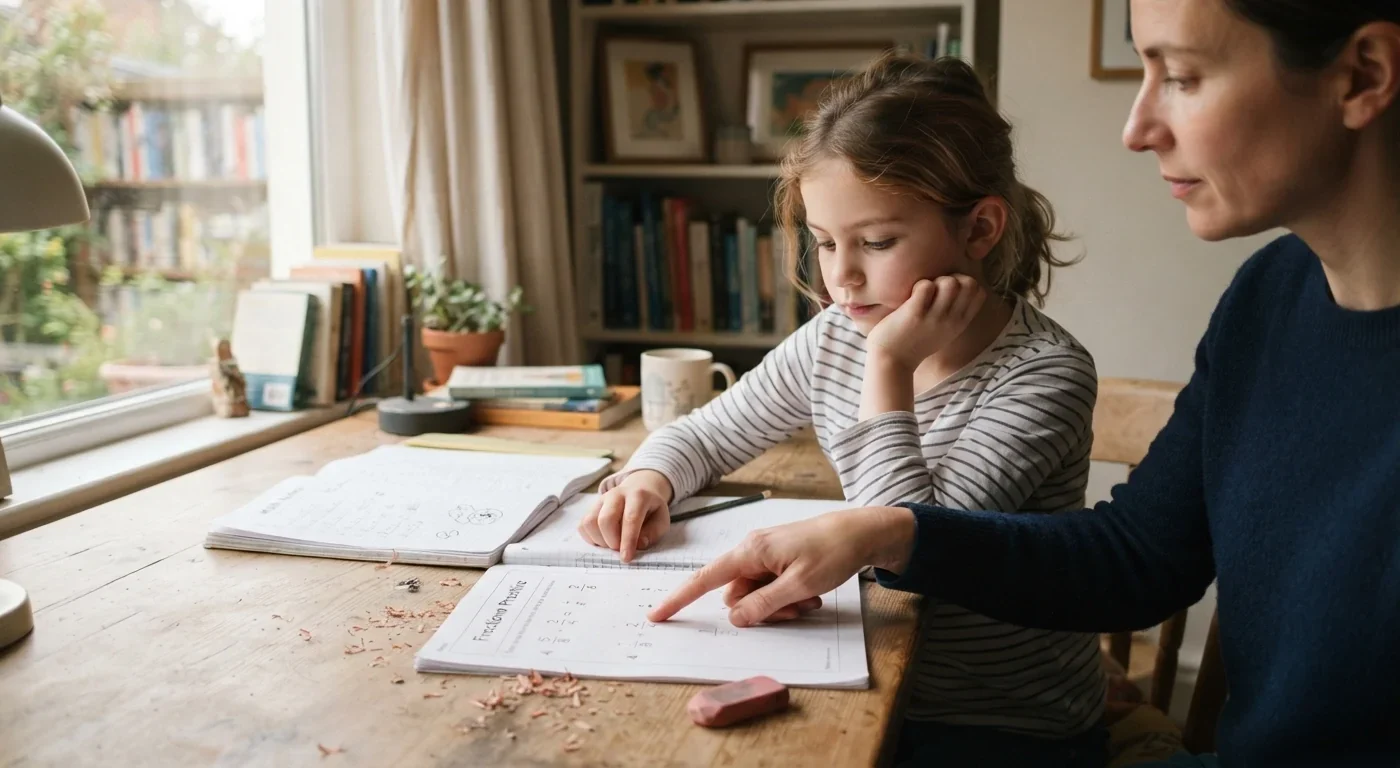
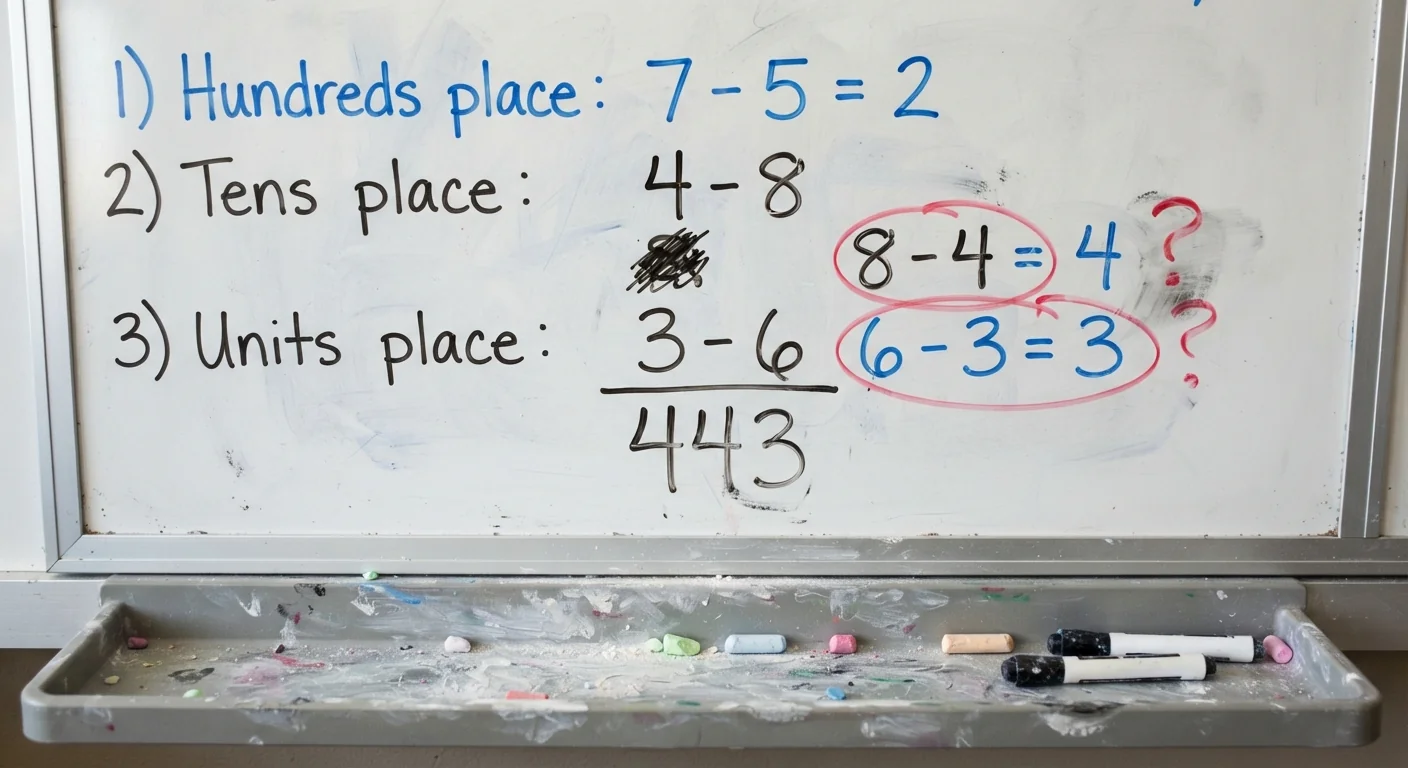
Math builds directly on itself, so confusion around one specific concept, like regrouping in subtraction or understanding fractions as parts of a whole, tends to quietly cause trouble in every lesson that depends on it afterward. A child might seem to be struggling broadly with math when the real issue is actually one specific foundational gap from months earlier that never fully closed. Identifying exactly which concept the confusion traces back to, rather than assuming the whole subject is simply hard for this particular child, usually makes the eventual fix much faster and far less discouraging.
Many times, I have traced what looked like broad math struggles back to one missed concept from an earlier unit. A child who never fully grasped place value, for example, will predictably struggle with multi-digit addition, subtraction, and eventually multiplication, even though each new lesson looks unrelated on the surface. Asking a teacher specifically which foundational skill a current struggle connects back to, rather than just requesting general extra math practice, tends to target the real gap far more precisely.
Low Classroom Participation
- A child who rarely raises a hand, even when they likely know the answer, is worth noticing.
- Avoiding eye contact or volunteering specifically during subjects that feel harder for that particular child.
- A noticeable gap between how much a child talks at home versus how little they speak in class.
- Preferring to stay quiet during group work rather than sharing ideas with classmates nearby.
A child who used to participate actively but has gradually gone quiet, especially during one particular subject, is often protecting themselves from the risk of being wrong in front of classmates. This kind of withdrawal is easy to mistake for shyness or a personality trait, when it’s frequently a response to feeling less confident in that specific area. I have seen bright students stop raising their hands in math once they felt behind, while staying animated and talkative in subjects where they still felt capable.
The subject-specific nature of this pattern is the real clue worth paying attention to. A child who’s quiet across every single class is showing something different than a child who’s chatty and engaged everywhere except one particular subject. That narrower pattern almost always points to a confidence gap tied to specific content, not a general personality trait. Rebuilding participation usually starts with small, low-risk wins in that exact subject, giving a child a genuine reason to trust that speaking up there won’t lead to embarrassment.

Frustration During Homework
Occasional homework frustration is completely normal, but a pattern of tears, anger, or shutting down specifically during certain subjects is a stronger signal worth paying close attention to. This kind of reaction usually means the material feels genuinely overwhelming rather than just mildly annoying, and pushing through with more of the same approach night after night tends to make the frustration worse rather than better. A child melting down over spelling words but breezing calmly through science homework the same evening is showing exactly where the real struggle sits, even without saying a single word about it.
Teaching has shown me that this kind of frustration is rarely about laziness or a bad attitude, even though it can look that way in a frustrated moment. It’s much more often a sign that a child feels stuck and doesn’t have the tools to work through the confusion on their own yet. Naming the pattern calmly, rather than pushing harder through the same nightly struggle, and reaching out to a teacher about that specific subject usually helps far more than extra practice sheets ever manage to on their own.

Trouble Summarizing Information
- Retelling a story by listing random details rather than the actual main sequence of events.
- Struggling to answer ‘what was this mostly about’ after reading something relatively short and simple.
- Including too many minor details while missing the central point of a passage or lesson entirely.
- Needing several guiding questions just to identify the single main idea of a short paragraph.
Summarizing requires pulling out the most important ideas from a passage or lesson while setting the smaller details aside, which is a genuinely harder skill than it looks and one many children need direct practice with. A child who can recall a long list of scattered details from a story, but can’t identify what the story was actually mostly about, is showing a specific comprehension gap worth addressing directly rather than assuming they simply weren’t paying attention while reading or listening to the material in the first place.
This skill matters well beyond reading class, since summarizing shows up in science lab reports, social studies notes, and even in following multi-step verbal instructions accurately. In my classroom, I often ask students to explain something in just one or two sentences before moving on, which reveals immediately whether the main idea landed or whether only scattered fragments stuck. Practicing this specific skill at home, by asking a child to summarize a short story or a school day in exactly one sentence, builds this exact muscle in a low-pressure, genuinely useful way.

Difficulty Staying Focused
Every child’s attention wanders occasionally, but a consistent pattern of drifting off mid-task, needing frequent redirection, or losing track of an assignment partway through is worth noticing over time. This looks different from a child who simply dislikes a task; a focus struggle often shows up even during activities a child genuinely enjoys, not just during boring or difficult ones. Tracking when and where this happens, rather than assuming it’s a blanket issue across every single subject and setting, usually reveals a clearer, more useful pattern underneath the surface.
Focus struggles in my class often looked less like daydreaming and more like a child starting a task with enthusiasm, then drifting to something else without noticing. Shorter work sessions with a clear, defined end point often help far more than longer, unbroken stretches of homework time. Noticing whether this pattern shows up everywhere or mainly during specific types of tasks gives a teacher genuinely useful information to work with when figuring out what kind of support would help most.

Inconsistent Test Performance
A child whose test scores swing widely, doing genuinely well on some and surprisingly poorly on others covering similar material, is showing a pattern worth investigating rather than dismissing as simple luck or an off day. This inconsistency can point to several different underlying issues: real test anxiety, gaps in specific sub-skills within a broader topic, or trouble applying knowledge under timed, formal conditions, even when that same knowledge is clearly solid during regular daily classwork and homework practice throughout the rest of the week.
Test nerves can hide real understanding: some students I taught explained a topic well in class, then froze on the formal test for that same unit. Comparing a child’s daily classwork performance to their test performance on the same material is genuinely useful here; a big, consistent gap between the two usually points toward anxiety or test-taking skills as the real issue, rather than the underlying content knowledge itself needing any further review or reteaching.
- Strong scores on some tests followed by surprisingly weak ones on similar material shortly after.
- Performing well on homework covering a topic but poorly on the test for that same exact unit.
- Test anxiety symptoms, like stomachaches or a sudden blank mind, appearing specifically before exams.
- A wide gap between daily classwork performance and formal test performance on the same content.
Reluctance to Read Aloud
A child who avoids reading aloud, whether at school or at home, whenever there’s a way to opt out, is often protecting themselves from the discomfort of stumbling over words in front of an audience. This reluctance is worth taking seriously rather than simply pushing past, since forcing reading aloud before addressing the underlying discomfort often makes the avoidance worse rather than better. Often, the same students read silently just fine in my class, or close to it, which is an important clue about where the real struggle sits.
The gap between silent reading comfort and aloud reading avoidance is the real signal here, more than the avoidance itself. A child who reads confidently alone but visibly dreads reading aloud is usually dealing with performance anxiety layered on top of a smaller fluency gap, rather than a fundamental inability to read the material at all. Low-pressure reading practice at home, without an audience watching or correcting every stumble, often rebuilds this confidence gradually before a child is ever asked to read aloud again in a more public classroom setting.

Trouble With Sequencing Steps
- Retelling a story or event with the middle and end accidentally swapped around most times.
- Struggling to follow a multi-step recipe, science experiment, or craft project in the correct order.
- Difficulty explaining ‘what happened first’ clearly when describing a school day or a story plot.
- Math word problems solved with the right numbers but in a noticeably wrong order of operations.
Sequencing, or putting events and steps in the correct order, underlies far more schoolwork than most parents realize, from science experiments to story retelling to multi-step math problems. A child who struggles specifically with order, even while understanding each individual piece of information just fine, is showing a distinct skill gap worth naming clearly rather than lumping in with general comprehension struggles. This pattern often shows up first in retelling a story, where the beginning, middle, and end get jumbled even though the child clearly remembers all the actual content.
My approach is to practice ‘first, next, then, last’ language explicitly with everyday events, like getting ready for school in the morning, before applying it to academic content. This low-pressure, everyday practice tends to transfer surprisingly well into schoolwork once the underlying pattern clicks. Noticing whether a child mixes up order specifically, rather than misremembering content entirely, helps a teacher target exactly this skill instead of reviewing unrelated material that wouldn’t actually address the real gap.

Negative Talk About School
Comments like ‘I’m just bad at this’ or ‘I hate school’ said repeatedly, rather than as a one-off complaint after a rough day, are worth listening to closely rather than brushing off as typical kid grumbling. This kind of consistent negative self-talk often reflects a child who has genuinely started to internalize struggle as a fixed part of their identity, rather than as a temporary, fixable gap in one specific skill. Left unaddressed, this mindset can quietly become more limiting than the original academic struggle that caused it in the first place.
Recovery from a rough academic patch was fastest, in the students I taught, when families and teachers responded to this kind of talk, not only to grades or test scores. Asking a genuinely curious follow-up question, like ‘what part feels hardest right now,’ rather than immediately reassuring or dismissing the comment, usually reveals exactly where the discouragement is rooted. Addressing that specific root, calmly and without alarm, tends to shift both the mindset and the underlying academic struggle together over time.

FAQ
How many of these signs need to show up before I should be concerned?
One isolated sign rarely means much on its own, but two or three showing up together over several weeks, especially in the same subject, is worth a closer look. Pay attention to patterns that repeat consistently rather than single off days, and don’t wait for a report card to confirm what you’re already noticing at home.
Should I talk to the teacher first or try to help at home first?
Both, but starting with the teacher usually gives you more useful information first. A teacher can tell you whether the pattern shows up at school too, or only at home, which changes what kind of support actually helps. From there, you can combine a teacher’s classroom insight with small, low-pressure practice at home.
Could this just be a phase my child will grow out of?
Sometimes, yes, especially around a big life change like a new school year or a family transition. But a pattern lasting more than a few weeks, or one causing real frustration and negative self-talk, is worth addressing directly rather than waiting to see if it resolves on its own with time.
What’s the first step if I notice several of these signs at once?
Reach out to your child’s teacher with specific examples, rather than a vague concern, since specifics help pinpoint exactly what’s happening. From there, many schools offer extra support options, and small, consistent adjustments at home often make a real difference well before anything formal needs to happen.
Is it normal for these signs to appear in only one subject?
Yes, and that’s actually a genuinely useful clue. A struggle confined to one subject usually points to a specific, fixable gap in that particular area, while struggles across every subject point somewhere broader. Either way, noticing exactly where the pattern is concentrated helps target support far more precisely.
Conclusion
Noticing signs a child needs academic help isn’t about labeling them or panicking over one rough week — it’s about paying close attention to real patterns and responding with curiosity instead of pressure. Every sign on this list points toward a specific, fixable gap, not a fixed limit on what your child can do. The earlier these patterns get named calmly, the easier they are to address before frustration or self-doubt sets in. Save this list for the weeks when something feels slightly off but hard to name, try naming the exact pattern you’re seeing, and share it with another parent who might be quietly wondering the same thing about their own child right now.