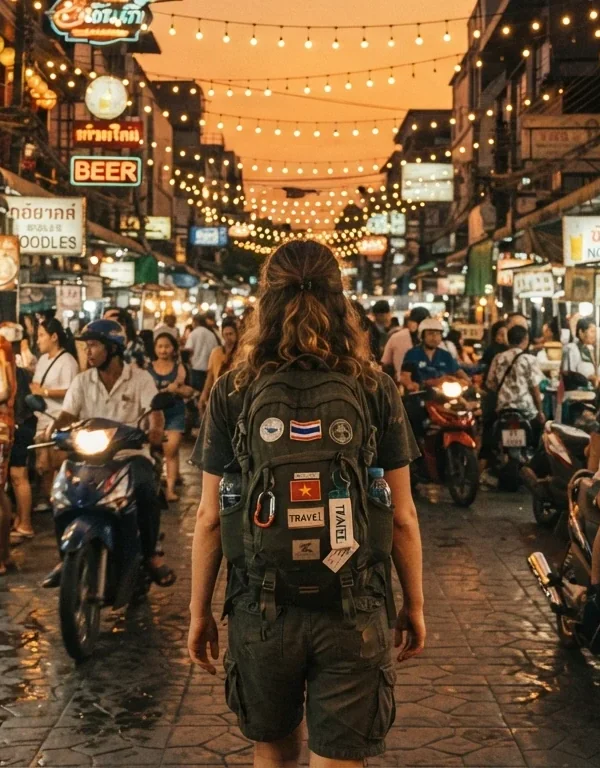

Five days in Japan sounds tight until the itinerary is actually mapped out with a budget in mind. This 5 day Japan itinerary for budget travelers covers Tokyo, a Kyoto day trip, and an optional Osaka detour, without assuming an unlimited transport budget or a hotel-every-night plan. It’s built for first-time visitors who want the temples, the neon streets, and the food stalls, while still tracking what each day actually costs. Along the way, it breaks down when the Japan Rail Pass is worth buying, where the free attractions hide, and how far a modest daily budget genuinely stretches across five packed but realistic days.
Start Here: JR Pass Cost Math
Getting this decision right before the trip starts affects every other budget line on the itinerary, and it’s the single easiest place to overspend on a short trip without realizing it.
Tokyo Arrival Day
Day one is best treated as a transition day rather than a sightseeing day. Flights into Tokyo often land in the afternoon, and by the time immigration, luggage claim, and the train into the city center are finished, there’s rarely much usable daylight left for major attractions. Budget travelers benefit from accepting this reality rather than fighting it, since forcing a full itinerary onto arrival day usually just produces exhaustion that carries straight into day two, which is exactly where the real sightseeing schedule needs full energy to work properly.
A short walk near the hotel, a convenience store meal, and an early night tend to set up the rest of the trip far better than a rushed evening excursion ever would. This is also the natural point to confirm the IC card balance, double-check the following day’s train times, and get a general sense of the neighborhood layout before it needs to be navigated at speed. Tokyo’s train system rewards a bit of quiet orientation time before it gets used at full pace, and day one is the obvious, lowest-stakes place for that adjustment to happen.
- Land in the morning where possible, since arrival-day jet lag eats less into a short five-day window.
- The Narita Express or a budget limousine bus both connect the airport to central Tokyo in under 90 minutes.
- Picking up an IC card at the airport station saves fumbling with paper tickets for the rest of the trip.
- A light first evening near the hotel, rather than a big outing, keeps energy for the packed days ahead.
Senso-ji Temple Morning
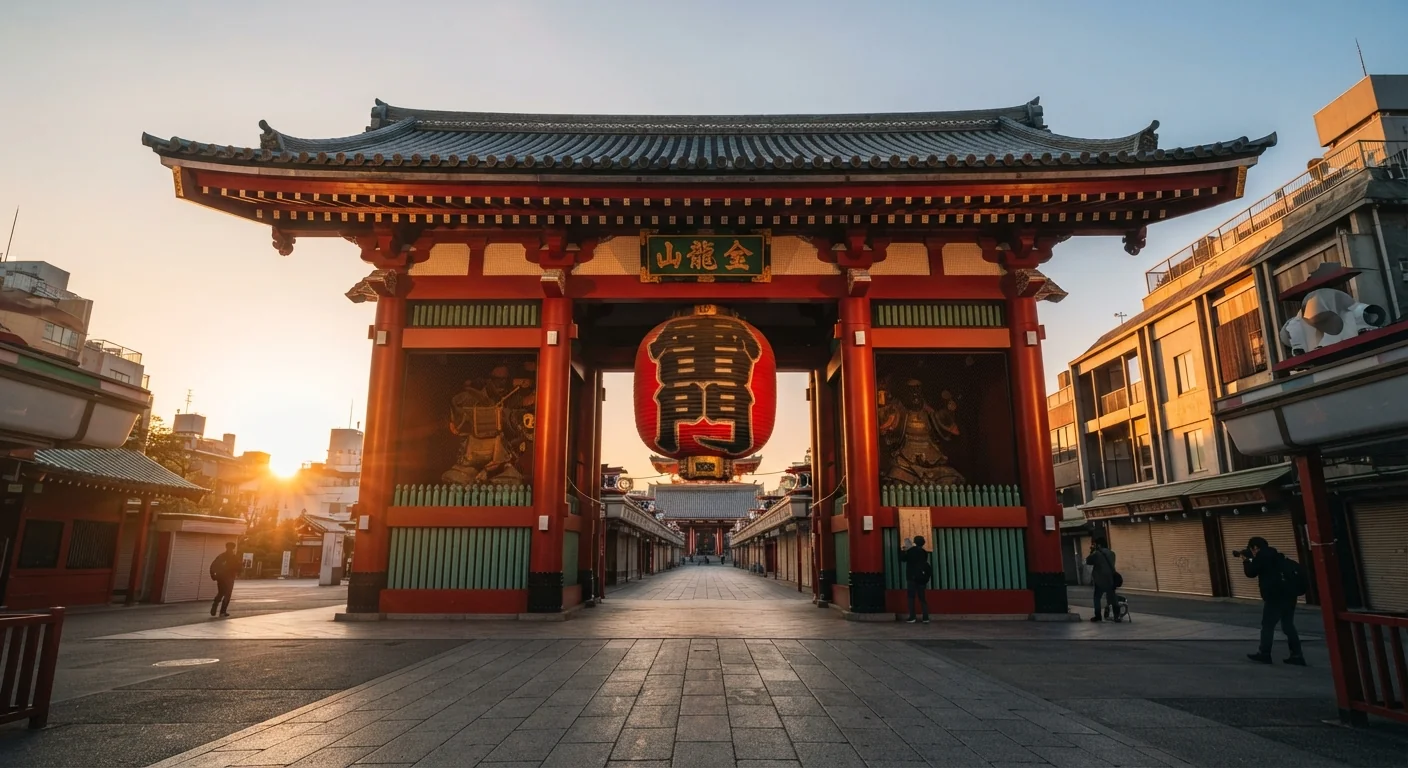
Tokyo’s oldest temple is also one of its few genuinely major attractions that costs nothing at all to visit, which makes it a natural anchor for day two. Arriving close to opening time avoids both the tour groups and the midday heat, and it gives the Nakamise shopping street a quieter, more walkable feel before the stalls fully open. The temple grounds themselves cost nothing to enter, and the surrounding Asakusa district rewards slow, unhurried walking rather than a strict checklist approach, with side streets that feel noticeably different from the more commercial parts of central Tokyo just a short train ride away.
This stretch of the itinerary is also a good moment to notice how much of a budget Japan trip can genuinely run on free experiences rather than paid attractions. The five-story pagoda, the large incense burner near the main hall, and the surrounding shrine buildings are all fully viewable without a ticket, and a slow morning spent here costs little beyond the train fare it took to arrive. Visitors often extend the walk toward the nearby Sumida River afterward, where the skyline view of Tokyo Skytree across the water adds another completely free stop before the day’s first paid attraction even begins.
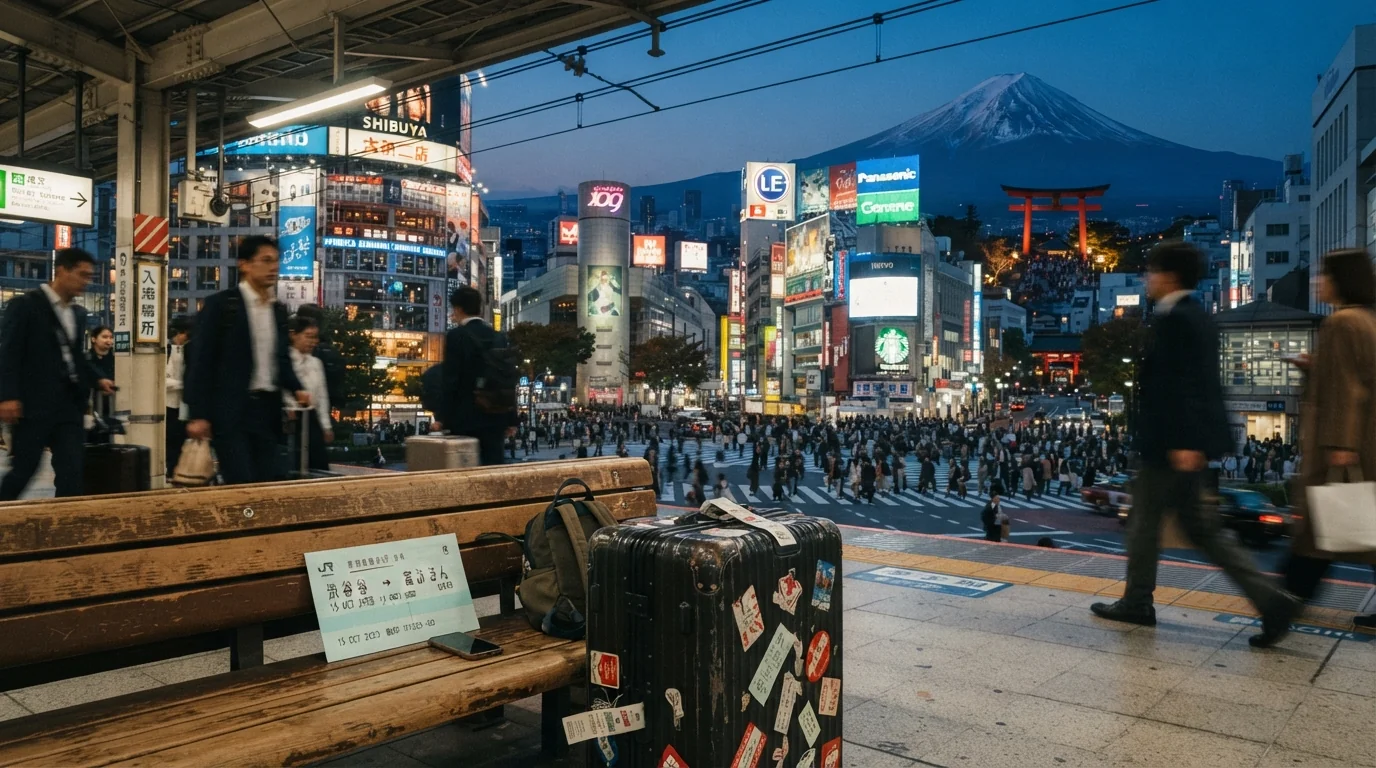
Shibuya Crossing Experience
- The crossing itself is free to watch or walk through, with no ticket needed for the experience.
- Starbucks and several nearby cafes offer a second-floor view without requiring a purchase-first policy at busy times.
- Late afternoon light gives better photos than full darkness, when the screens can overexpose most phone cameras.
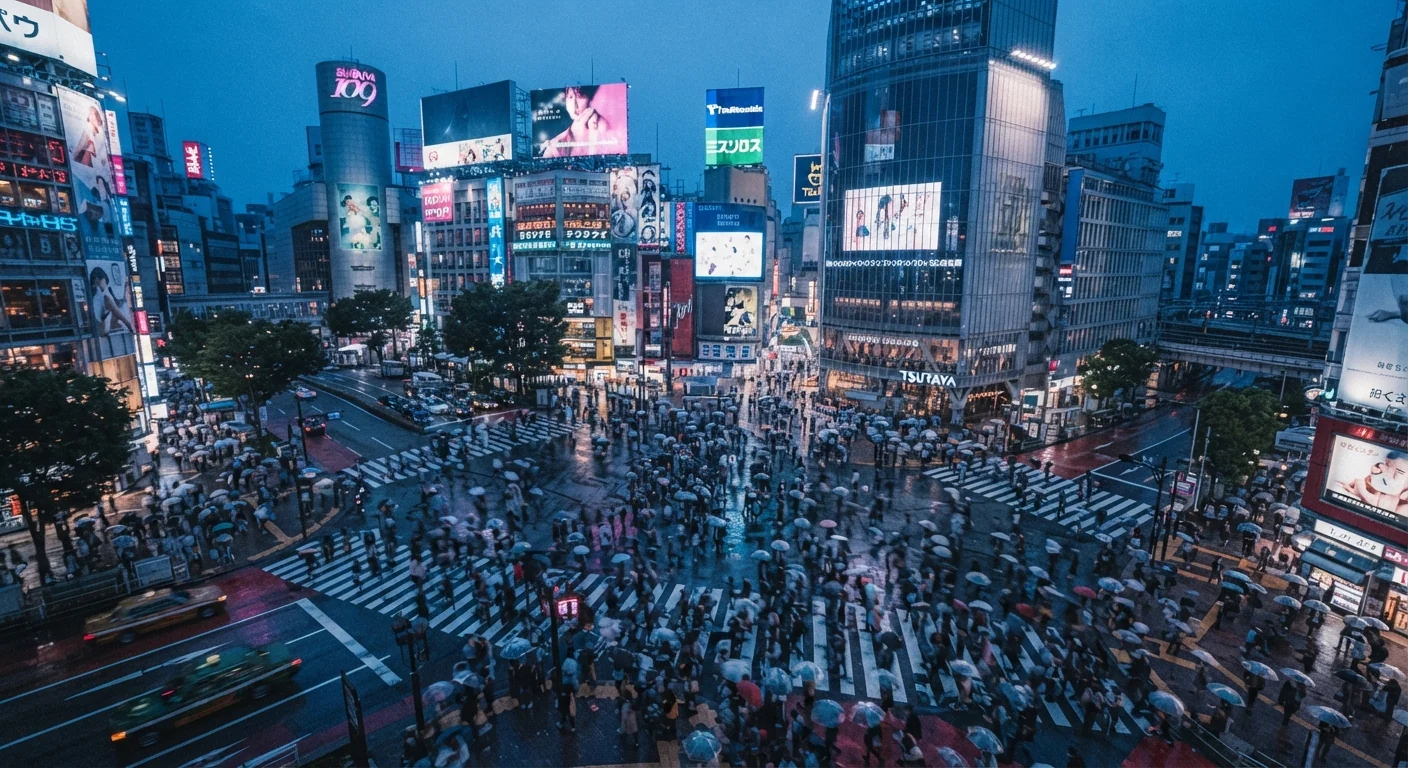
Shibuya’s scramble crossing is one of those attractions that photographs well from a screen back home but genuinely feels different once experienced in person, and it costs nothing beyond the train ride required to reach it. Hundreds of pedestrians moving in overlapping directions at the same moment has become something of a shorthand for Tokyo as a whole, and standing directly in the middle of it, or watching from one of the surrounding elevated cafes, is a completely reasonable use of an hour on a tight budget itinerary that still wants one unmistakable, signature Tokyo moment included somewhere along the way.
Beyond the crossing itself, the surrounding Shibuya district has more than enough free wandering built in to fill an entire afternoon without spending a single yen on a paid attraction. The Hachiko statue meeting point, the department store window displays, and the elevated pedestrian decks connecting several city blocks all cost nothing to explore at a relaxed pace. Budget travelers often pair this stop with an inexpensive noodle lunch nearby, since the surrounding area has an unusually high density of casual, affordable restaurants that don’t require reservations or an English menu to order from comfortably and quickly.
Free Tokyo Observation Decks
- The Tokyo Metropolitan Government Building’s observation deck is free and offers one of the highest views in the city.
- Sunset timing gives both a daylight skyline and the city lights turning on within the same visit.
- Weekday mornings tend to have shorter lines than weekend afternoons at the more popular decks.
- Some department store rooftop gardens also offer free elevated views as a quieter alternative.
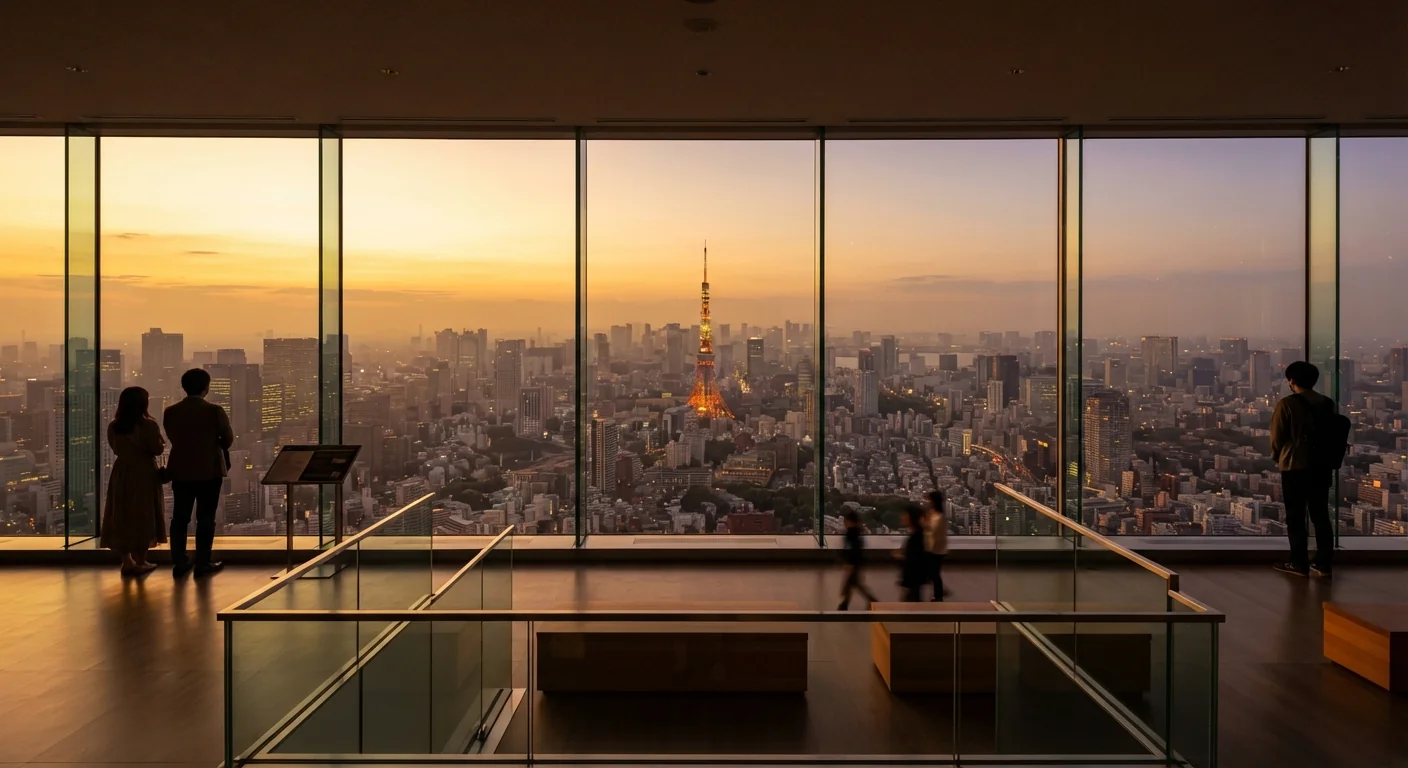
Paid observation towers like Tokyo Skytree and Tokyo Tower both charge a genuine premium for a skyline view that several free alternatives around the city cover nearly as well, if not quite from the exact same height. The Tokyo Metropolitan Government Building’s twin observation towers offer a completely free deck with a genuinely comparable skyline view, and on clear days, Mount Fuji is visible in the distance beyond the surrounding rooftops. For a budget-focused itinerary, skipping the paid towers in favor of this free option redirects that money toward food or an extra planned activity somewhere else across the five days.
Visiting close to sunset tends to give the best overall value from a free observation deck, since the view transitions naturally from daylight skyline to a fully lit-up city within the exact same single visit, without needing to pay for two separate entries at different times of day. This approach works especially well as a wind-down stop after a heavier sightseeing day, since it requires almost no additional walking once inside and no extra planning beyond checking the deck’s closing time, which can vary noticeably by day of the week in ways that are genuinely worth confirming in advance.
Tsukiji Outer Market
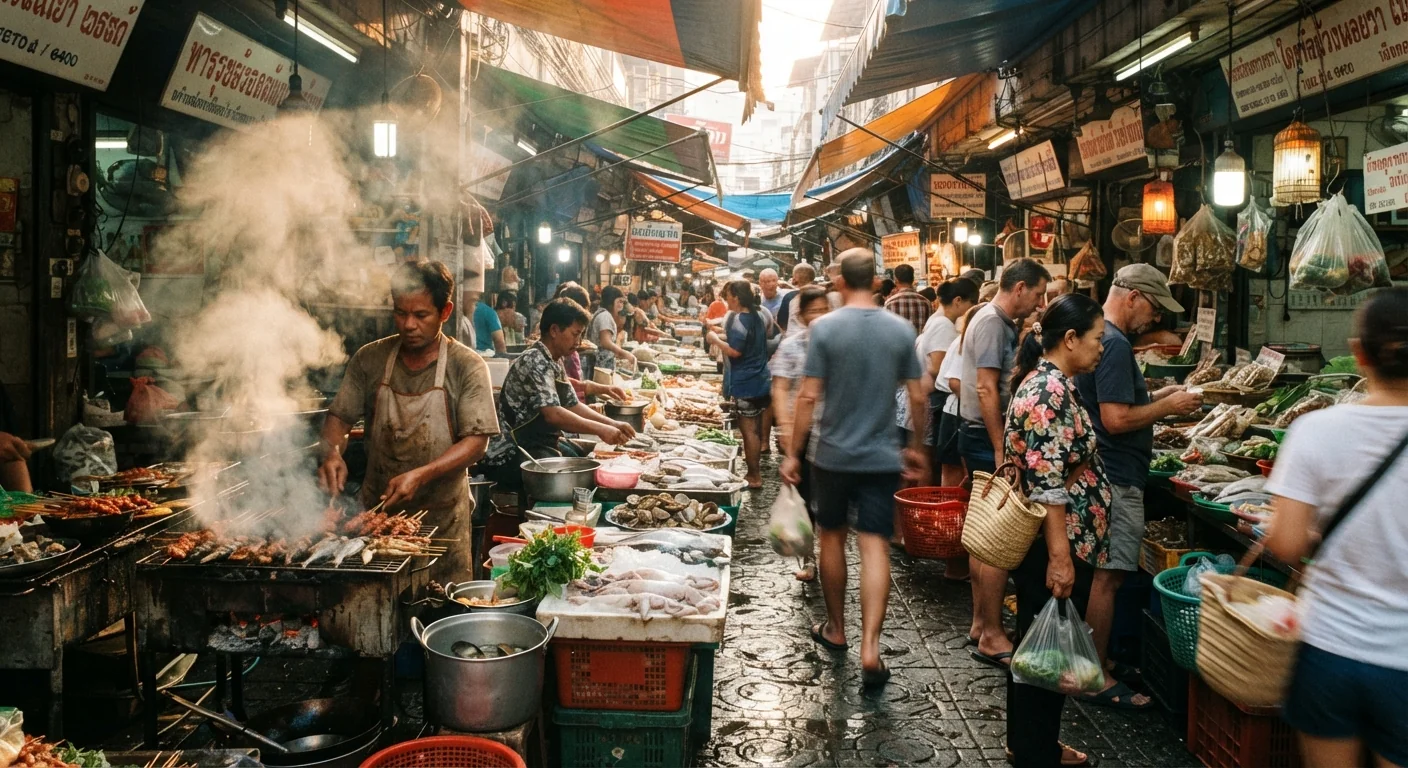
The outer market at Tsukiji remains one of Tokyo’s best food stops even though the main wholesale fish auction itself relocated to Toyosu several years ago. Narrow lanes packed tightly with small stalls sell everything from grilled skewers to fresh sushi at prices well below what an equivalent sit-down restaurant would typically charge for comparable quality and freshness. Grazing through several different stalls rather than committing to a single sit-down meal tends to produce a more varied, and very often noticeably cheaper, breakfast or lunch than a single restaurant order placed at one table would end up costing overall.
Morning visits work best here, both for the freshness of what’s on offer and for genuinely avoiding the thicker midday crowds that build up steadily by early afternoon most days of the week. Cash remains the more reliable payment method at many of the smaller stalls throughout the market, so budgeting a specific cash amount before arriving avoids the mild awkwardness of card readers that some vendors simply don’t carry at all. This particular stop pairs naturally with a broader Tokyo sightseeing day, since it sits within reasonable walking or short train distance of several other central, easily combined attractions.
Day Trip to Kyoto
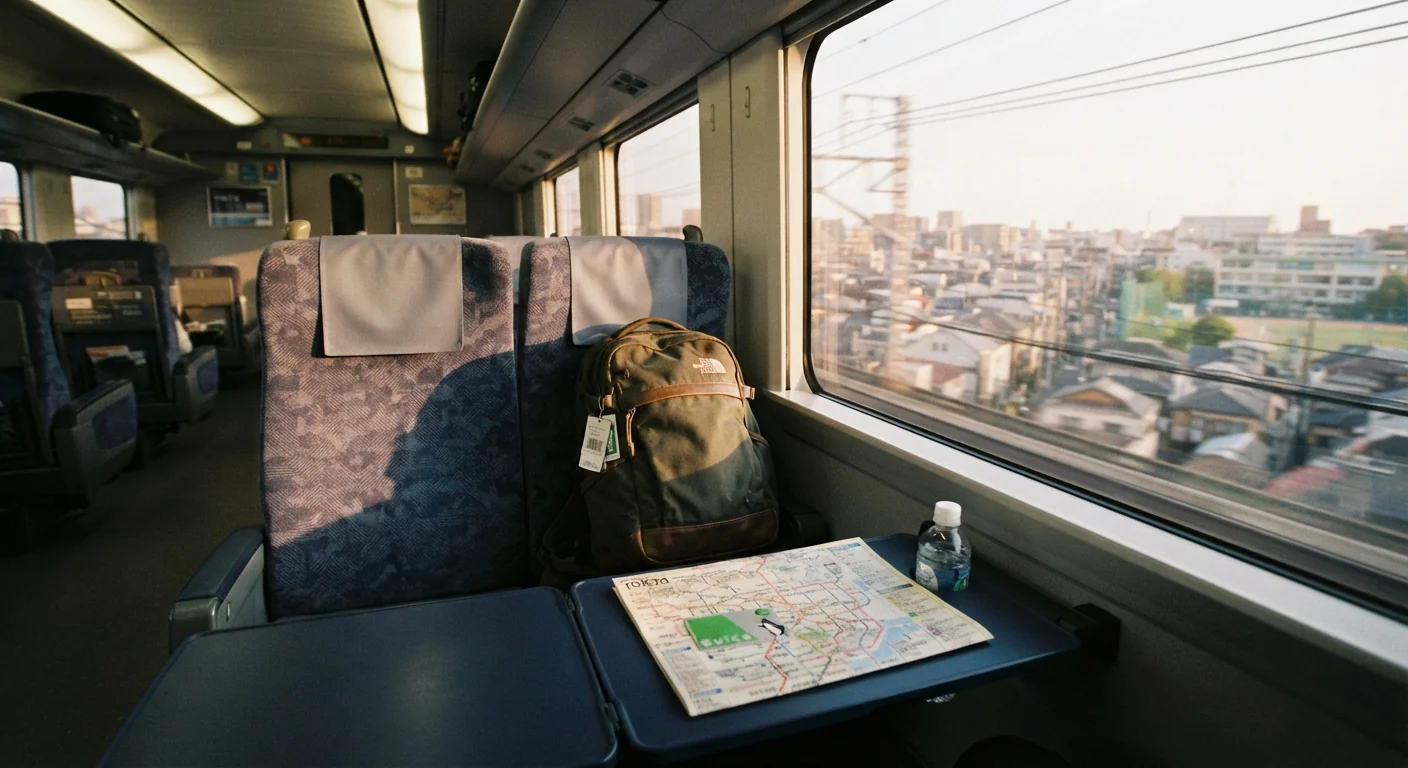
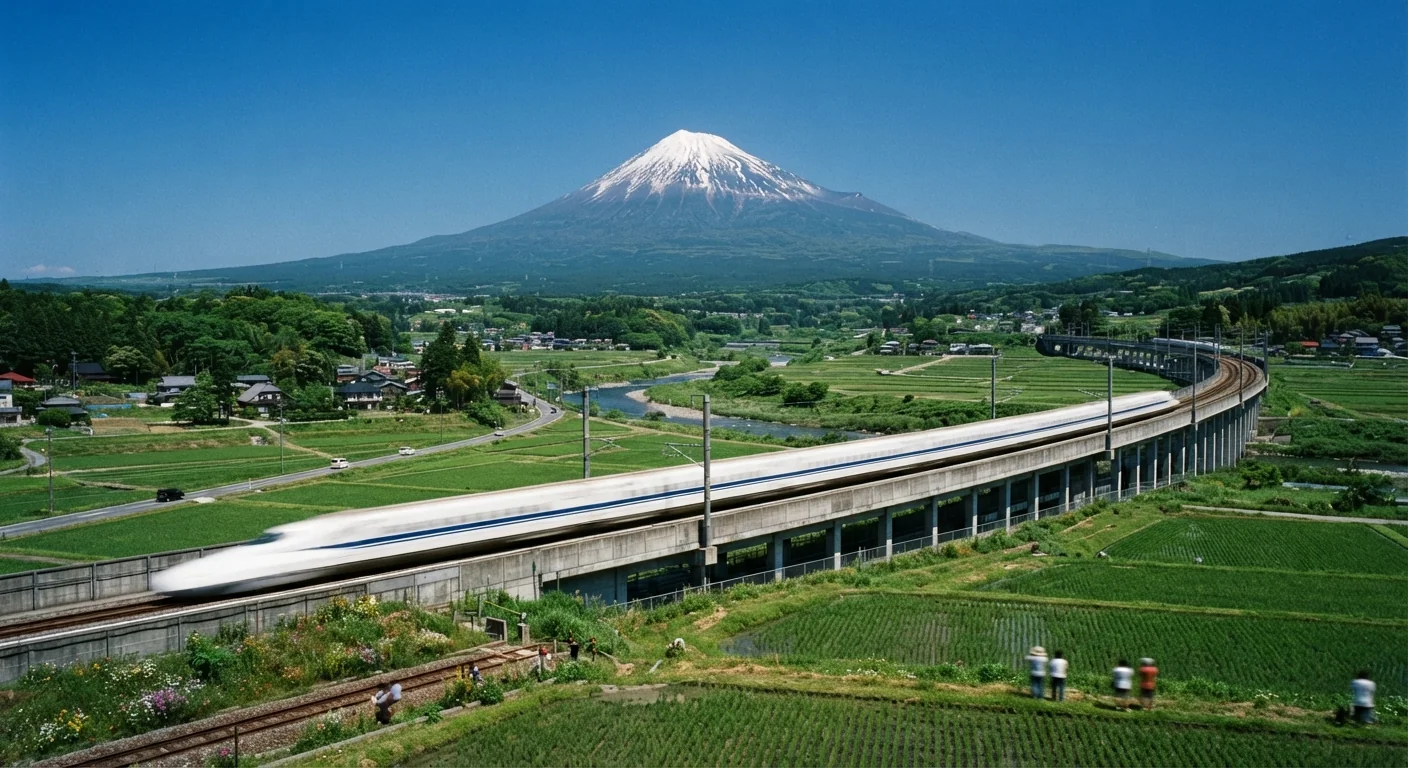
Kyoto as a day trip from Tokyo is an ambitious but genuinely workable plan within a five-day itinerary, provided the train schedule around it is planned tightly and realistically from the very start. The shinkansen ride itself effectively becomes part of the overall experience, cutting through countryside views that shift gradually from dense urban Tokyo to open rural landscape within roughly the first hour of travel. An early morning departure, ideally sometime before eight, preserves the largest possible amount of usable daylight for Kyoto’s temples and gardens before the return journey needs to begin again later that same evening.
This particular approach also simplifies the overall trip logistics considerably, since it avoids the extra step of packing and unpacking for a second hotel stay somewhere in the middle of a short trip. The clear tradeoff is a genuinely long single day, easily ten or more hours spent traveling door to door, so this plan suits travelers who are comfortable with one fast-paced day rather than a slower, more relaxed pace throughout. For those who would prefer a gentler rhythm instead, splitting one overnight stay into Kyoto is a reasonable adjustment, though it does add a second accommodation cost to the overall trip budget.
- The bullet train between Tokyo and Kyoto takes roughly two and a half hours each way.
- Booking an early departure preserves more daylight hours for sightseeing once in Kyoto.
- A day trip avoids a second hotel booking, which keeps the overall five-day budget simpler to track.
Fushimi Inari Shrine
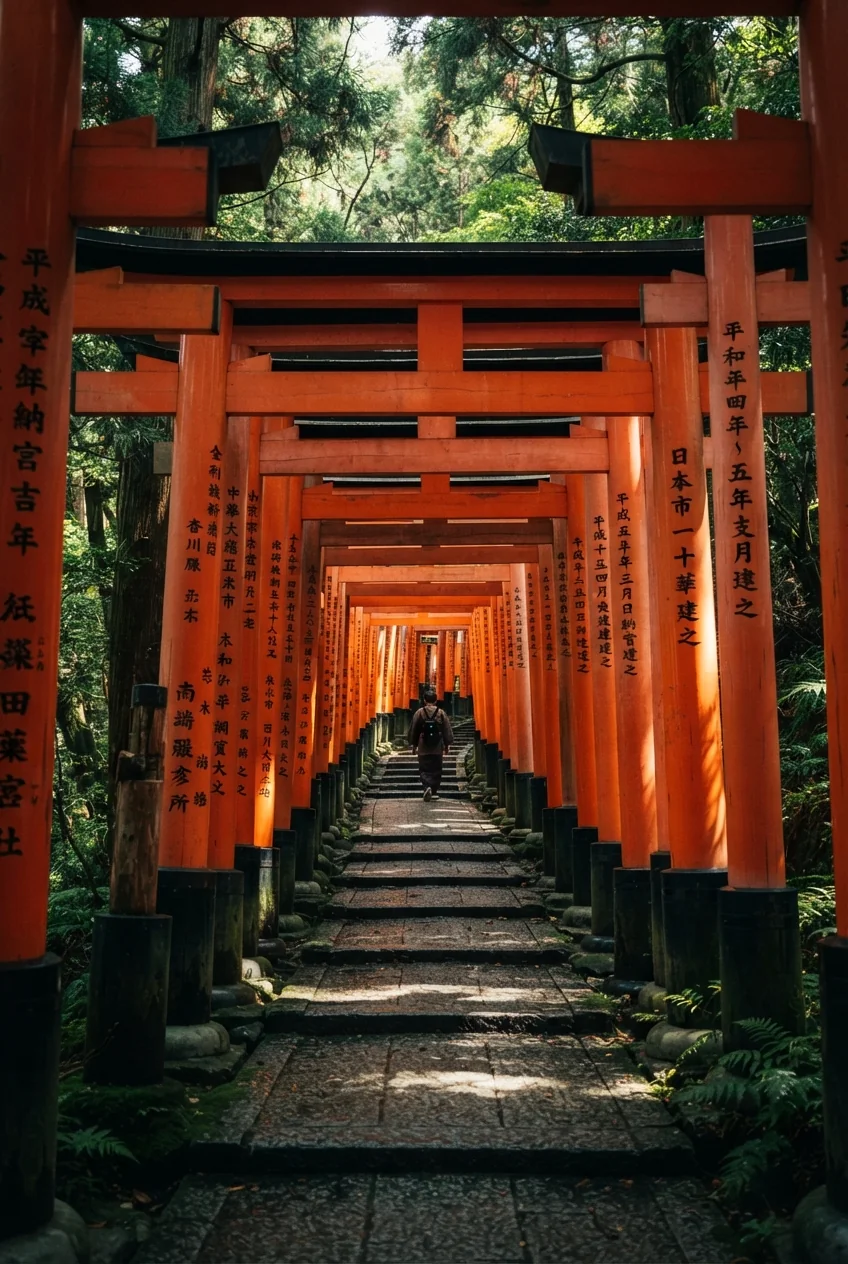
Fushimi Inari’s thousands of vermilion torii gates form one of the single most recognizable images associated with Kyoto anywhere online, and remarkably, the shrine itself costs nothing at all to enter or explore. The gate-lined paths wind steadily up the forested hillside for several kilometers in total, though most visitors comfortably manage just the lower and middle sections in well under an hour without ever needing to reach the actual summit to get the full, striking visual effect the shrine has become so widely known for across countless travel photos and recommendations.
Early arrival matters here more than at almost any other single stop on this entire itinerary, since the lower gates closest to the entrance draw genuinely heavy crowds by mid-morning most days. A visit scheduled right after the shinkansen’s arrival into Kyoto, well before any other sightseeing begins, tends to produce both noticeably better photos and a far quieter walk through the gates themselves without constant interruption. The shrine sits a short and simple train ride from Kyoto Station, which makes it a genuinely practical, low-friction first stop on a tightly scheduled single-day-trip itinerary built around limited time.
Kyoto Bamboo Grove
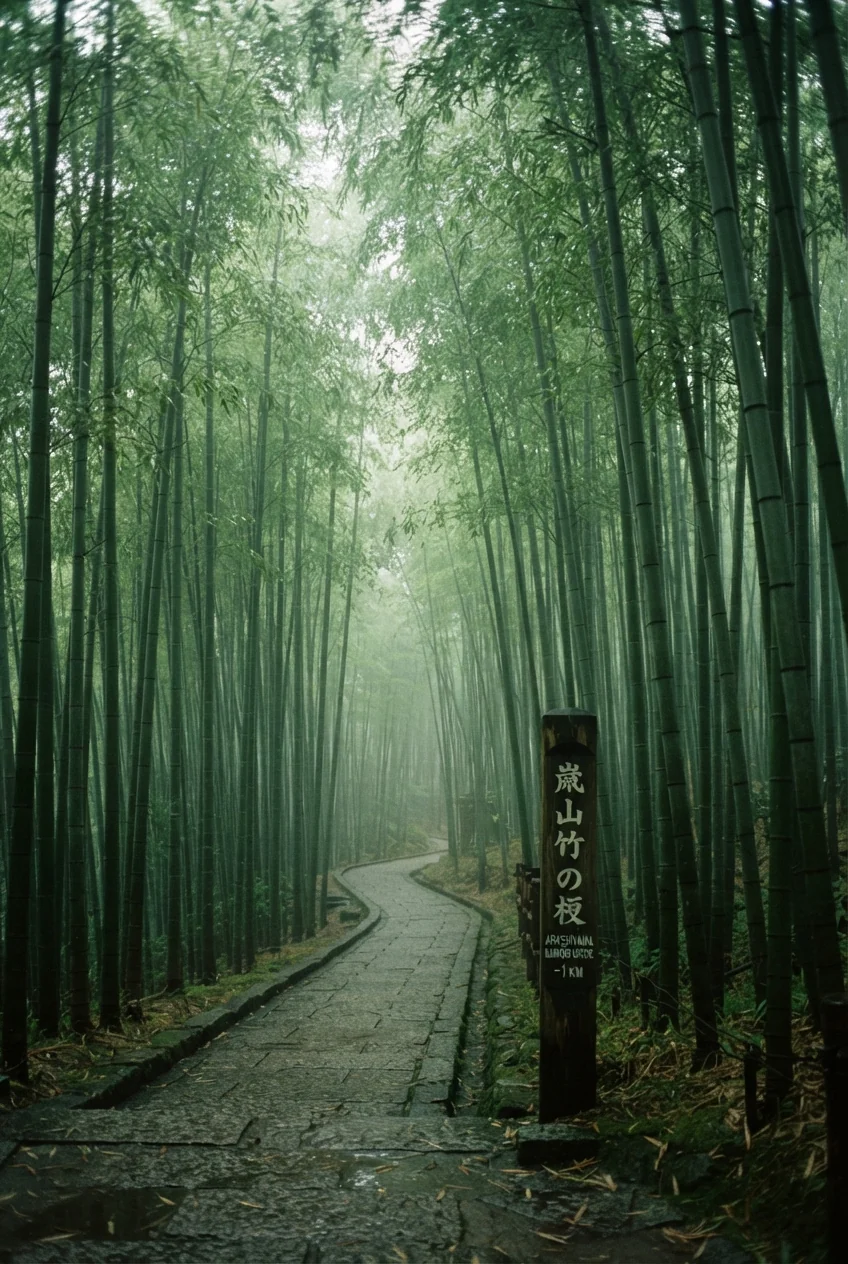
- The Arashiyama Bamboo Grove is free to walk through and takes about fifteen minutes at a relaxed pace.
- Pairing it with nearby Tenryu-ji Temple adds a paid but reasonably priced garden stop close by.
- Early morning visits avoid both the crowds and the tour groups that arrive by midday.
- The Arashiyama district has several small, inexpensive noodle shops for a quick lunch before heading back.
The bamboo grove in Arashiyama is short enough to walk through completely in about fifteen minutes, and yet it’s distinctive enough visually that most Kyoto itineraries build a dedicated stop around it regardless of how long the overall trip happens to be. Entry is entirely free, and the towering stalks filtering soft green light down onto the narrow stone path create one of the more atmospheric, low-cost photo stops on this itinerary. Combined with the nearby Tenryu-ji Temple garden right next door, the Arashiyama district as a whole can comfortably fill two to three hours without straining a tight day-trip schedule.
Because Arashiyama sits slightly outside the more central parts of Kyoto, factoring in the extra train or bus travel time is genuinely worth doing before finalizing the rest of the day’s overall schedule and stop order. Visitors working within a tight single-day-trip clock sometimes underestimate how much this added travel time quietly eats into the remaining planned stops later in the day. Arriving early in the morning, ideally as one of the very first two or three activities of the day, keeps the grove itself from feeling nearly as crowded as it inevitably does once afternoon tour buses start arriving in numbers.
JR Pass Cost Math
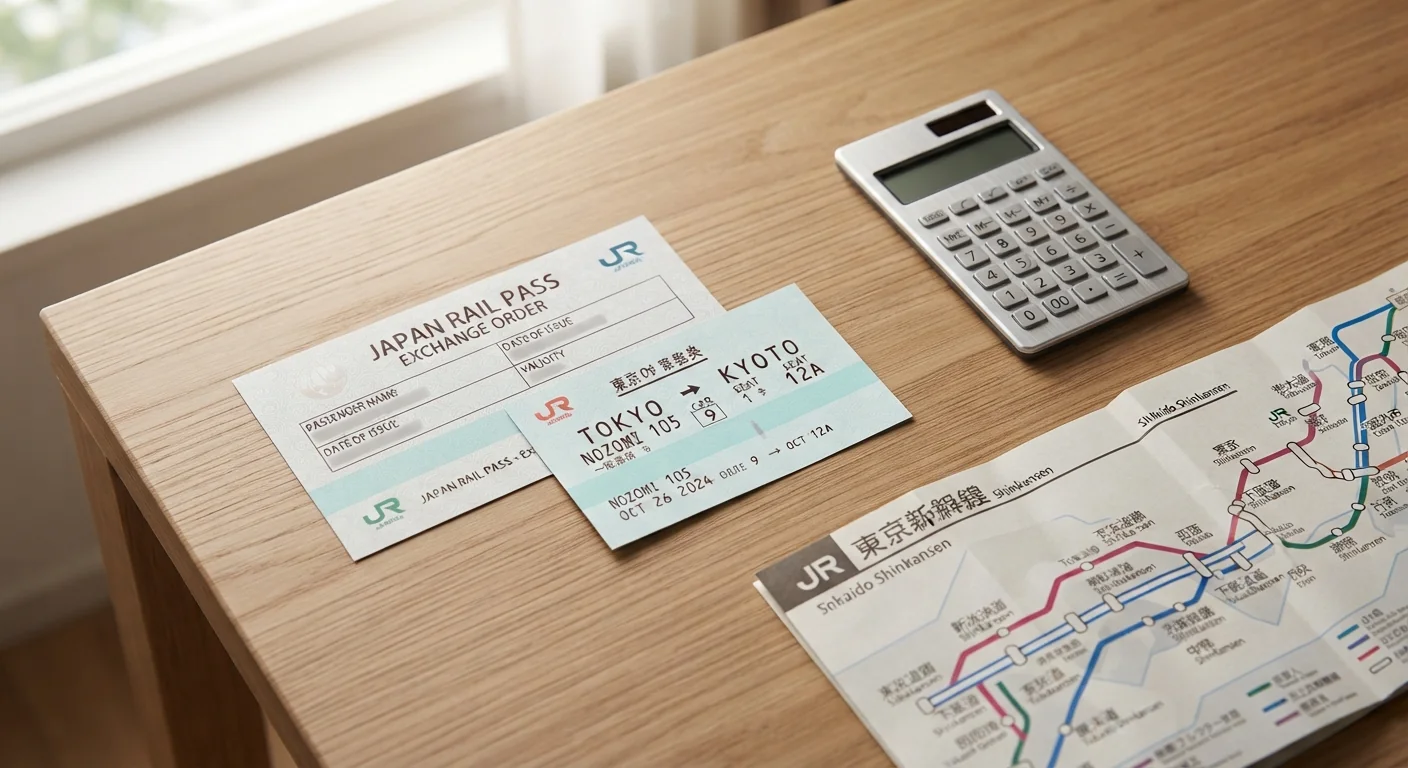
The Japan Rail Pass is often assumed by first-time visitors to be an automatic, guaranteed money-saver, but for a five-day itinerary centered mainly on Tokyo with just a single Kyoto day trip, that common assumption usually doesn’t hold up once the real numbers are worked through carefully. A standard round-trip shinkansen fare between Tokyo and Kyoto, purchased as individual point-to-point tickets, frequently costs noticeably less than the price of a multi-day pass covering that exact same round trip. The pass tends to genuinely pay off only once a planned route includes three or more separate long-distance legs within its validity window.
Working through this specific math before departure, rather than defaulting to the pass purely out of habit or general assumption, is one of the more overlooked budget decisions on a genuinely short Japan trip like this five-day plan. Current pricing and full route coverage details are published directly on Japan’s official tourism site at https://www.japan.travel/en/guide/jr-rail-pass/, which is well worth checking carefully against the exact planned itinerary before purchasing anything in advance. For a Tokyo-plus-one-day-trip plan structured like this one, buying individual tickets as needed along the way is very often the cheaper, genuinely simpler route to take overall.
- A round trip Tokyo-Kyoto-Osaka in individual tickets typically costs less than a 7-day Japan Rail Pass.
- The pass becomes worthwhile mainly on routes with three or more long-distance shinkansen legs.
- Regional passes, like a Kansai-area pass, often cost less for shorter, single-region itineraries.
- Pass prices increased in 2026 for anyone not buying directly through the official JR channel.
- Working out the exact route in advance avoids overpaying for coverage that won’t actually get used.
Convenience Store Meals
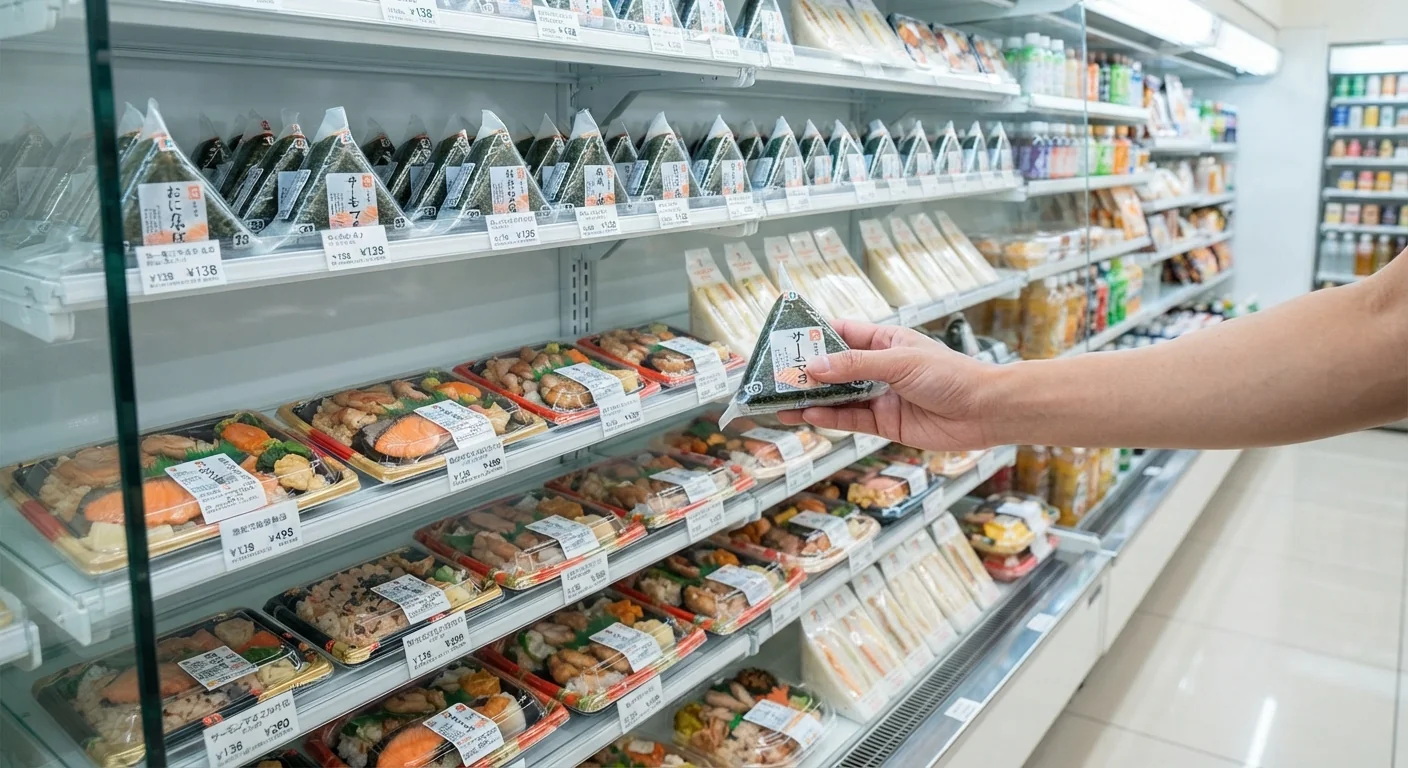
Convenience stores in Japan operate on a noticeably different level than the term usually implies elsewhere, and they quietly do a great deal of work for a budget traveler’s daily food costs across a trip like this. Onigiri, bento boxes, and prepared sandwiches are all consistently fresh, genuinely tasty, and priced well below what an equivalent restaurant meal would typically cost for similar quality. Stocking up on breakfast items the night before a busy day, rather than searching around for an open cafe first thing in the morning, saves both real money and the time that would otherwise go toward finding a proper sit-down option.
This isn’t really a downgrade from restaurant dining so much as a genuinely different, more efficient way to eat on travel days already packed tightly with sightseeing and movement between neighborhoods. A convenience store lunch eaten on a moving train or a quiet park bench frees up meaningful time that would otherwise go toward finding, waiting for, and being served at a restaurant. Reserving actual sit-down meals for dinner, when there’s genuinely more time to enjoy them properly, while defaulting to convenience store food for breakfast and lunch, is a simple, repeatable way to stretch a food budget across all five days.
- Onigiri rice balls typically cost under 200 yen each and make a genuinely filling snack.
- Bento boxes at chains like 7-Eleven or Lawson often run half the price of a sit-down lunch.
- Staff will usually heat a bento in-store if asked, even for a quick grab-and-go meal.
Capsule Hotel Stays
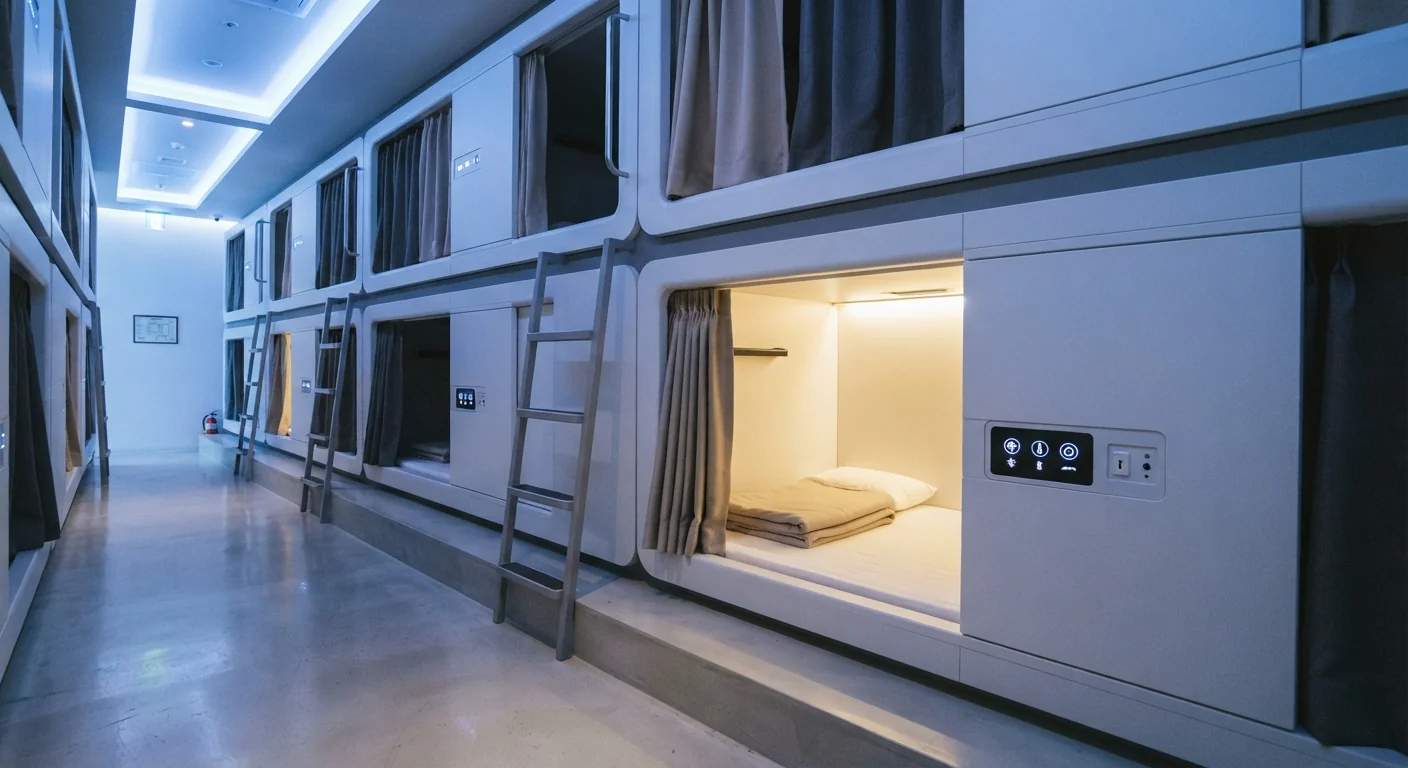
Capsule hotels remain one of the more distinctive and genuinely effective ways to cut accommodation costs in Tokyo without meaningfully sacrificing cleanliness, safety, or day-to-day convenience during a short trip. A single capsule typically runs well below a standard hotel room rate for the same central location, while still including shared showers, secure lockers, and often a small communal lounge area for relaxing between sightseeing days. For travelers who spend most of their waking hours out sightseeing anyway, the somewhat reduced privacy of a capsule matters considerably less than it might on a longer, more leisurely and relaxed trip built around downtime.
Booking well ahead of time matters more for capsule hotels than it typically does for standard hotel chains, since popular locations situated near major train stations tend to sell out fully on weekends and throughout peak travel seasons of the year. Most capsule hotels are gender-separated by floor for privacy and comfort, and it’s genuinely worth confirming the luggage storage policy before booking anything, since capsule sizes vary considerably between properties and larger suitcases sometimes need to be stored entirely separately from the actual sleeping area itself, typically in a shared locker space located near the main entrance.
Budget Breakdown Per Day
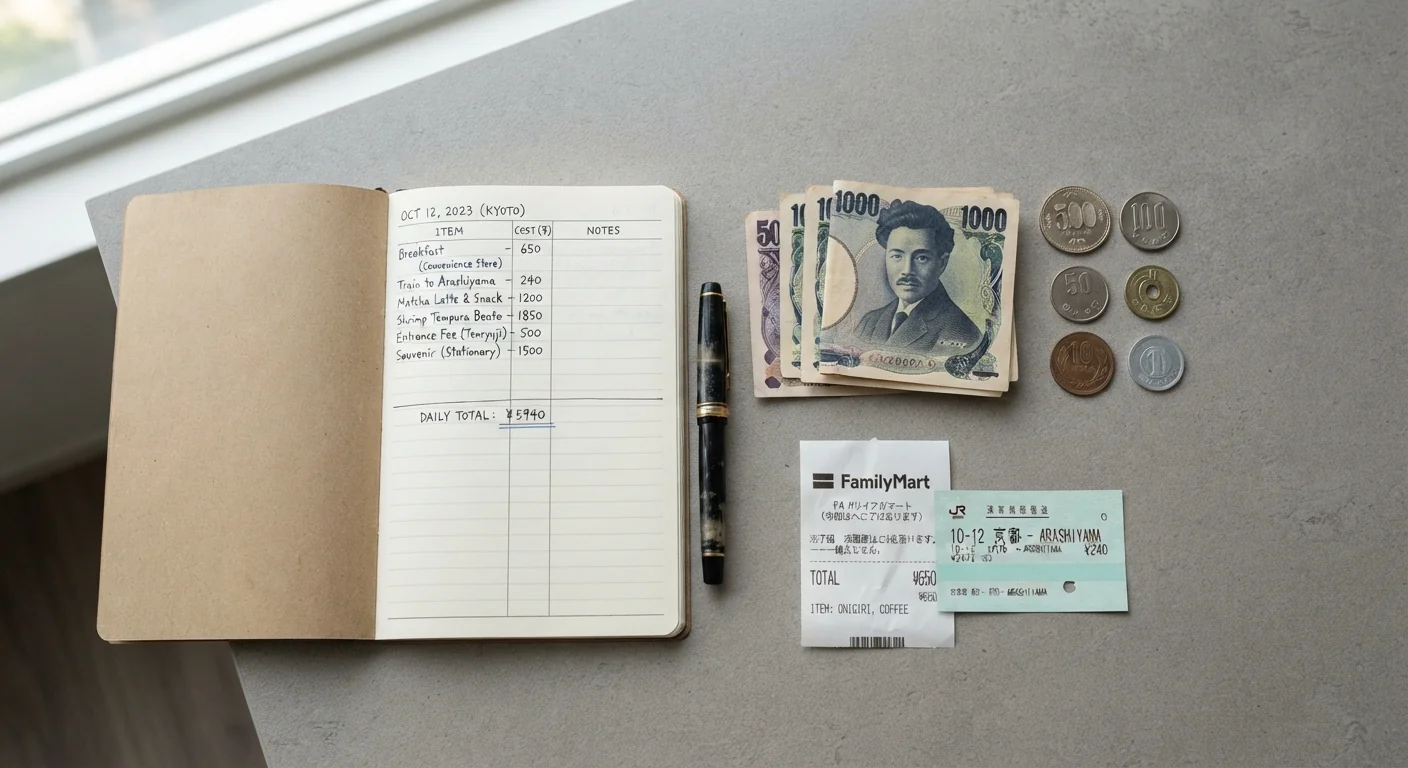
- Accommodation in a capsule hotel or hostel dorm typically runs 3,000-5,000 yen per night.
- Food across convenience stores and casual restaurants averages roughly 2,500-3,500 yen per day.
- Local transport with an IC card usually adds 1,000-1,500 yen for a full day of movement.
- Free attractions keep the sightseeing line item close to zero on most days of this itinerary.
- A realistic daily total lands around 7,000-10,000 yen for a budget-conscious traveler.
Putting an actual number on a single day in Japan helps turn this itinerary from a loose wish list into something that can genuinely be budgeted for well before departure, rather than guessed at along the way. Accommodation, food, and local transport together make up the large majority of daily spending, and each of those three categories has a meaningfully cheaper version readily available without sacrificing much of the core experience most travelers actually want. Skipping paid attractions in favor of the free alternatives already covered earlier in this itinerary keeps sightseeing close to negligible on most days of the trip.
None of this genuinely requires any unusual frugality or sacrifice, just a general preference for capsule hotels over standard rooms, convenience store meals over restaurant dining for roughly two of every three daily meals, and free attractions over paid ones wherever a genuinely comparable free option realistically exists nearby. A traveler following this general pattern consistently across the five days covered in this itinerary can reasonably expect a daily total somewhere in the 7,000-10,000 yen range, excluding the separate Kyoto day-trip transport cost, which is genuinely worth budgeting for on its own given how large a single line item it actually is.
IC Card Transit Tips
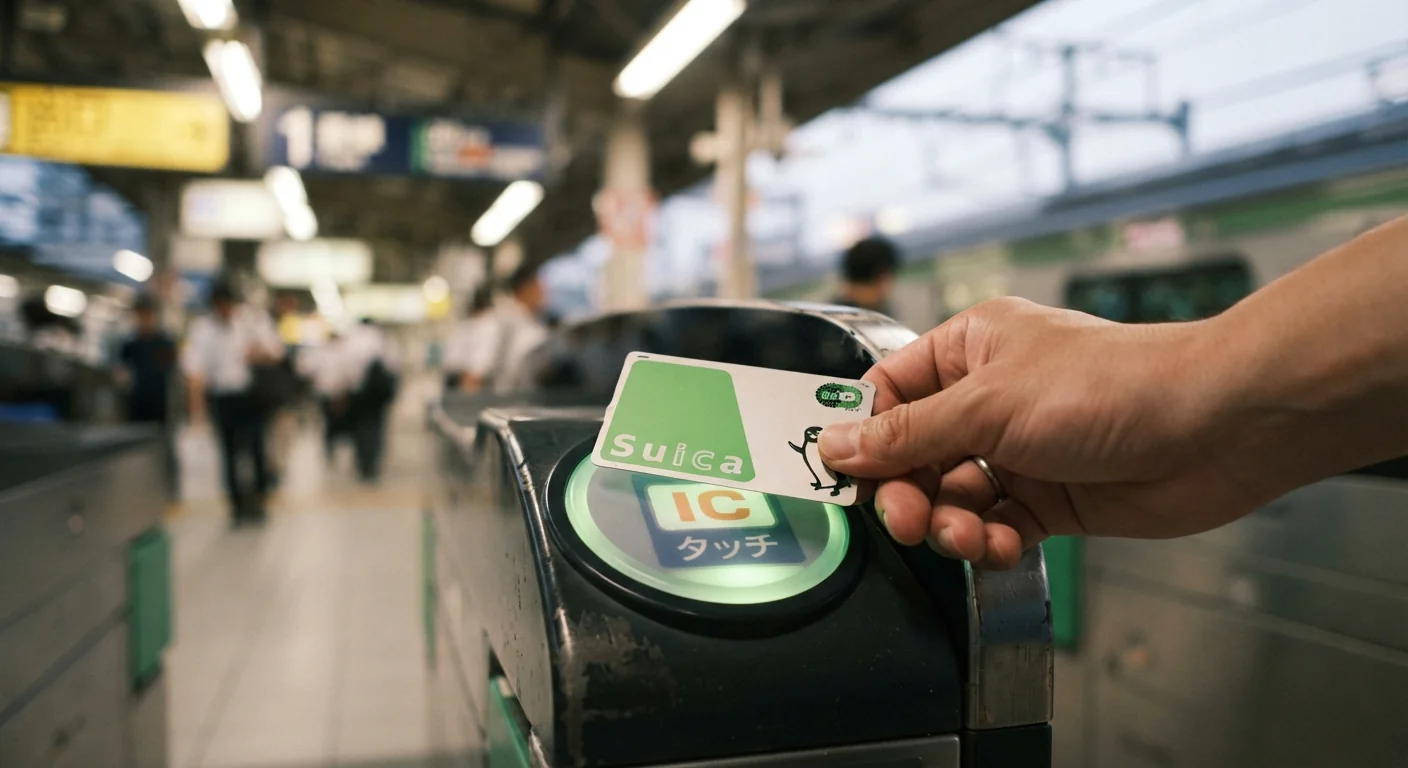
- A Suica or Pasmo IC card works across nearly all Tokyo trains, subways, and buses.
- Cards can be topped up at any station kiosk, avoiding the need to buy individual tickets each ride.
- The same card also works for many convenience store and vending machine purchases.
- Balance and ride history can be checked directly at station fare adjustment machines.
A rechargeable IC card removes most of the everyday friction involved in getting around Tokyo efficiently, and it’s genuinely worth picking one up right on arrival rather than buying individual paper tickets separately for every single ride throughout the trip. The card works reliably across nearly every train line, subway system, and city bus route in the greater Tokyo area, which matters considerably in a city where several different transit operators run overlapping routes that can otherwise require separate, fiddly ticket purchases for what essentially feels like the exact same journey from one point to another.
Topping up the card is genuinely simple at any station kiosk, and the same card conveniently doubles as a payment method at many convenience stores and vending machines around the city, which cuts down noticeably on fumbling around for small change throughout each day. For a five-day itinerary involving heavy daily movement between different neighborhoods and districts, this one small piece of logistics saves real, tangible time that would otherwise go toward standing at ticket machines repeatedly, and it keeps overall transport spending visible as a single running balance rather than a pile of scattered paper receipts to track.
Free Shrine Hopping
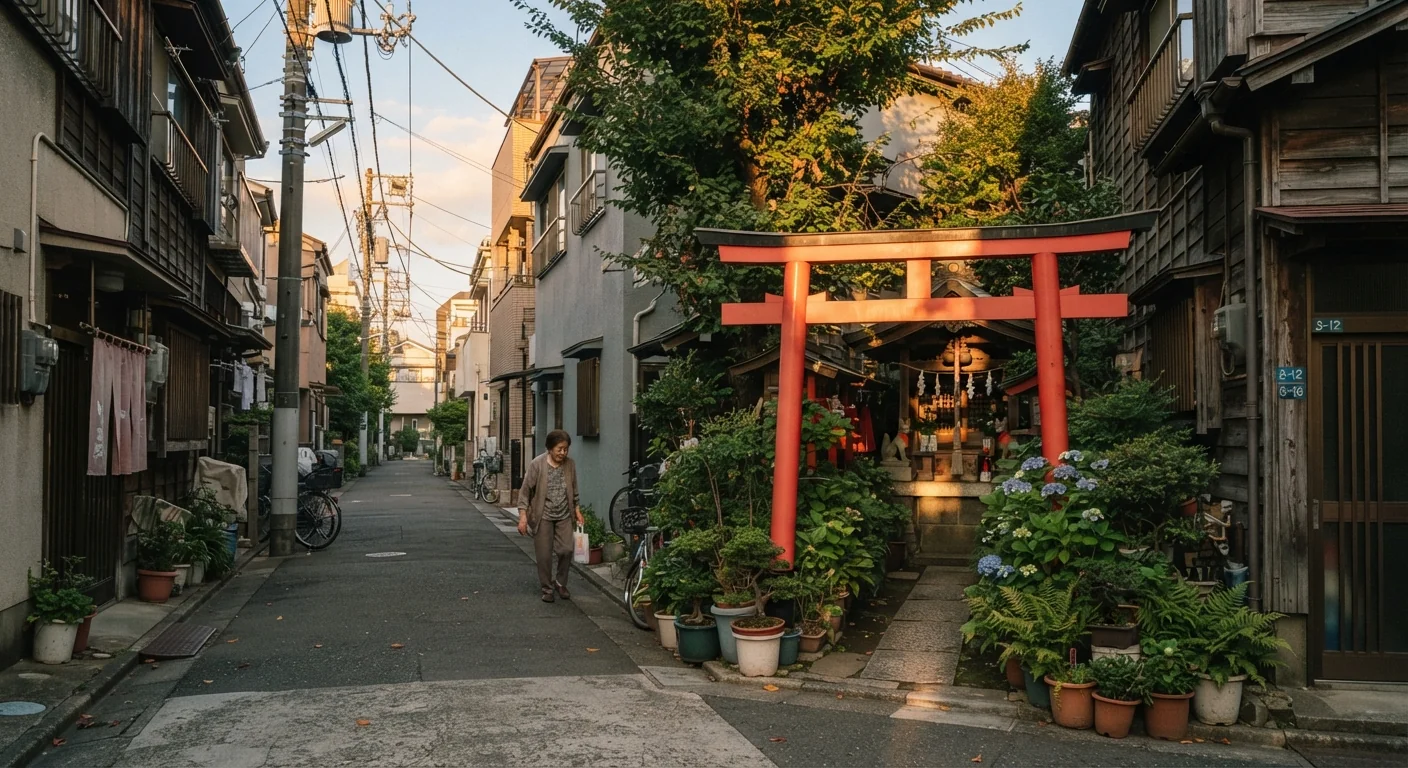
Beyond the handful of major, named temples covered elsewhere in this itinerary, both Tokyo and Kyoto are genuinely dotted throughout with smaller neighborhood shrines that rarely appear on any standard tourist checklist but still cost absolutely nothing at all to step into and explore for a few quiet minutes. Wandering into one of these smaller shrines between scheduled stops, rather than sticking rigidly to a fixed planned route at every moment, often produces some of the quieter, genuinely more memorable moments of a trip that’s otherwise built mostly around bigger, considerably busier named attractions drawing large crowds daily.
These smaller neighborhood shrines also tend to reveal small, distinctly local details, seasonal decorations, a particular style of gate construction, or a specific garden layout, that the larger, far more heavily visited sites don’t always show as clearly under the constant weight of daily tourist crowds moving through them. Building in some loose, unstructured walking time between the day’s scheduled stops, rather than filling every single hour of the itinerary with a fixed plan, leaves genuine room for this kind of unplanned discovery to happen naturally, without adding a single additional yen to the day’s overall running budget.
Evening Izakaya Budget
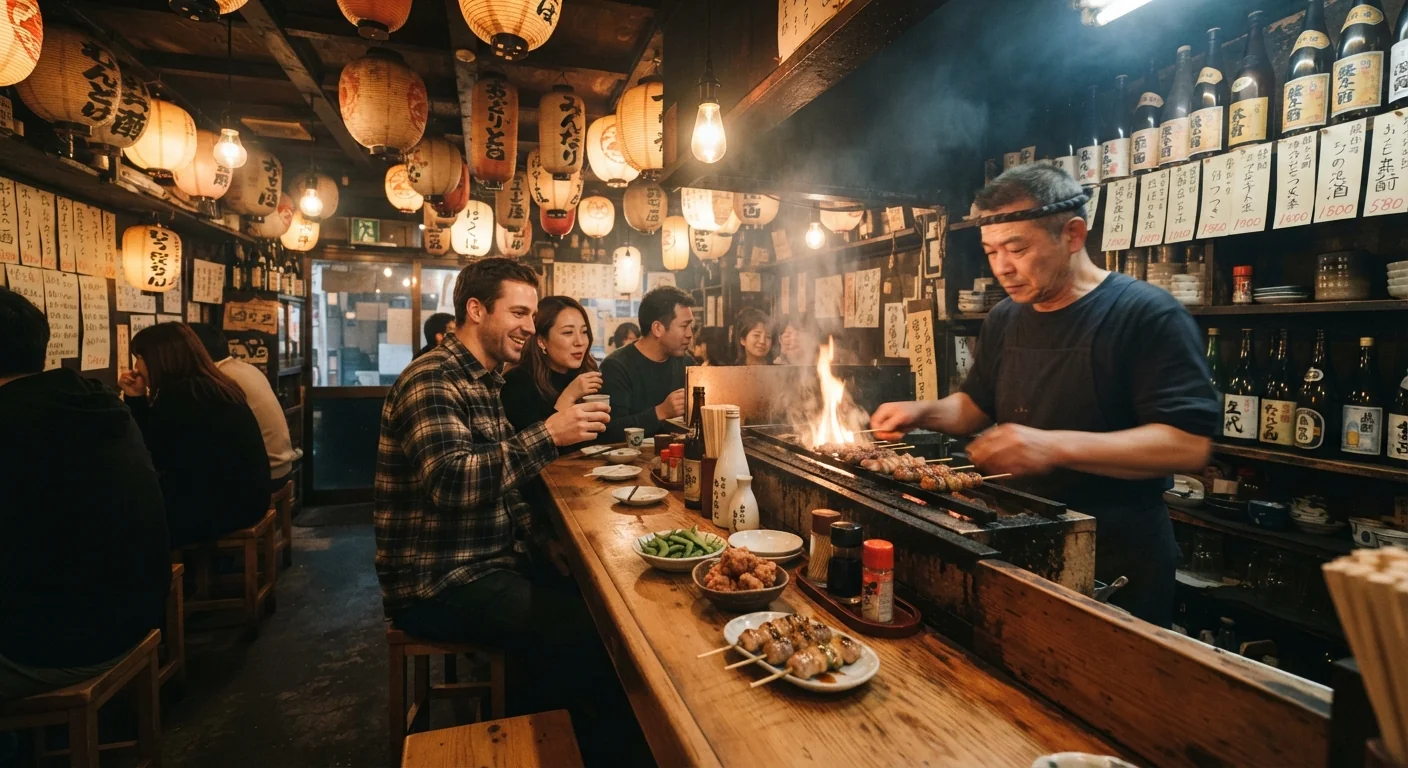
An izakaya dinner is a genuinely reasonable place to spend a slightly larger share of the day’s food budget than usual, since it’s honestly one of the more social, memorable, and distinctly Japanese parts of eating well during a trip like this. These casual bar-restaurants typically serve a wide range of small shared plates, grilled skewers, and drinks, and the overall format naturally encourages ordering a moderate, manageable amount rather than committing to a full multi-course sit-down meal, which keeps the total bill noticeably more controllable than it might first appear from the outside looking in.
Choosing a smaller, less centrally located izakaya over one situated directly next to a busy train station or major tourist attraction tends to bring the overall price down quite noticeably, usually without much real difference in food quality or portion size. This particular evening is a reasonable one to spend slightly more than the otherwise convenience-store-heavy daytime budget, since it’s often genuinely the single sit-down meal of the entire day, and it balances out nicely against the savings already made earlier through free attractions and consistently cheaper lunches throughout the rest of the itinerary.
- Izakayas typically charge per small dish, making it easy to control total spending by ordering fewer plates.
- A seating charge, usually a few hundred yen, is standard and covers a small starter dish.
- Ordering two or three shared plates between travelers keeps the per-person cost reasonable.
Osaka Day Option
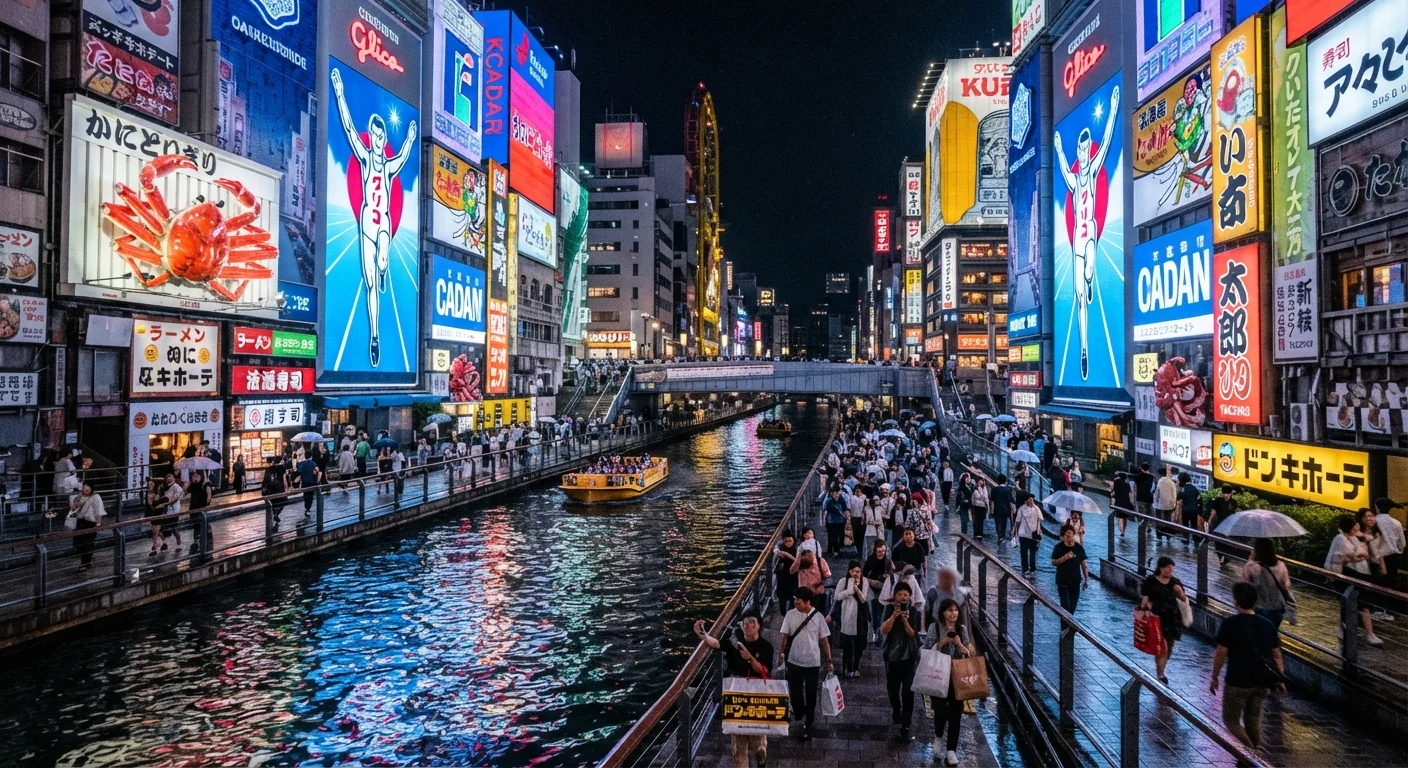
- Osaka is roughly 15 minutes from Kyoto by shinkansen, making it a practical add-on to the day trip.
- Dotonbori’s street food and illuminated signage give a genuinely different atmosphere from Kyoto’s temples.
- This swap works best for travelers who prioritize food and nightlife over an extra temple visit.
For travelers who would rather trade a single Kyoto temple visit for a genuinely different kind of afternoon and evening, Osaka sits close enough geographically to fold neatly into the very same day-trip window without much extra planning required. The shinkansen ride connecting the two cities takes roughly fifteen minutes total, which makes an Osaka detour a realistic, low-friction option without meaningfully disrupting the overall five-day schedule laid out across the rest of this itinerary. Dotonbori’s street food stalls and brightly illuminated signage offer a noticeably different mood and energy from Kyoto’s quieter, more temple-focused sightseeing earlier that same day.
This particular stop isn’t a required part of this itinerary by any means, but it’s a genuinely worthwhile swap for anyone whose personal priorities lean more toward food and general city energy than toward visiting one additional shrine or garden late in the day. Takoyaki and okonomiyaki stalls scattered throughout Dotonbori are consistently inexpensive and genuinely filling, making Osaka a natural place to spend a slightly more indulgent dinner budget before catching a later shinkansen back toward the Tokyo-based accommodation booked for the night, arriving comfortably within a reasonable evening timeframe.
Packing for Japan
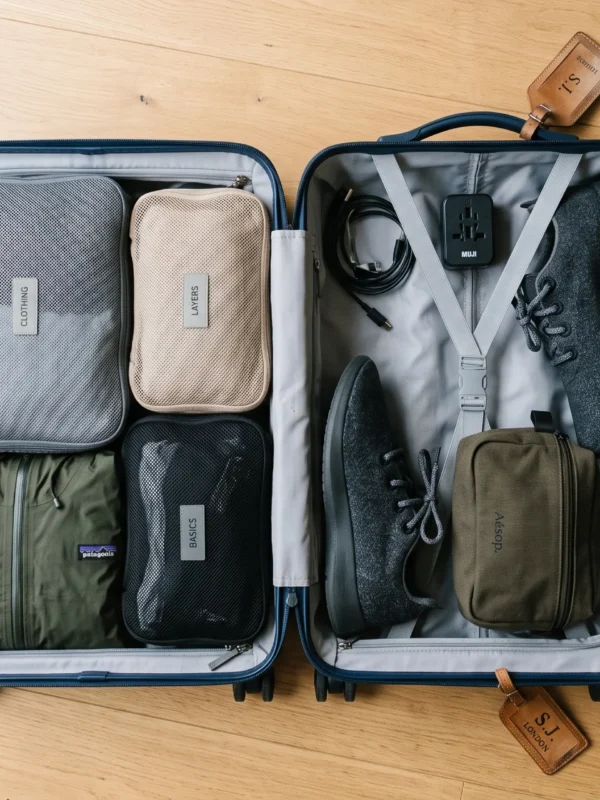
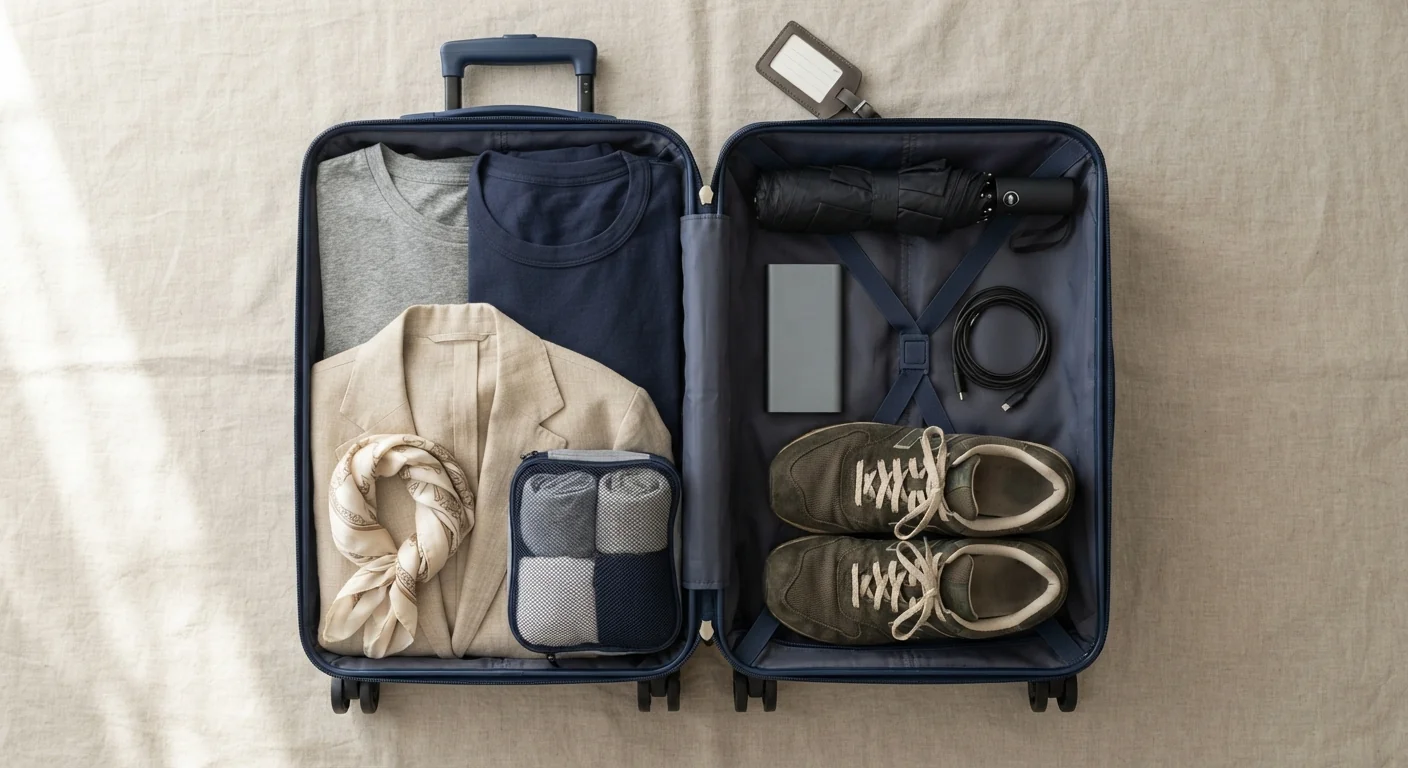
A five-day itinerary built almost entirely around heavy daily walking makes proper footwear the single most important packing decision of the entire trip, well ahead of nearly everything else on any standard travel packing list. Temples, train stations, and sprawling city districts all involve genuine, sustained distances covered on foot each day, and shoes that haven’t already been thoroughly tested on long walks before the trip even begins tend to become a real, painful problem by around day three. Layered clothing also matters considerably here, since indoor heating and air conditioning can differ sharply from outdoor temperatures depending on the specific season of travel.
Packing genuinely light matters just as much practically as it does comfortably, since both capsule hotels and frequent train travel work noticeably better with a single manageable carry-on bag rather than one large, cumbersome checked suitcase to haul around constantly. A compact umbrella, a reliable portable phone charger, and a small day bag for carrying convenience store meals and bottled water round out the genuine essentials for this kind of trip. None of this really needs to be elaborate or overthought, just enough thoughtful preparation to keep the daily logistics of moving quickly between cities and neighborhoods genuinely simple throughout.
- Layered clothing handles Japan’s variable indoor-outdoor temperature differences better than a single heavy layer.
- Comfortable walking shoes matter more than almost any other packing item on this itinerary.
- A compact umbrella earns its space regardless of season, given how quickly weather can shift.
- A portable charger keeps a phone usable for maps and IC card top-ups through long sightseeing days.
Best Time to Visit
Timing this itinerary around Japan’s shoulder seasons, generally spring before the peak cherry blossom crowds fully arrive, or autumn just before the main foliage rush begins, tends to give the best overall balance of manageable prices and genuinely pleasant walking weather throughout. Peak cherry blossom weeks in late March and early April drive up both hotel prices and general crowd sizes quite noticeably across the country, which works directly against a budget-focused five-day plan built specifically around free attractions and efficient, uncrowded movement between them at a comfortable pace.
Late autumn and early winter, outside of the main holiday travel weeks around the new year, often offer noticeably lower accommodation prices alongside genuinely comfortable walking weather well suited to a schedule this packed. Summer brings real heat and humidity that can slow down a walking-heavy itinerary considerably more than expected, while winter, aside from that busy holiday stretch, tends to be a quieter and often meaningfully cheaper window for accommodation and flights alike. None of these particular seasons rule out the trip on their own, but the shoulder months genuinely make this specific itinerary noticeably easier to execute smoothly.
FAQ
Is 5 days really enough time to see Japan?
Five days is enough for a focused Tokyo-plus-Kyoto trip, not a whole-country tour. This itinerary works because it accepts that constraint upfront rather than trying to cram in more cities. A tighter geographic focus, centered on Tokyo with one day-trip option, consistently produces a more relaxed and complete-feeling trip than spreading five days across three or four regions.
How much money should I bring for 5 days in Japan?
Based on the daily budget breakdown covered above, a budget-conscious traveler should plan for roughly 40,000-50,000 yen total across five days, excluding flights and any single larger purchase like the Kyoto day trip’s transport. Carrying a mix of cash and a card is worth doing, since smaller vendors and older shops still prefer cash.
Do I need to speak Japanese to get around?
Basic English signage is common in train stations and major tourist areas, and translation apps handle most remaining gaps well. Learning a handful of polite phrases helps day-to-day interactions feel smoother, but it isn’t a requirement for navigating this itinerary comfortably as a first-time visitor.
Is the Japan Rail Pass worth buying for a short trip?
For an itinerary centered on Tokyo with a single Kyoto or Osaka day trip, individual point-to-point tickets are usually cheaper than a multi-day pass, as covered in the JR Pass Cost Math section above. The pass becomes worthwhile mainly on routes covering three or more long-distance shinkansen legs within its validity window.
What’s the biggest budget mistake first-time visitors make in Japan?
Buying a rail pass without checking whether the planned route actually justifies its cost is one of the most common overspends. A close second is defaulting to restaurant meals for every sit-down, when convenience store food and casual noodle shops offer comparable quality at a fraction of the price for at least two meals a day.
Conclusion
Five days in Japan is genuinely enough time for a memorable, well-rounded trip when the itinerary stays realistic about geography and budget. Tokyo’s free shrines and observation decks, a focused Kyoto day trip, and a clear-eyed look at whether the JR Pass actually pays off all add up to a trip that doesn’t require an unlimited budget to feel complete. Save this 5 day Japan itinerary to Pinterest before planning starts, try building a daily budget from the numbers above, and pass it along to anyone else weighing a short, budget-conscious first trip to Japan.