
Backpacking Southeast Asia on a real budget is genuinely possible, but the difference between a trip that lasts a month and one that stretches to three often comes down to small daily decisions rather than one big splurge. These 19 budget travel tips for backpacking Southeast Asia cover the practical groundwork: what things actually cost across Thailand, Vietnam, Cambodia, and Laos, where the hidden fees tend to hide, and which habits quietly protect a travel fund without making the trip feel restricted. This isn’t a theoretical budget built from guesswork. It’s a working breakdown of daily costs, transport choices, and planning habits that keep a long regional trip financially sustainable from the first week to the last.
Start Here: Daily Budget Breakdown
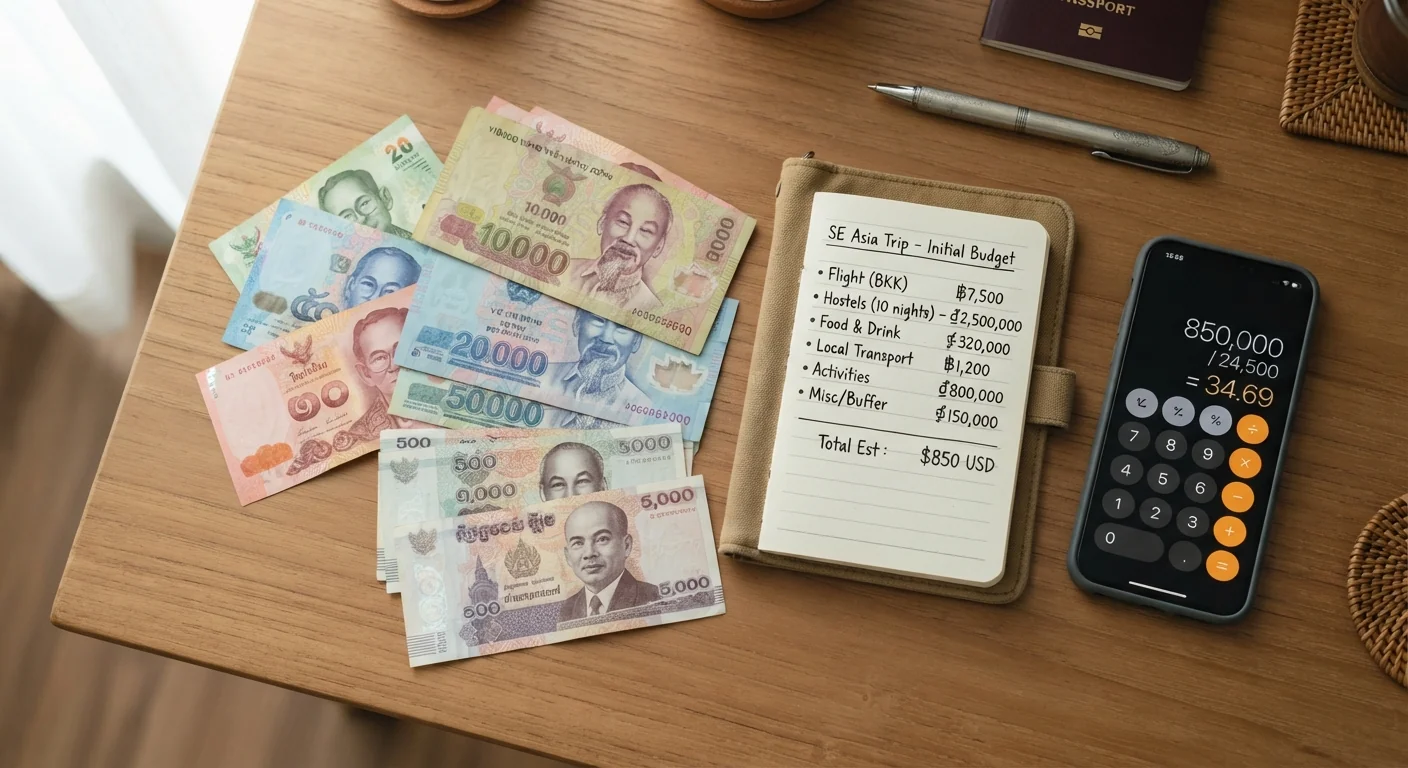
Knowing the realistic daily number before departure shapes every other decision on this list, from which hostel to book to how many buses versus flights make sense for the route.
Daily Budget Breakdown
- A strict budget in Cambodia, Laos, or rural Vietnam typically runs 25-35 USD per day.
- Thailand, Bali, and Malaysia tend to run higher, closer to 35-55 USD per day.
- A full month across the region on a tight budget generally lands between 550-750 USD.
- A more comfortable mid-range pace across the same month runs closer to 1,200-2,000 USD.
- Building a per-country estimate before departure avoids the trip running out of funds early.
Southeast Asia has a reputation for being cheap to travel through, and that reputation is largely accurate, but the actual daily number varies more by country than most first-time backpackers expect going in. Cambodia, Laos, and rural parts of Vietnam consistently run on the lower end of the scale, while Thailand’s more developed tourist areas, Bali, and Malaysia sit noticeably higher once accommodation and activities are factored in properly. Treating the whole region as a single flat daily rate tends to produce a budget that works in some countries and quietly breaks down in others partway through a longer trip.
Building a rough per-country estimate before departure, rather than relying on one average number for the entire route, makes the overall travel fund far more predictable to manage day to day. A full month spent moving through the region on a genuinely tight budget typically lands somewhere between 550 and 750 dollars total, while a more comfortable, mid-range pace covering the same distance and countries runs closer to 1,200 to 2,000 dollars. Knowing which of these two ranges actually fits the trip’s real style shapes nearly every other decision covered further down this list.
Hostel Dorm Pricing
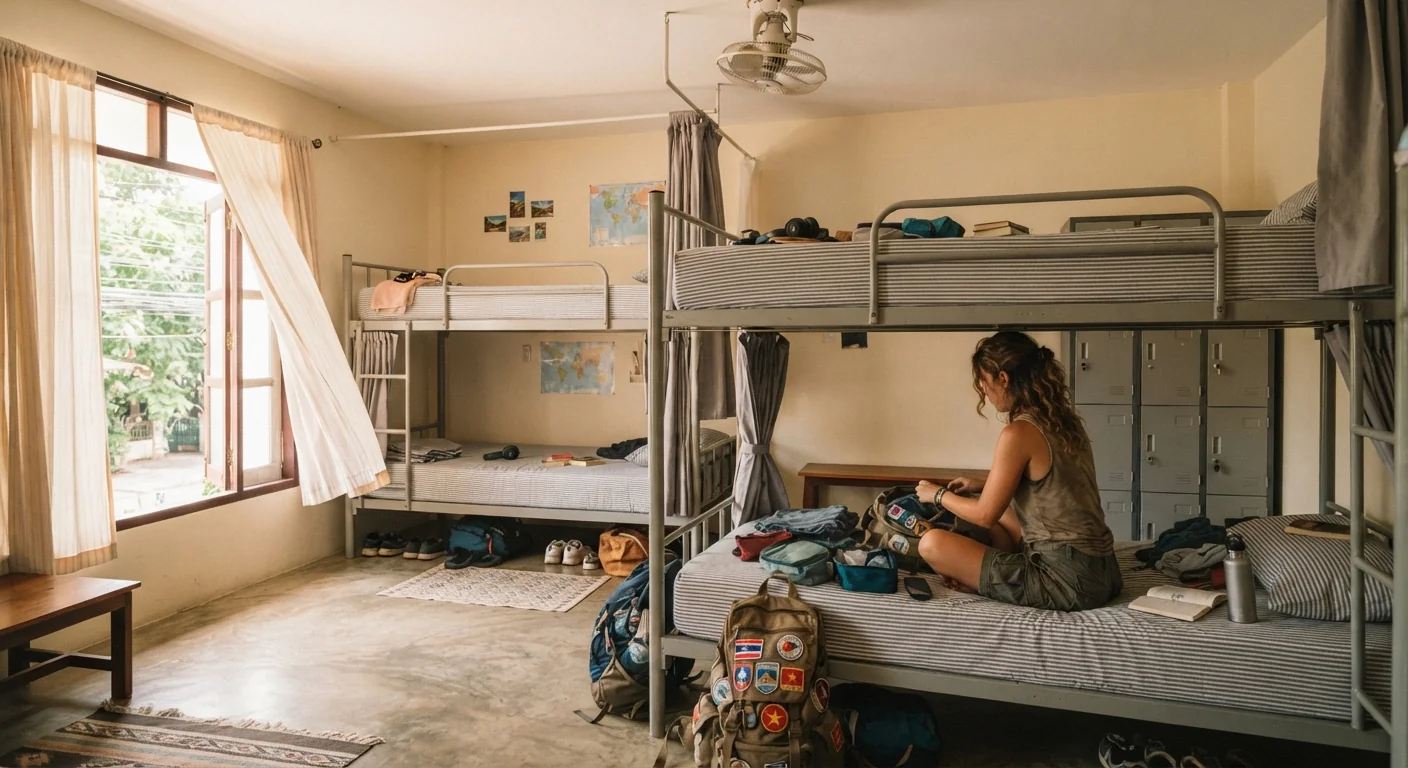
Hostel dorms remain the backbone of budget accommodation across the region, and pricing varies enough between countries that it’s worth checking rates ahead of arrival rather than assuming one flat number applies everywhere on the route. A dorm bed in Cambodia frequently costs a few dollars less per night than an equivalent bed in one of Thailand’s more established backpacker hubs, even though both offer broadly similar amenities like lockers, fans or air conditioning, and a shared kitchen or common area for meeting other travelers passing through the same city at the same time.
Social atmosphere matters here as much as the raw price, since hostels built specifically around a backpacker crowd tend to organize free walking tours, communal dinners, or group activities that indirectly save money elsewhere in the daily budget. Reading recent reviews before booking helps filter out hostels that look cheap on a booking site but charge unexpected extra fees for towels, lockers, or hot water once a guest has already checked in. A slightly higher-rated hostel a few dollars more per night often pays for itself through these smaller savings alone.
- Dorm beds in Cambodia commonly range from 3-6 USD per night in popular areas.
- Thai hubs like Chiang Mai often price dorms around 5-7 USD per night.
- Private rooms in hostels cost noticeably more but still undercut most standard hotels.
- Booking a few nights ahead in peak season avoids paying inflated walk-in rates.
Street Food Savings
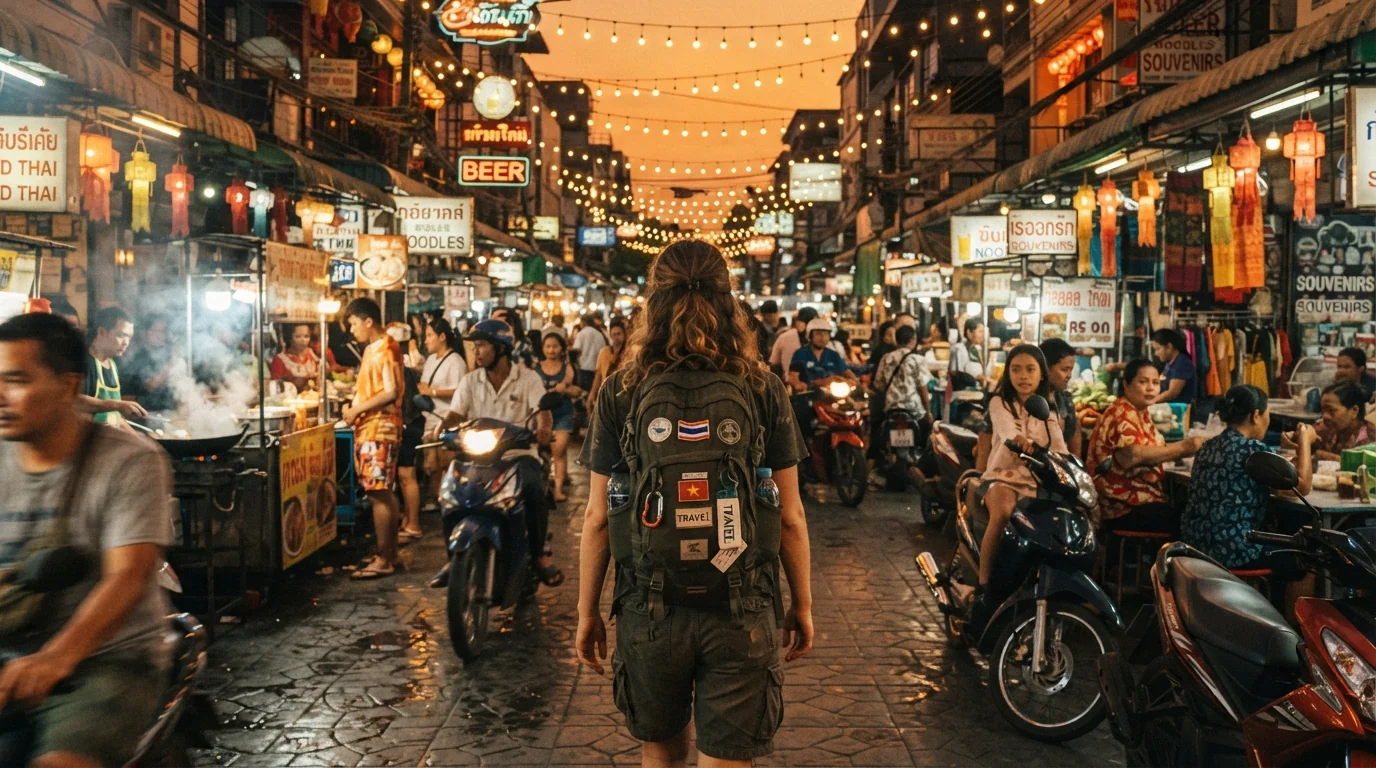
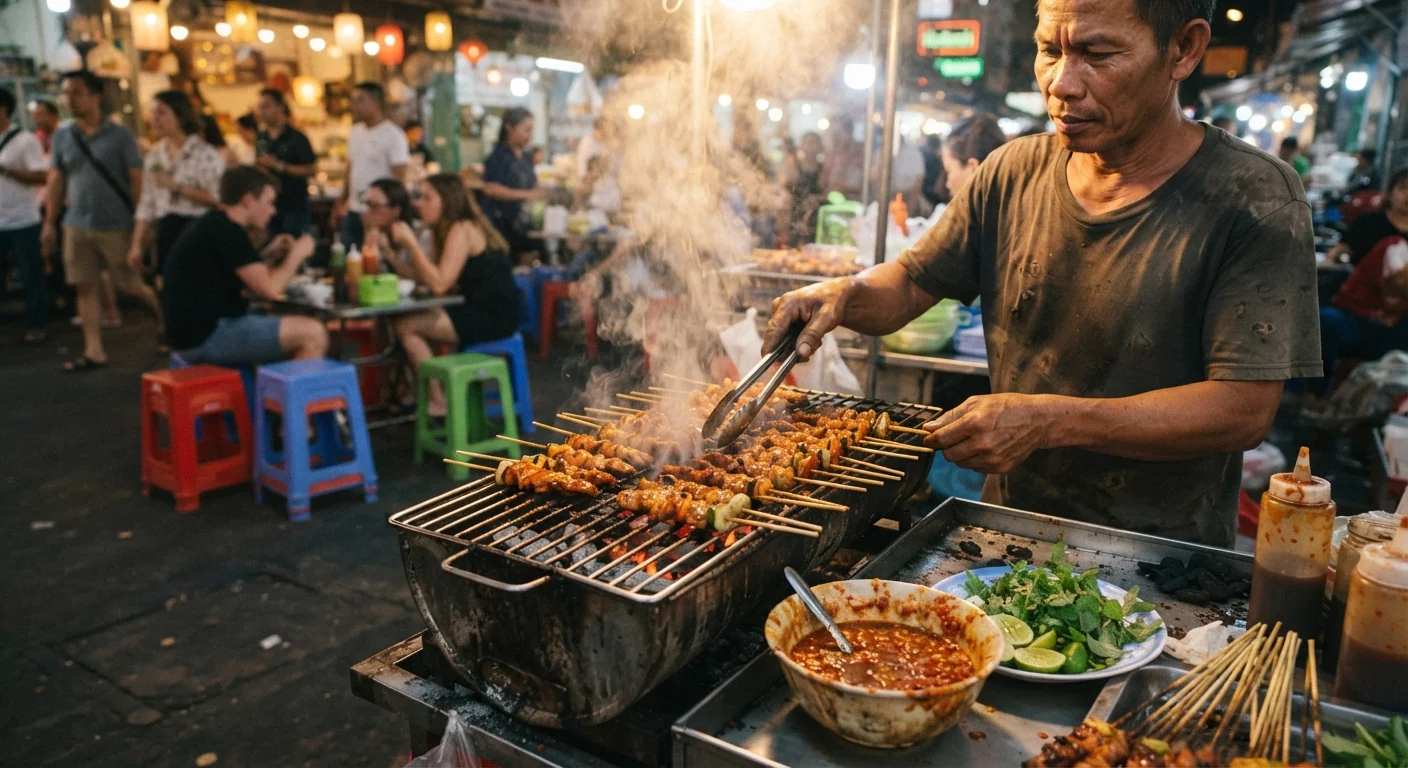
Street food across Southeast Asia is simultaneously one of the best travel experiences on offer and one of the most effective ways to keep a daily food budget genuinely low without sacrificing variety or quality. A single meal from a busy street cart, one clearly popular with local customers rather than tourists, frequently costs a fraction of what the same dish would run at a sit-down restaurant catering primarily to visitors. Choosing carts and stalls with visible turnover, meaning food that’s actually being cooked fresh and sold quickly, is both the safer and the more economical approach.
Building a rough daily food budget around two or three street meals, with maybe one slightly larger sit-down dinner every few days, keeps overall spending predictable without feeling restrictive at any single meal. This pattern also naturally leads to trying a wider range of local dishes than a backpacker sticking exclusively to tourist-area restaurants would ever encounter. Carrying small bills and coins specifically for street vendors avoids the common friction of a cart owner being unable to break a larger note during a busy lunch rush.
Flight Booking Timing
- Booking regional flights roughly six weeks ahead tends to catch the better fare windows.
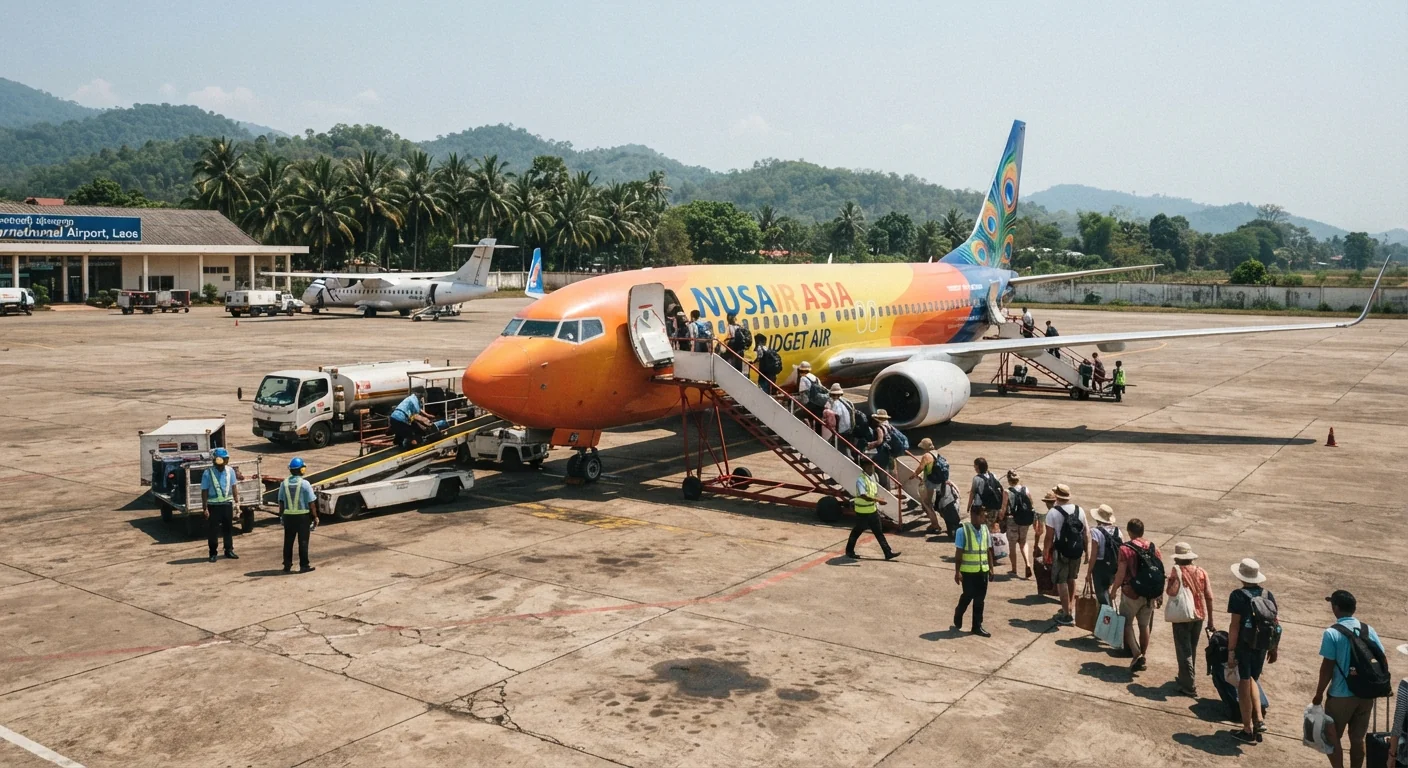
- Budget carriers like AirAsia, VietJet, and Scoot regularly undercut full-service airline pricing.
- Flexible date searches often reveal a noticeably cheaper departure just a day or two apart.
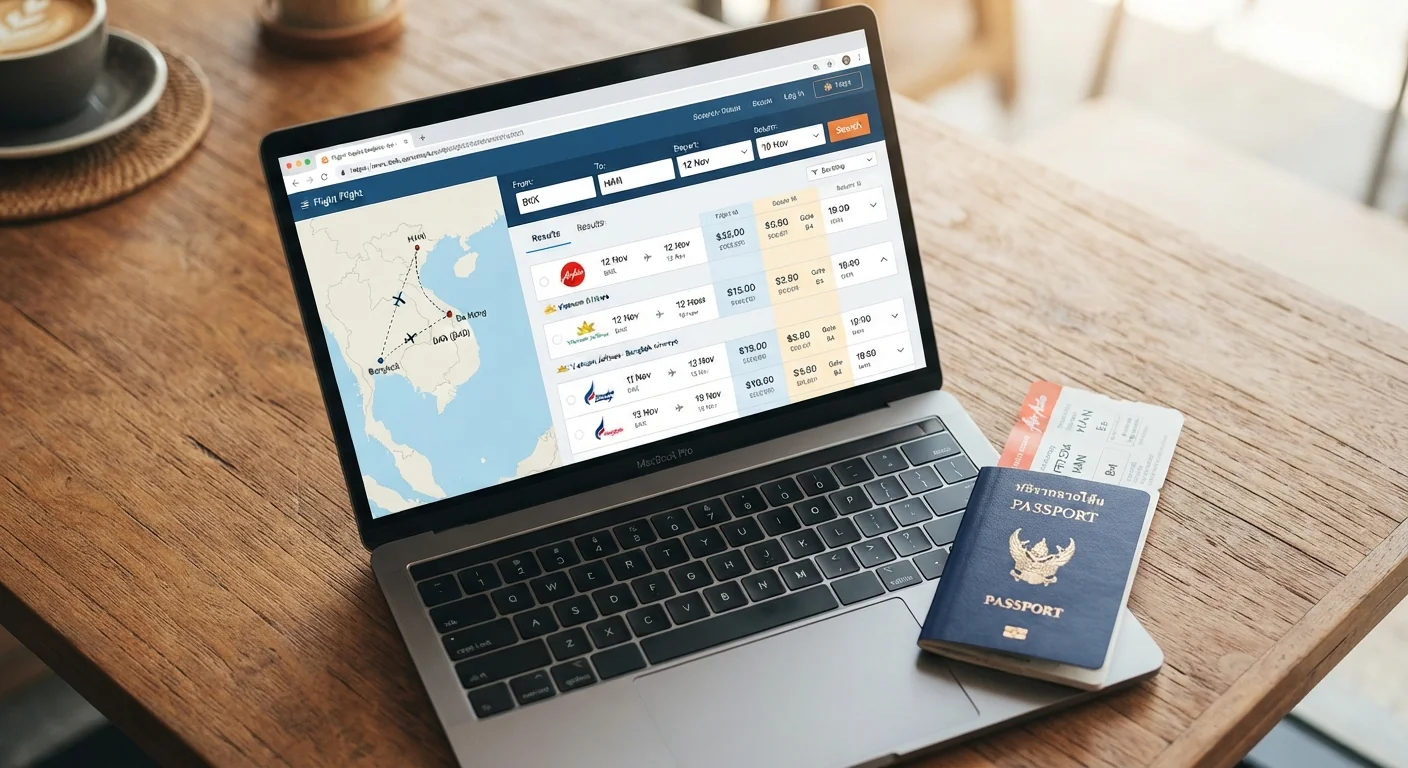
Flights between countries within the region are often cheaper than an overland bus or train covering the same distance, which surprises first-time backpackers who assume flying is automatically the more expensive option. Budget carriers operating throughout Southeast Asia price these short regional hops aggressively, and booking roughly six weeks ahead of the planned travel date tends to land within the better fare windows before prices climb closer to departure. Waiting until the last minute, hoping a discount will appear, usually backfires on these particular routes, since seats simply sell out and remaining fares climb steadily as the departure date approaches.
Comparing a flexible date range rather than searching one fixed day often reveals a meaningfully cheaper option just a day or two earlier or later than originally planned, especially on routes with several daily departures throughout the week. It’s also worth checking whether a budget airline charges separately for checked baggage, since a backpacker who forgets to account for this can end up paying nearly as much at the airport counter as the ticket itself originally cost, erasing most of the savings from booking the cheap fare in the first place.
Budget Airline Options
A handful of budget carriers, including AirAsia, VietJet, Scoot, and Cebu Pacific, cover most of the popular routes connecting major backpacker hubs across the region, and comparing across two or three of these before booking a single carrier’s fare is generally worth the extra few minutes of searching. These airlines operate on a genuinely different pricing model than full-service carriers, unbundling nearly every extra, from seat selection to baggage to meals, so the advertised base fare rarely reflects the actual total cost by the time everything needed for the trip gets added on at checkout.
Reading the fare rules carefully before confirming a booking avoids the common trap of a fare that looks cheap on the search results page but adds up once a checked bag and a reasonable seat get factored in properly. Some budget carriers also fly into secondary airports slightly outside a city center, which can mean an extra transport cost on either end of the flight that’s worth including in the overall price comparison rather than treated as a separate, unrelated expense that only becomes obvious once the trip is already fully underway.
Overnight Bus Travel
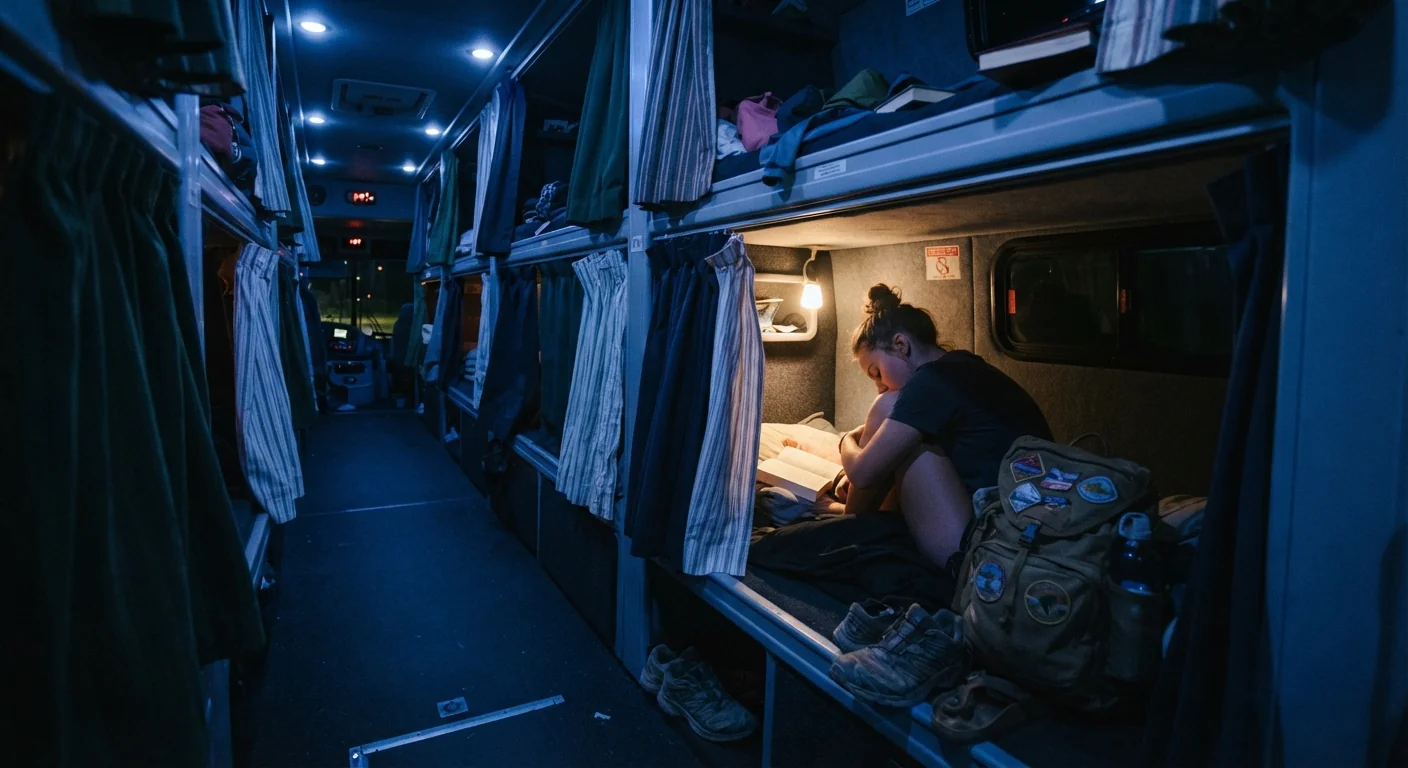
Overnight buses serve a genuinely practical double purpose on a budget backpacking route through the region, covering long distances between cities while simultaneously replacing what would otherwise be an additional night of paid accommodation somewhere along the way. Vietnam and Laos both operate extensive sleeper bus networks connecting major backpacker stops, with reclining bunk-style seats that make an overnight journey considerably more tolerable than a standard upright coach seat would be for six or eight hours on the road, and this combination of transport and lodging is a genuine budget advantage worth planning routes around.
Choosing a well-reviewed operator matters more on these routes than the price difference between companies might suggest, since a cheaper, less reliable bus company is more likely to run into mechanical delays or uncomfortable, overcrowded conditions partway through a long overnight journey. Packing a light layer or a small blanket is worth doing regardless of the outside temperature, since bus air conditioning on these routes tends to run noticeably colder than expected, and most operators don’t provide bedding beyond a thin pillow for the entire overnight journey between cities.
- Overnight sleeper buses save the cost of a hostel night while covering long distances.
- Vietnam and Laos both run extensive, reasonably comfortable sleeper bus networks.
- Booking through a reputable operator avoids the worst mechanical or safety issues on longer routes.
- Bringing a light blanket helps with the often aggressively cold air conditioning on board.
Tuk-Tuk Fare Negotiating
- Agreeing on a fare before getting in avoids disputes over the price at the destination.
- Asking a hostel staff member for a rough fair-price range helps set expectations beforehand.
- Ride-hailing apps, where available, often provide a more transparent, fixed-price alternative.
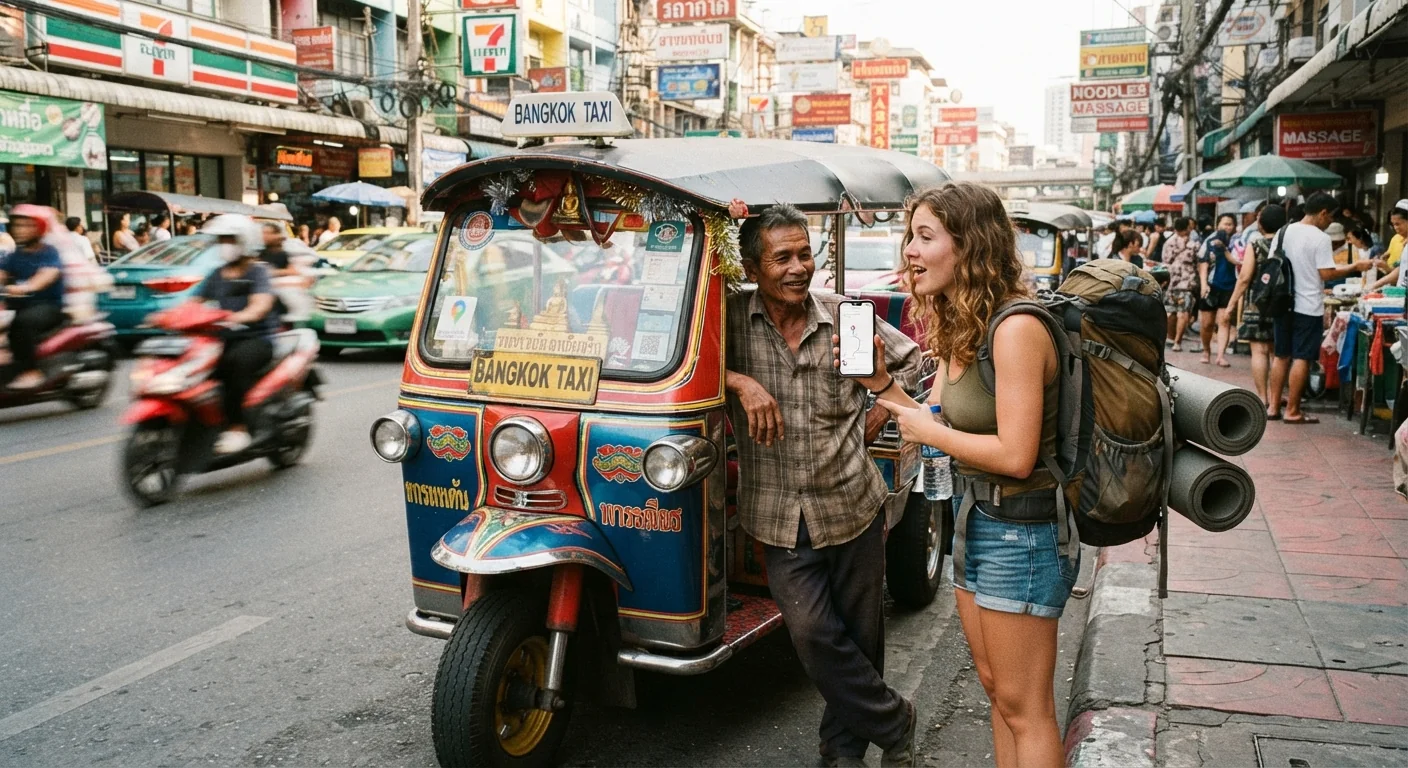
Tuk-tuks and similar three-wheeled taxis remain one of the most iconic ways to get around cities in Thailand and Cambodia, but fares are frequently negotiated rather than metered, which catches first-time visitors off guard more often than any other transport type on this entire list. Agreeing on a price clearly before getting in, rather than assuming a fair rate will simply be charged at the destination once the ride is already finished, avoids the vast majority of the disputes and inflated charges backpackers commonly report from this specific mode of transport across the region.
Asking hostel staff for a rough sense of what a fair fare looks like for a specific route provides a useful reference point before stepping outside to flag down a driver on a busy street corner. Where ride-hailing apps operate reliably, they generally offer a more transparent, fixed-price alternative that removes the negotiation step entirely, which can be worth the slightly higher fare for the added predictability alone, especially late at night, in an unfamiliar part of a city, or after a long day of sightseeing.
SIM Card Setup
- Airport SIM kiosks are convenient but often priced higher than shops in the city center.
- A regional eSIM can cover multiple countries without needing a physical card swap each border.
- Prepaid data plans across most of the region are inexpensive relative to Western pricing.
- Confirming coverage for planned rural or island stops avoids unexpected dead zones mid-trip.
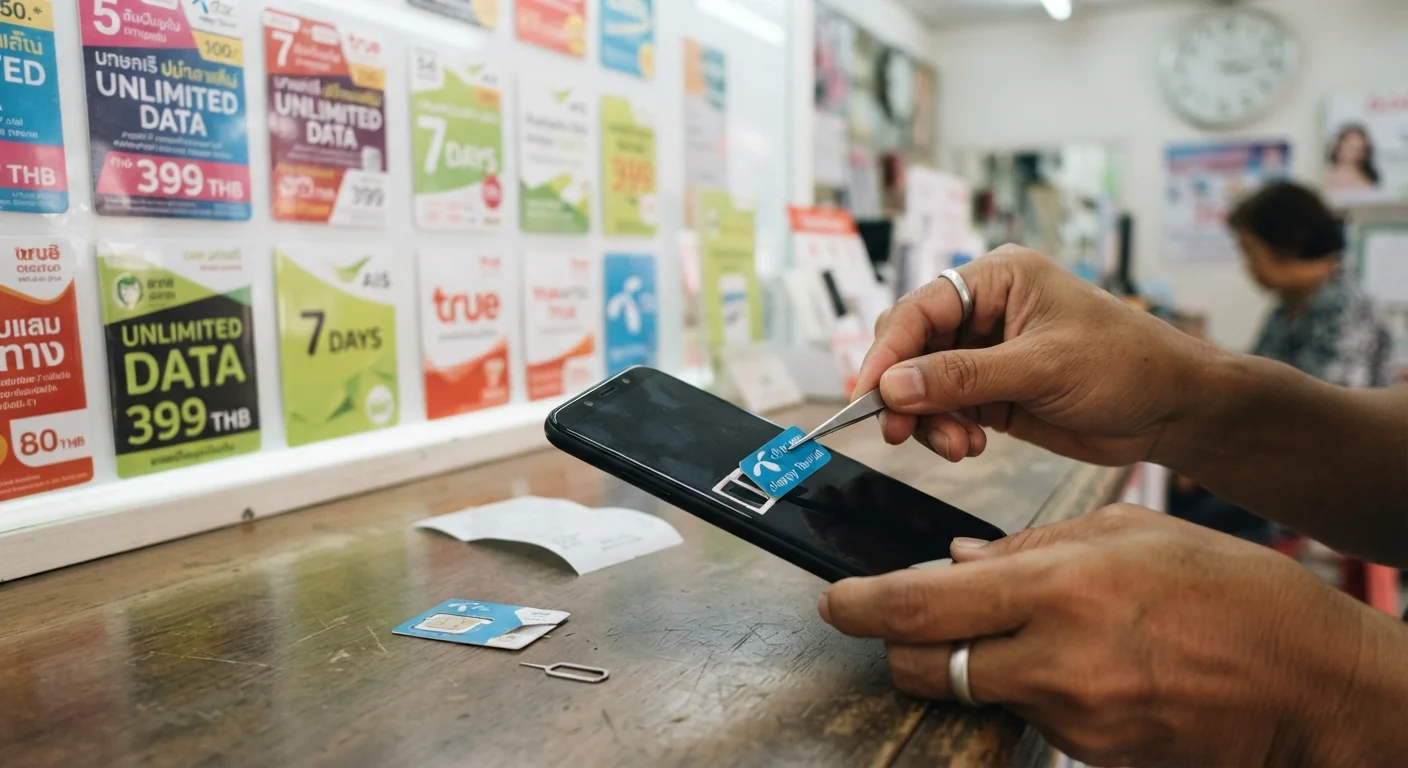
A working local SIM card or regional eSIM makes nearly every other item on this list easier to manage, from booking a ride-hailing app to checking a bus schedule to using maps in an unfamiliar city without relying entirely on unpredictable hostel WiFi that frequently drops out at the worst possible moment. Airport kiosks sell SIM cards immediately on arrival, which is convenient after a long flight, but they typically charge more than an equivalent shop found a short walk into the actual city center, once there’s time and energy to look around properly.
For a multi-country route, a regional eSIM plan that covers several destinations without needing a physical card swap at each border crossing tends to save both money and a genuine amount of hassle over the course of a longer trip through the region. Data pricing across most of the region remains inexpensive by international standards regardless of which option gets chosen, though it’s worth confirming coverage specifically for any planned rural areas or smaller islands, where signal can be noticeably weaker than in the larger, more developed cities.
Digital Arrival Cards
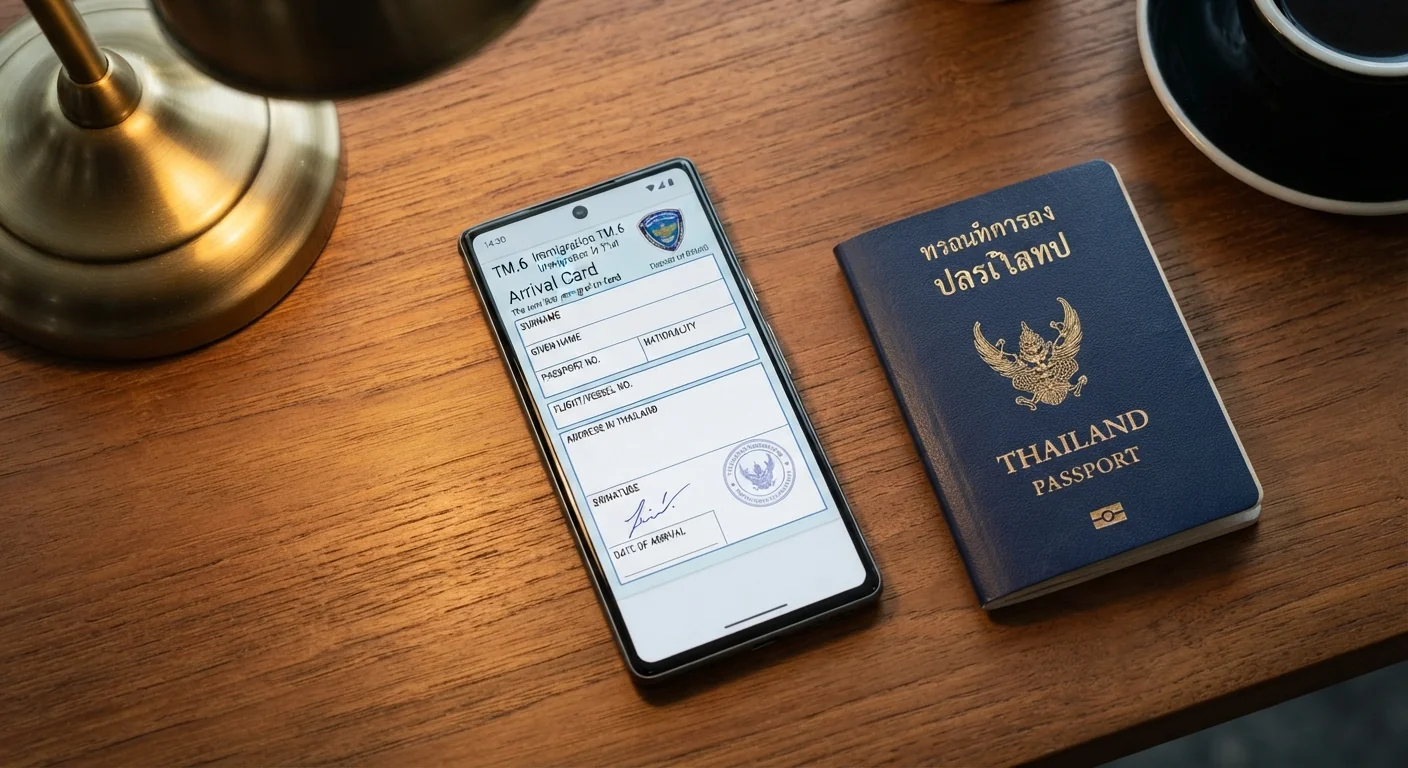
Several countries in the region have shifted entry paperwork online in recent years, and Thailand’s mandatory Digital Arrival Card is one of the more significant changes for backpackers to plan around before departure, since it’s easy to overlook while focused on flights and accommodation instead. Every foreign passport holder entering Thailand, whether by air, land, or sea, now needs to complete this form electronically within three days of arrival, and skipping it can cause delays at immigration that a tired traveler landing after a long flight would genuinely rather avoid entirely.
Thai immigration authorities have specifically warned travelers about fake websites designed to look official while charging unnecessary fees and collecting sensitive personal data during the registration process itself. The genuinely official registration site is https://tdac.immigration.go.th, and it’s worth bookmarking that exact address rather than searching and clicking the first result that appears, since scam versions have shown up ranking alongside it in search results. Cambodia runs a broadly similar e-Arrival system, and checking each planned country’s current entry requirements a week or two ahead avoids any last-minute surprises at the border.
- Thailand’s TDAC system requires online registration within three days of arrival.
- Cambodia’s e-Arrival platform similarly streamlines entry ahead of landing.
- Only the official government site should be used, since fake copycat sites do exist.
ATM Fee Avoidance
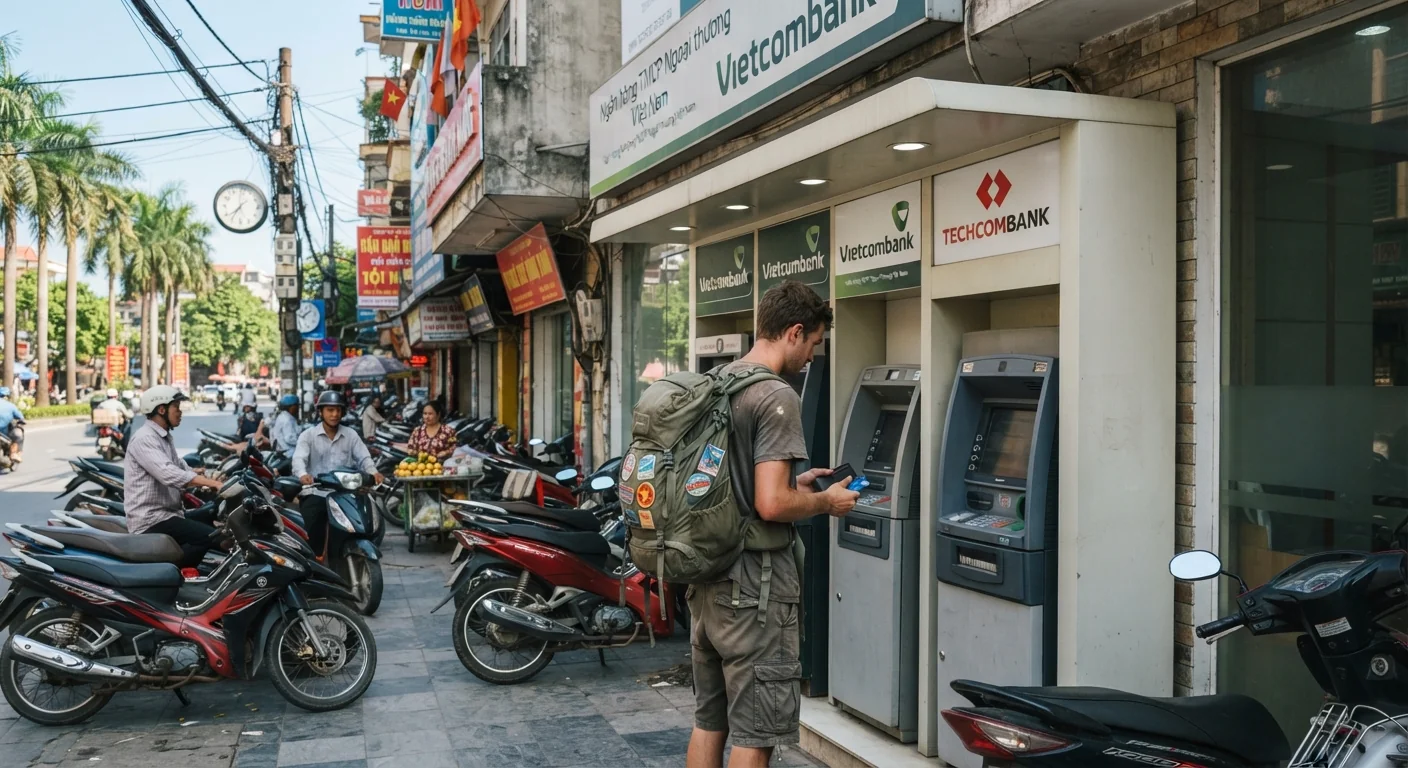
ATM withdrawal fees quietly drain more from a backpacking budget than most travelers realize until they actually sit down and add up their bank statements partway through a longer trip through the region. Many countries in the region charge a flat foreign transaction fee on top of whatever the home bank separately charges, and making several small withdrawals throughout a trip instead of a few larger ones multiplies that fixed fee unnecessarily across each additional transaction made along the way, which adds up more than it first appears.
Choosing a travel-friendly bank card that reimburses foreign ATM fees, a genuinely common feature among online-first banks now, removes one side of this cost entirely and is worth setting up before departure rather than scrambling to sort out mid-trip. Withdrawing larger sums less frequently, while still keeping enough cash on hand for safety and daily spending, reduces the number of fixed fees paid overall across the trip. It’s also worth declining the ATM’s own currency conversion prompt, since accepting it nearly always applies a worse exchange rate than the card network’s own conversion rate would.
Group Tour Discounts
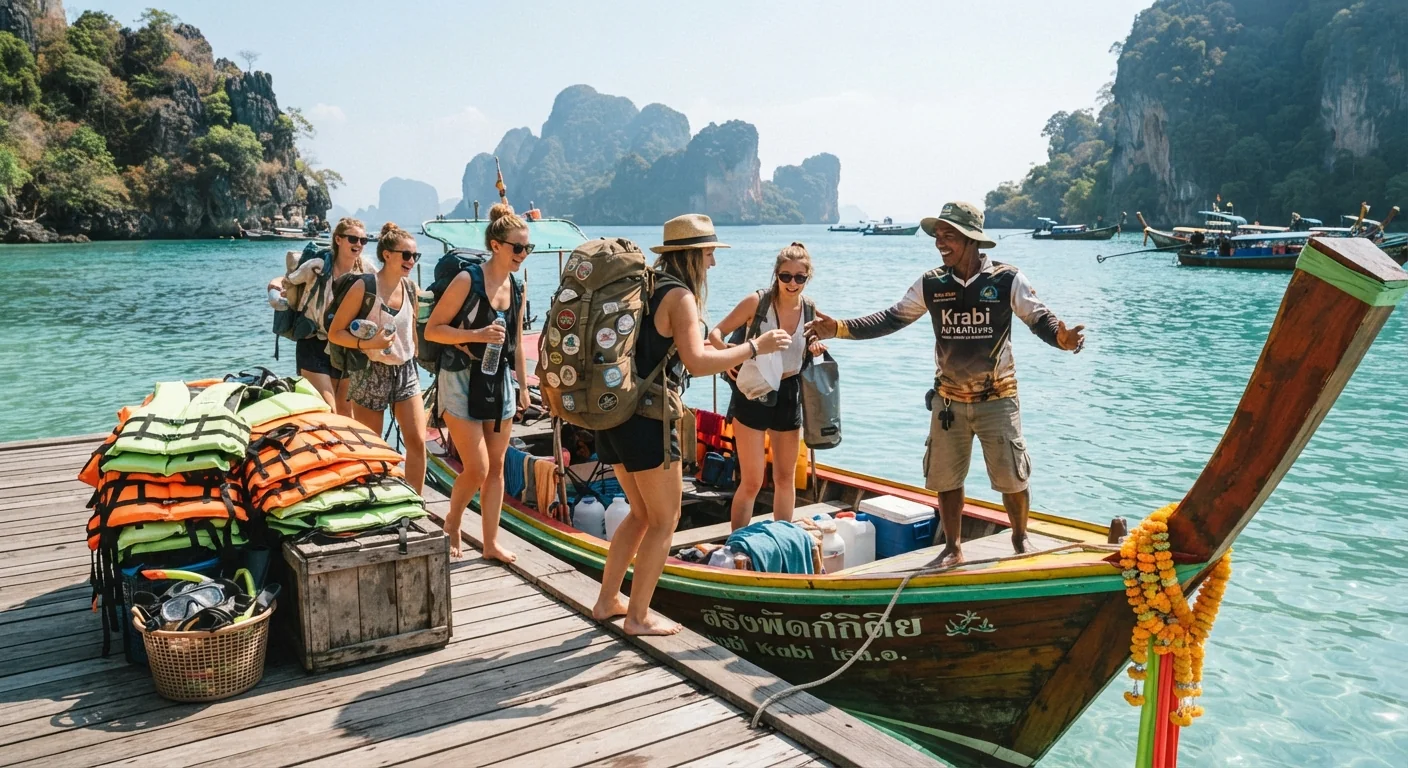
Day tours and activity bookings across the region frequently price more favorably per person once a small group signs up together rather than each traveler booking individually and separately through a tour desk or app. Hostels naturally function as an informal meeting point for this kind of coordination, since fellow guests heading in the same direction on a similar timeline are often happy to split a tour or a private driver, cutting the per-person cost noticeably compared to what either traveler would have paid booking entirely alone without asking around first.
This same logic extends beyond formal tours to shared transport more generally, where splitting a private car or boat among four or five travelers can end up cheaper per person than a seat on a larger scheduled group tour, while also allowing considerably more flexibility over the day’s actual schedule and stops along the route. Asking at the hostel front desk or checking a shared group chat, where one exists, is usually enough to find others interested in splitting a specific activity, driver, or full-day route through the area.
- Group bookings for day tours often unlock a per-person discount not offered to solo travelers.
- Hostel bulletin boards or group chats are a common place to find others heading the same direction.
- Splitting a private driver among four or five people can undercut a solo group-tour ticket.
Cambodia Cost Zones
Cambodia consistently sits toward the more affordable end of the regional spectrum, and that affordability extends across accommodation, food, and most activities outside of the major temple entrance fees around Siem Reap, which remain the one clear exception to the country’s overall low cost of travel. Daily costs in smaller towns and rural areas run noticeably lower than in the more established tourist circuits, and travelers willing to spend a few extra days outside the most-visited spots often find their overall budget stretching considerably further than expected for the region as a whole.
The Angkor Wat entrance pass is one of the few genuinely significant single expenses in the country, and planning the visit carefully, deciding between a one-day, three-day, or seven-day pass based on actual interest level, avoids overpaying for access that won’t get fully used during the visit anyway. Outside of that one major cost, Cambodia’s overall affordability makes it a natural place to spend a few extra slow days on a tight route, recovering some budget before moving into a noticeably pricier country next on the itinerary.

Thailand Daily Costs
- Chiang Mai and other northern cities generally cost less than Bangkok or the southern islands.
- Island destinations carry a noticeable price premium on accommodation, food, and transport alike.
- Shoulder-season travel in Thailand often brings meaningfully lower accommodation rates.
- Local transport apps tend to offer more transparent, often cheaper fares than street-hailed rides.
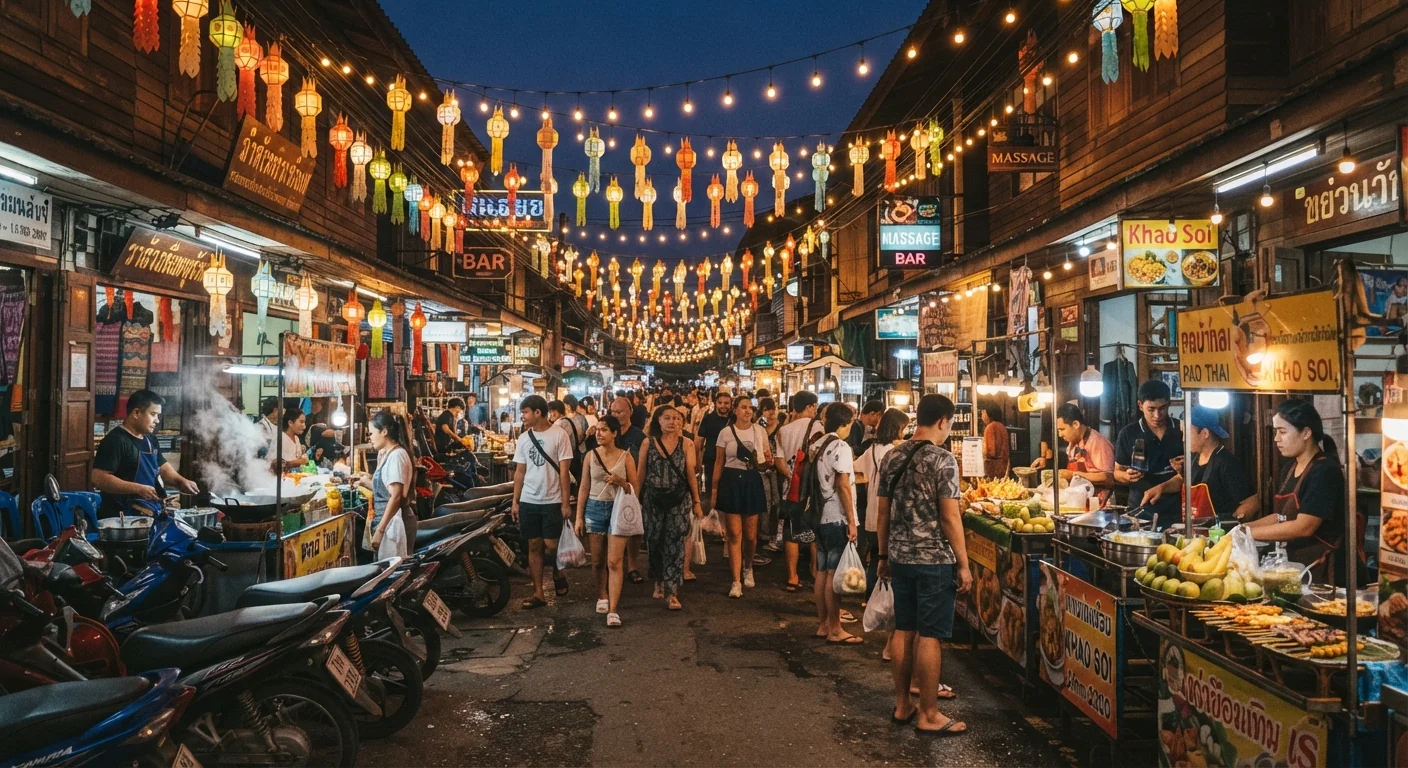
Thailand’s reputation as an affordable destination holds up well in cities like Chiang Mai, but costs climb noticeably once a route shifts toward Bangkok’s more central districts or the popular southern islands, where accommodation and food both carry a real tourist-area premium built into nearly every price seen on a menu or a booking site. Treating Thailand as a single flat-cost country tends to produce budget surprises once an itinerary moves between these different regions, since the price difference between a northern guesthouse and an island bungalow can be substantial for genuinely comparable quality and comfort.
Shoulder season, generally the months just before or after the peak tourist rush, tends to bring meaningfully lower accommodation rates across most of the country without much tradeoff in weather or accessibility for the traveler booking during that window. Local ride-hailing apps have also become widely available in Thailand’s major cities, and they generally offer more transparent, often cheaper fares than negotiating directly with a street-hailed tuk-tuk or taxi, particularly for a visitor who is still getting a feel for what a fair local price actually looks like.
Vietnam Budget Routes
Vietnam’s long, narrow shape makes the classic north-to-south or south-to-north overland route a natural fit for budget travel, since sleeper buses and trains connect nearly every major stop along the way without requiring an internal flight at each individual leg of the journey. Breaking the country into smaller overland segments, rather than flying between every city on the itinerary, keeps transport costs low while also giving a much closer look at the countryside between the well-known stops most travelers already have on their list before arriving.
Street food throughout Vietnam remains genuinely inexpensive even in the larger cities, and the overland route naturally builds in enough travel days that accommodation costs stay manageable without needing to rush through any single stop along the way. Travelers following this classic route often find that the overnight buses and trains double as transport and lodging on the very same night, which is one of the more efficient budget strategies available anywhere in the region for covering serious distance affordably without sacrificing much comfort or flexibility.
Packing Light Essentials
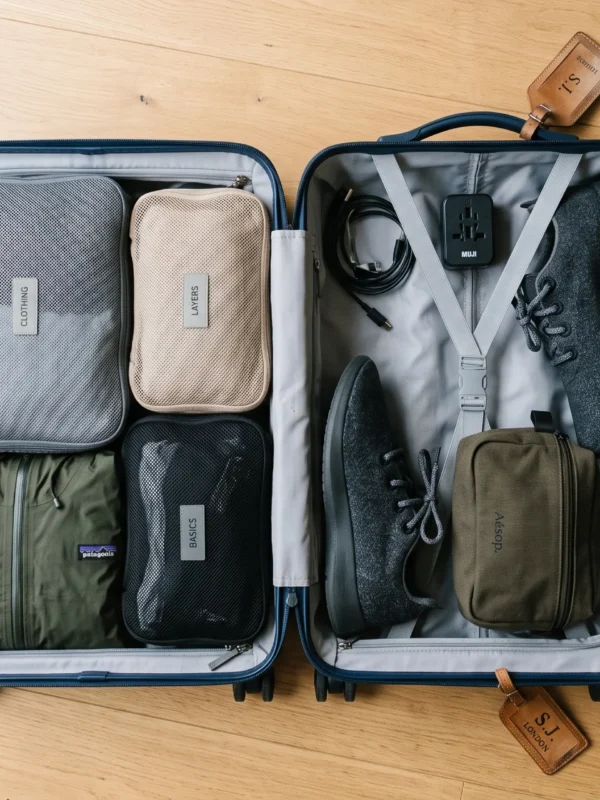
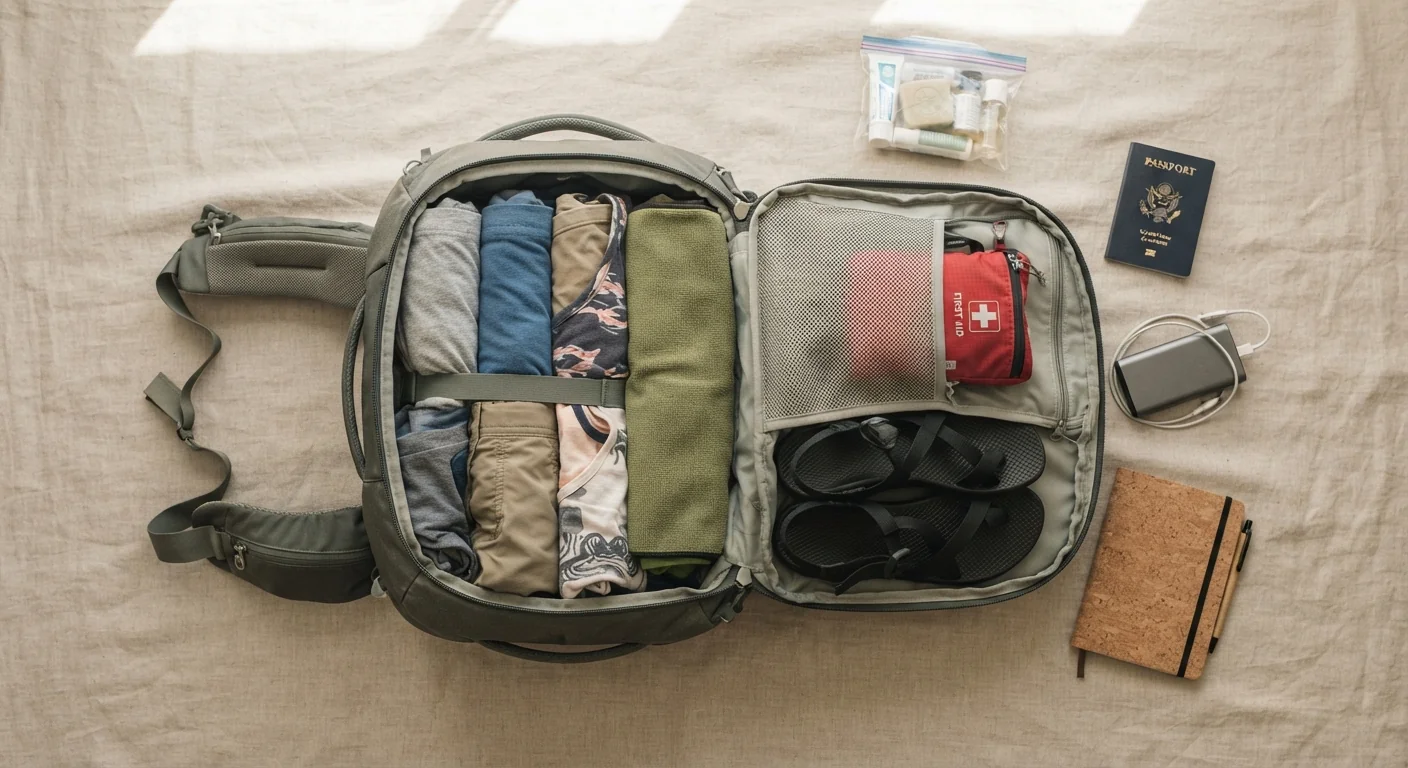
Packing light does more than make walking between hostels easier, it directly protects the travel budget by avoiding checked baggage fees on nearly every regional budget flight, which can otherwise erase a meaningful chunk of the savings from booking a cheap fare in the first place. A single carry-on-sized backpack, generally around 40 liters, comfortably fits everything needed for weeks of travel once the packing list favors versatile, quick-dry clothing over bulkier cotton items that take far longer to dry between wears in a humid climate.
A dry bag earns its place for boat trips, waterfall hikes, or the region’s frequent sudden downpours, protecting phones and cameras without needing a full dedicated camera bag taking up extra space inside an already tight pack. Fewer, more versatile clothing pieces also reduce daily decision fatigue over what to wear, which sounds minor on paper but genuinely matters over weeks of continuous travel. A compact first-aid kit covering basic cuts, stomach issues, and headaches avoids an unnecessary pharmacy stop for something easily prepared for in advance instead.
- A single 40-liter backpack avoids checked baggage fees on nearly every budget airline route.
- Quick-dry fabrics handle the region’s humidity and frequent laundry cycles far better than cotton.
- A dry bag protects electronics on boat trips, waterfall hikes, or unexpected downpours.
- Packing fewer, more versatile pieces reduces both bag weight and daily decision fatigue.
- A basic first-aid kit covers most minor issues without needing a pharmacy run mid-trip.
Travel Insurance Basics
- Coverage for motorbike accidents specifically is worth confirming, since many policies exclude it.
- Adventure activities like scuba diving or trekking sometimes need an added coverage rider.
- Comparing two or three providers usually reveals meaningfully different pricing for similar coverage.
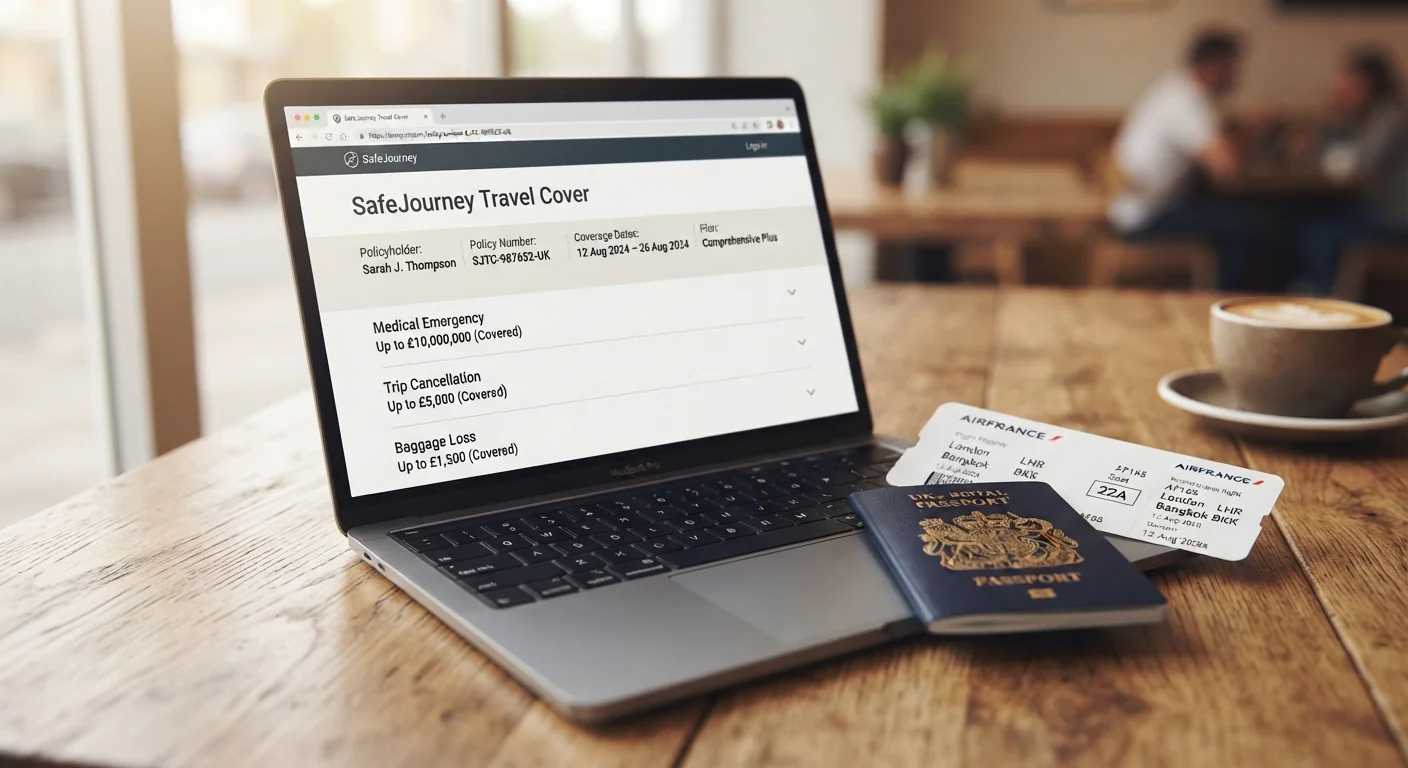
Travel insurance is easy to skip when a trip is being planned on a tight budget, but it’s one of the few items on this list where skipping it can turn a minor incident into a genuinely serious financial problem partway through a long backpacking route through the region. Motorbike accidents are common enough across the region that many standard policies specifically exclude coverage for them unless a rider actively adds it, which makes reading the fine print worth the extra ten minutes before purchasing any policy at all.
Adventure activities popular throughout the region, scuba diving, trekking, or certain water sports, sometimes require an added coverage rider beyond a policy’s basic package, so checking the planned itinerary against what’s actually covered avoids an unpleasant surprise later on in the trip. Comparing two or three insurance providers before buying usually reveals a meaningful price difference for broadly similar coverage, and the modest cost of a solid policy is genuinely small relative to what a hospital visit or an emergency flight home would actually cost without it.
Common Overspending Mistakes
Most people assume the biggest budget risk on a Southeast Asia trip is a single large purchase, but the actual overspending pattern is usually smaller and considerably more repetitive than that across a longer trip. Daily convenience purchases, a taxi instead of a shared ride, a Western-style cafe instead of a local stall, an unplanned tour booked on impulse after a good sales pitch, add up quietly over weeks in a way that a single big-ticket item rarely does entirely on its own without warning.
Tracking spending loosely, even just a rough daily total jotted down in a phone notes app each evening, catches this pattern early enough to adjust before it becomes a real problem toward the end of a longer trip. Contrary to what a lot of pre-trip advice tends to suggest, the fix usually isn’t cutting out fun activities entirely, but noticing which small daily habits are quietly costing more than they’re worth and adjusting just those specific choices rather than overhauling the whole budget at once.

Slow Travel Savings
Moving quickly between destinations feels efficient, but it’s one of the more expensive ways to travel through the region, since every additional transport day adds both a direct transport cost and an indirect cost in wasted time that could otherwise go toward finding cheaper food and accommodation once settled somewhere for a bit longer. Many guesthouses and hostels offer a discounted weekly or monthly rate that isn’t advertised upfront on the booking page, and it’s often worth simply asking directly at the front desk whether a longer stay unlocks a better nightly price.
A slower pace also naturally shifts spending patterns in a budget-friendly direction, since travelers who stay somewhere for several days tend to discover local, lower-cost food options that a one-night visitor passing through would likely miss entirely on a rushed schedule. Building in a few longer stays across an itinerary, rather than treating every stop as a rushed one or two nights, both reduces total transport costs and gives a more genuine sense of a place beyond its most obvious, most heavily marketed tourist attractions and photo spots.
- Longer stays often unlock a discounted weekly or monthly accommodation rate.
- Fewer transport days directly reduce the total spent on buses, trains, and flights.
- A slower pace naturally leads to more local, lower-cost meals over rushed tourist-area dining.
- Settling into one place longer builds enough local knowledge to skip overpriced tourist traps.

Emergency Cash Reserve
- A reserve equal to roughly one week of budget covers most realistic emergencies.
- Splitting the reserve between a money belt and a separate bag reduces total-loss risk.
- This fund should stay untouched for anything beyond a genuine, unplanned emergency.
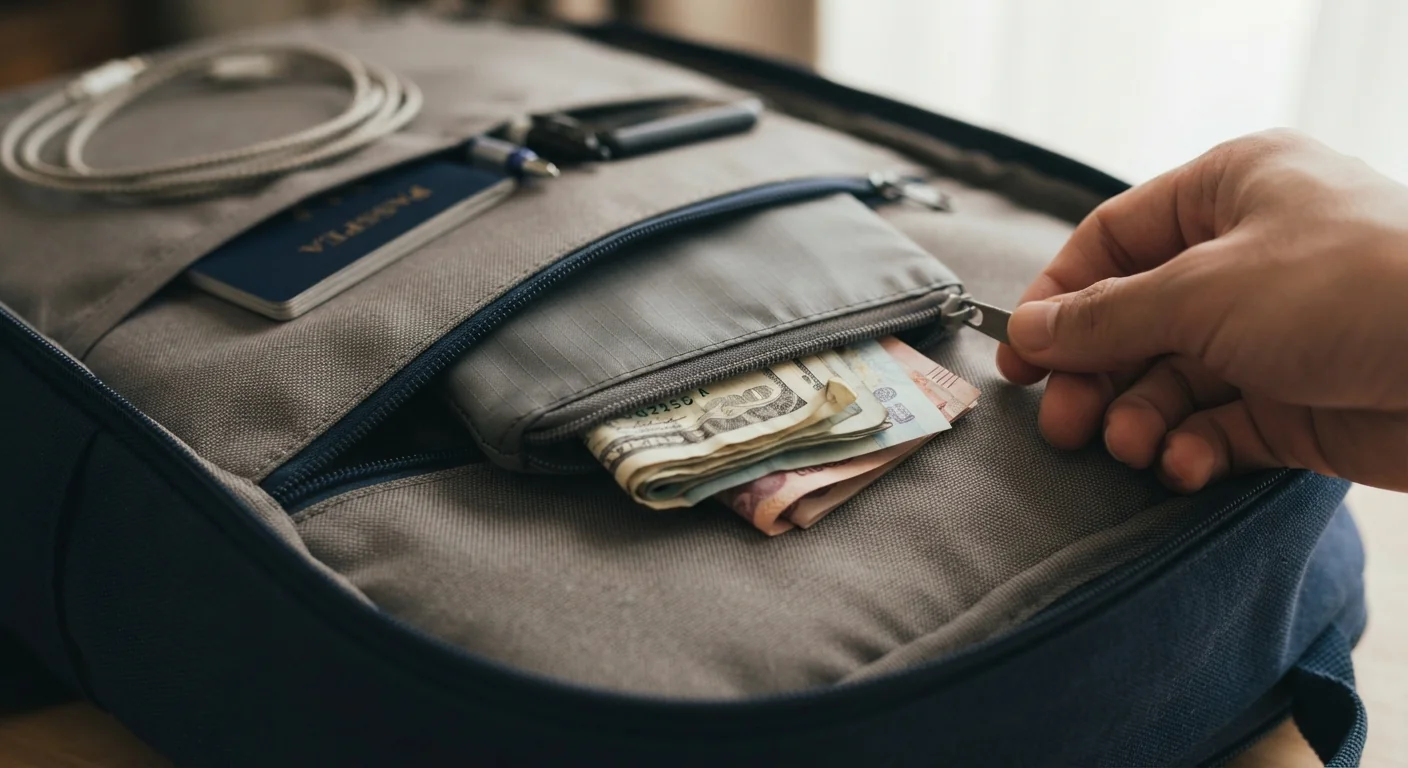
Setting aside a dedicated emergency cash reserve before departure, and treating it as genuinely off-limits for anything short of a real emergency, is one of the simplest safeguards on this entire list and one of the easiest to actually follow through on. A missed flight, an unexpected medical cost not fully covered by insurance, or a lost card requiring a replacement can all happen on a long trip, and having roughly a week’s worth of budget set aside separately removes the panic of scrambling to cover an unplanned cost while already traveling far from home.
Splitting this reserve between a money belt worn under clothing and a separate hidden pocket in a main bag reduces the risk of losing the entire fund to a single theft or misplaced bag somewhere along the route. This isn’t money meant to fund an extra activity or a nicer meal partway through the trip, however tempting that might be in the moment after a long travel day, since its entire value depends on it still being there, untouched, the one time it’s actually needed for something genuinely unplanned and urgent.
FAQ
Is Southeast Asia still cheap to backpack in 2026?
Yes, though costs vary significantly by country and region. Cambodia, Laos, and rural Vietnam remain genuinely affordable, while Thailand’s islands, Bali, and Malaysia’s cities run noticeably higher. Building a per-country budget rather than one flat regional number, as covered in the Daily Budget Breakdown section above, gives a far more accurate total than assuming a single average rate applies everywhere.
How much cash should I carry versus using cards?
A mix works best. Cards handle larger ATM withdrawals and online bookings, while cash covers street food, tuk-tuks, and smaller vendors who often can’t process cards at all. Keeping small bills specifically for daily transactions avoids the common problem of a vendor being unable to break a large note.
What’s the biggest mistake first-time backpackers make in this region?
Underestimating how much small, repeated daily spending adds up compared to one big purchase, as covered in the Common Overspending Mistakes section. A second common mistake is skipping travel insurance to save money upfront, which can turn a minor accident into a serious financial setback partway through the trip.
Do I need to book everything in advance?
Not everything, but a few key items benefit from advance planning: entry paperwork like Thailand’s digital arrival card, popular hostels during peak season, and regional flights booked roughly six weeks out for better pricing. Day-to-day activities and shorter bus routes can generally be arranged just a day or two ahead without issue.
Is it safe to travel on this tight of a budget?
A tight budget doesn’t have to mean an unsafe one. Travel insurance, a properly stocked first-aid kit, and an untouched emergency cash reserve, all covered above, are the specific safeguards worth prioritizing regardless of how tight the overall daily budget is set.
Conclusion
Backpacking Southeast Asia on a real budget comes down to a series of small, repeatable habits rather than one dramatic money-saving trick. Knowing realistic daily costs by country, choosing overland transport over flights where it makes sense, and keeping an emergency cash reserve untouched all add up to a trip that lasts as long as it’s meant to. Save these 19 budget travel tips to Pinterest before booking anything, try building a rough daily budget using the numbers above, and share this with anyone else planning their first long trip through the region.